23 Reasons Why Small Dogs Are Better Than Big Dogs
When it comes to choosing a canine companion, size does matter—but maybe not in the way you’d think.
While big dogs have their undeniable charm, small dogs often offer a surprising list of advantages that make life a whole lot easier (and cuter).
Whether you live in a compact apartment or simply prefer less drool on your pants, there’s a long list of reasons why tiny pups can steal the show.
From cost savings to convenience, from health perks to personality traits, small dogs punch way above their weight. This list breaks down exactly why downsizing your dog might just be the smartest (and snuggliest) decision you ever make.
1. Easier to Travel With
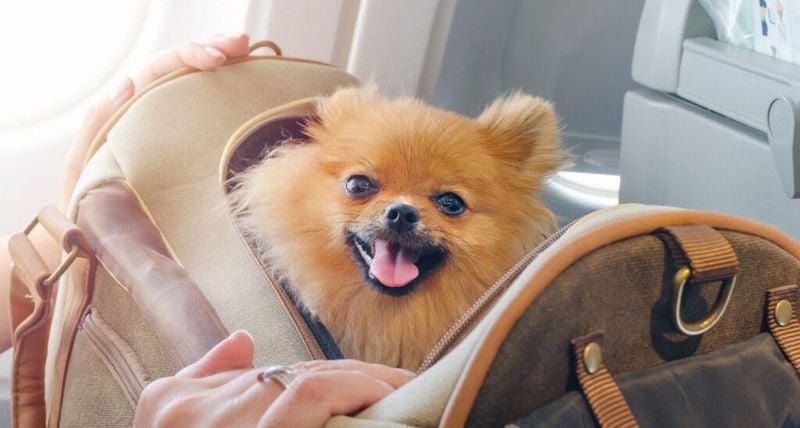
Navigating airports, public transport, or hotel policies is a breeze when your dog can fit in a travel bag. Small breeds are often approved for in-cabin airline travel, meaning you can keep them with you instead of checking them in cargo.
That portability also makes road trips more comfortable. There’s no need to make room for a massive crate in the backseat or dedicate an entire suitcase to dog gear. Everything scales down—including their leash, food, and toys.
Plus, many hotels and rentals have fewer restrictions for small dogs. Some even allow them for free while charging extra for larger breeds. In short, a small dog is your ultimate carry-on companion.
2. Lower Food Costs
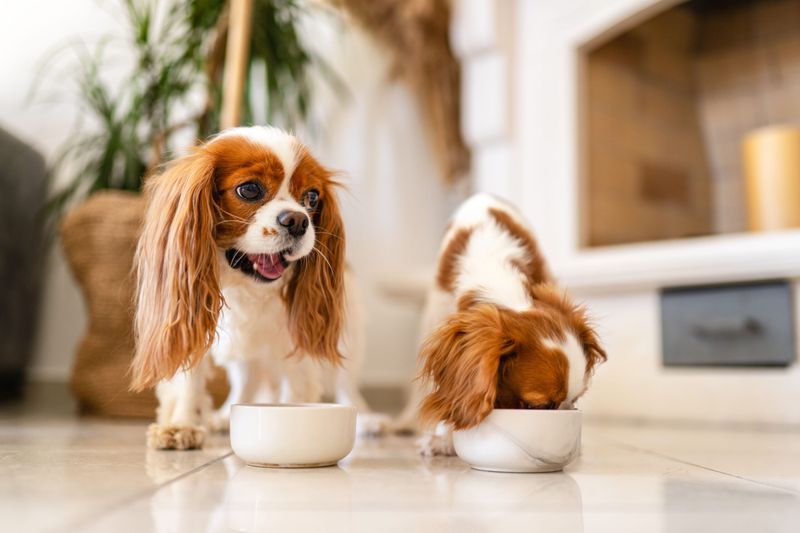
Feeding a Chihuahua is a far cry from feeding a Great Dane—literally and financially. Tiny stomachs mean smaller portions, which leads to dramatically lower grocery bills over the years.
It’s not just about kibble, either. Treats, supplements, and special diets are all sold in sizes that last longer when your dog weighs under 20 pounds. That bag of food that might feed a large dog for two weeks could last a small dog two months or more.
And if your pup ever needs a prescription diet, smaller servings again work in your favor. You’ll stretch your dollar farther without sacrificing quality, making it easier to invest in higher-end, health-conscious options.
3. Take Up Less Space
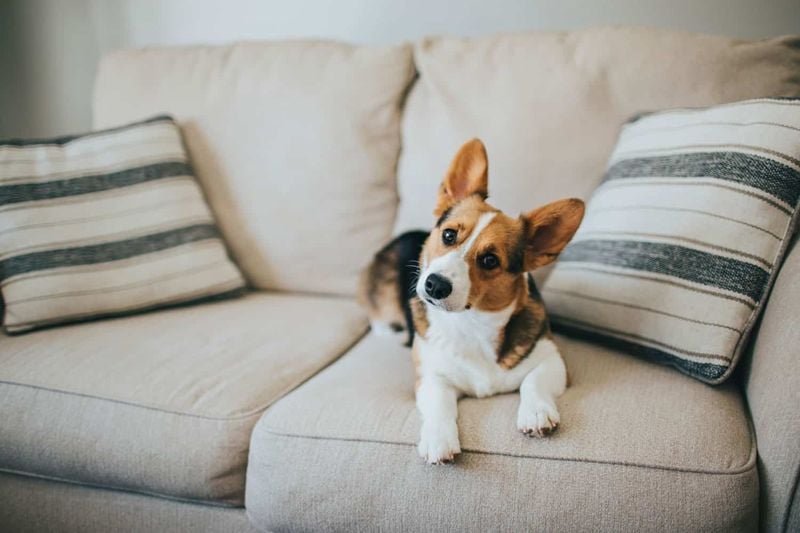
Living with a small dog means you don’t have to rearrange your furniture just to make space for them. They curl up into tiny balls on your couch, sneak into the smallest corners of your bed, and often make do with the tiniest dog beds imaginable.
Apartment dwellers especially benefit from this trait. You don’t need a big yard or a sprawling floor plan to give a small dog the space they need to thrive. A modest studio is often more than enough.
Even in homes with more room, it’s nice to know your dog won’t bulldoze the coffee table just walking by. Small dogs give you your space—without asking for much in return.
4. Easier to Bathe

Washing a small dog feels more like rinsing off a teddy bear than tackling a wild animal. You can often bathe them right in your kitchen sink, which eliminates the need for back-breaking tub scrubbing or pricey groomer visits.
They’re easier to hold still, faster to rinse, and require far less shampoo. The whole process takes a fraction of the time you’d spend scrubbing a large, heavy coat.
Drying them is also a breeze. A towel and a few minutes under a hairdryer usually do the trick—no industrial-strength blowers required. Bath time becomes less of a chore and more of a bonding experience.
5. Less Risk of Accidental Injury
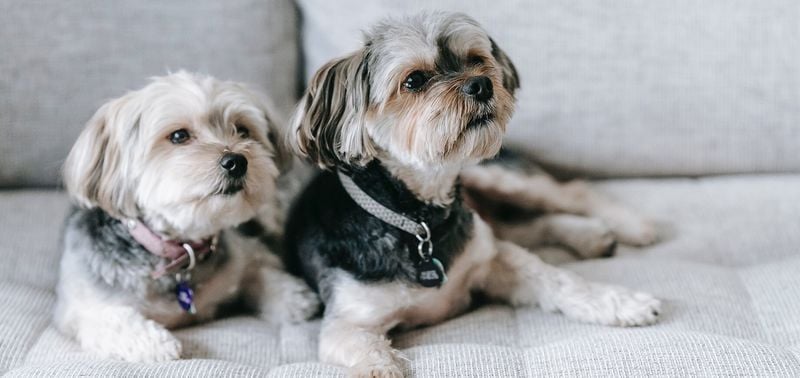
When your dog weighs 10 pounds or less, there’s less chance of them causing serious accidents just by moving around. Big dogs can knock over children, elderly relatives, or even you when they get too excited.
Small dogs are more manageable on walks and rarely overpower their handlers. If they jump up to greet someone, it’s more likely to be adorable than alarming.
Even during playtime, their lighter frame makes them easier to redirect if they get too rambunctious. They simply don’t have the physical heft to unintentionally cause harm in the way large dogs sometimes do.
6. Longer Lifespan
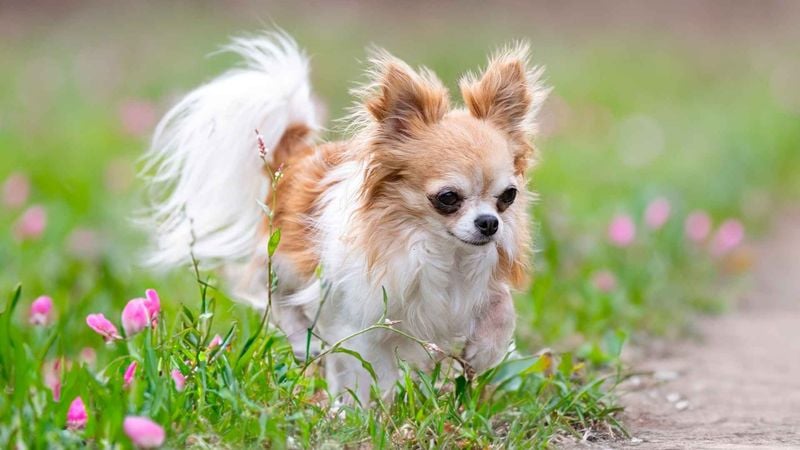
Smaller breeds often outlive their larger counterparts by several years. It’s not uncommon for a tiny terrier to reach 15 or even 18 years of age, while many big dogs struggle to reach their tenth birthday.
This extended lifespan means more time to bond, more shared memories, and a longer window to enjoy the special relationship you build with your pet.
While no dog lives forever, having a few extra years together can make a huge emotional difference. If longevity is a priority, a small dog offers the best odds for a long and loving life.
7. Lower Medical Costs
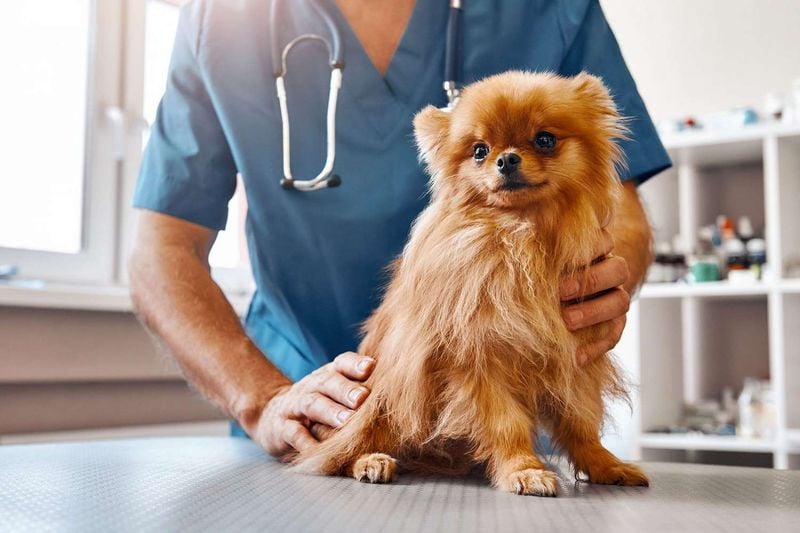
Veterinary bills can add up quickly, but size plays a surprising role in the total cost. Smaller dogs often require lower doses of medication, whether it’s antibiotics, flea treatments, or anesthetics.
Even routine procedures like spaying or neutering tend to be less expensive due to the smaller body mass and lower complexity. Surgeries, X-rays, and other diagnostics often follow the same trend.
Insurance premiums can also be lower for small dogs, simply because they present fewer health risks and live longer on average. Over a lifetime, the medical savings are hard to ignore—and definitely in your wallet’s favor.
8. More Welcome in Rentals
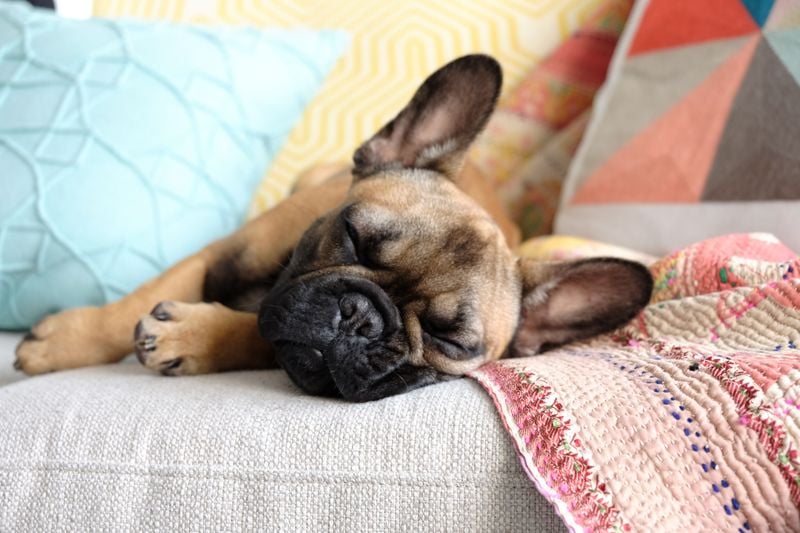
Landlords often hesitate to allow dogs at all—but when they do, it’s usually small breeds that make the cut. Many apartment complexes place strict weight limits, typically excluding larger dogs altogether.
Even when pets are allowed, size can influence your security deposit or monthly pet rent. Small dogs may incur lower fees or be exempt from restrictions entirely.
Their quieter steps, lower risk of damage, and reduced space needs make them more appealing to property owners. If you’re a renter who doesn’t want to limit your housing options, choosing a small dog opens far more doors—literally.
9. Less Drool and Shedding
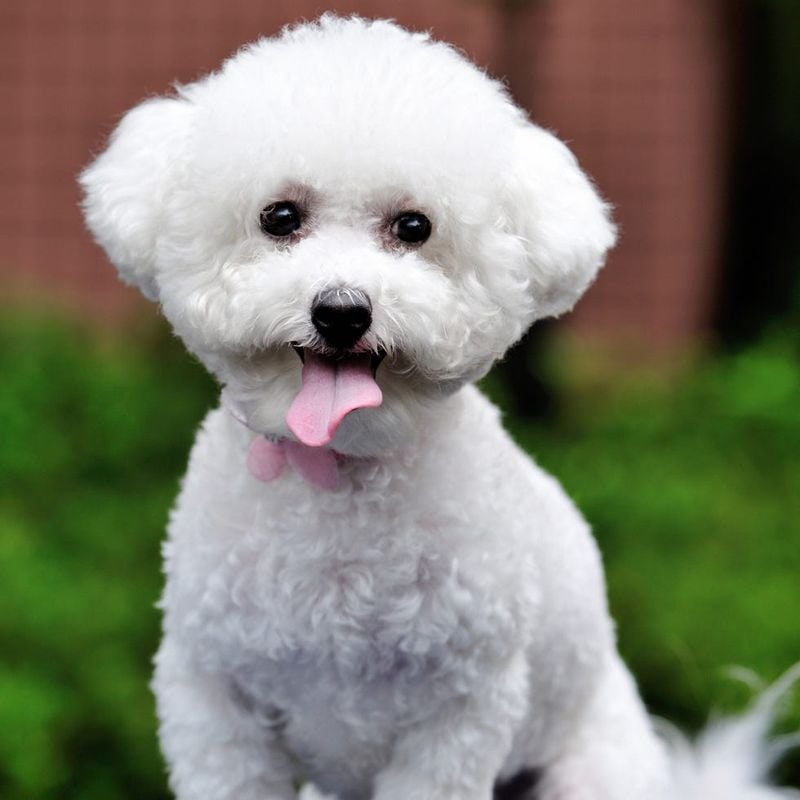
Big dogs tend to come with big messes—especially when it comes to fur and slobber. Small dogs, particularly non-shedding breeds, leave much less hair on your couch, clothes, and carpet.
Many smaller breeds are also not known for excessive drooling. Unlike their larger, jowly cousins, they’re less likely to leave trails of slobber on your walls, windows, and guests’ legs.
This makes for a cleaner home environment with fewer lint roller emergencies and less time spent vacuuming. Your furniture, wardrobe, and nose will all thank you when cleanup becomes an occasional task rather than a daily necessity.
10. Easier to Pick Up and Carry
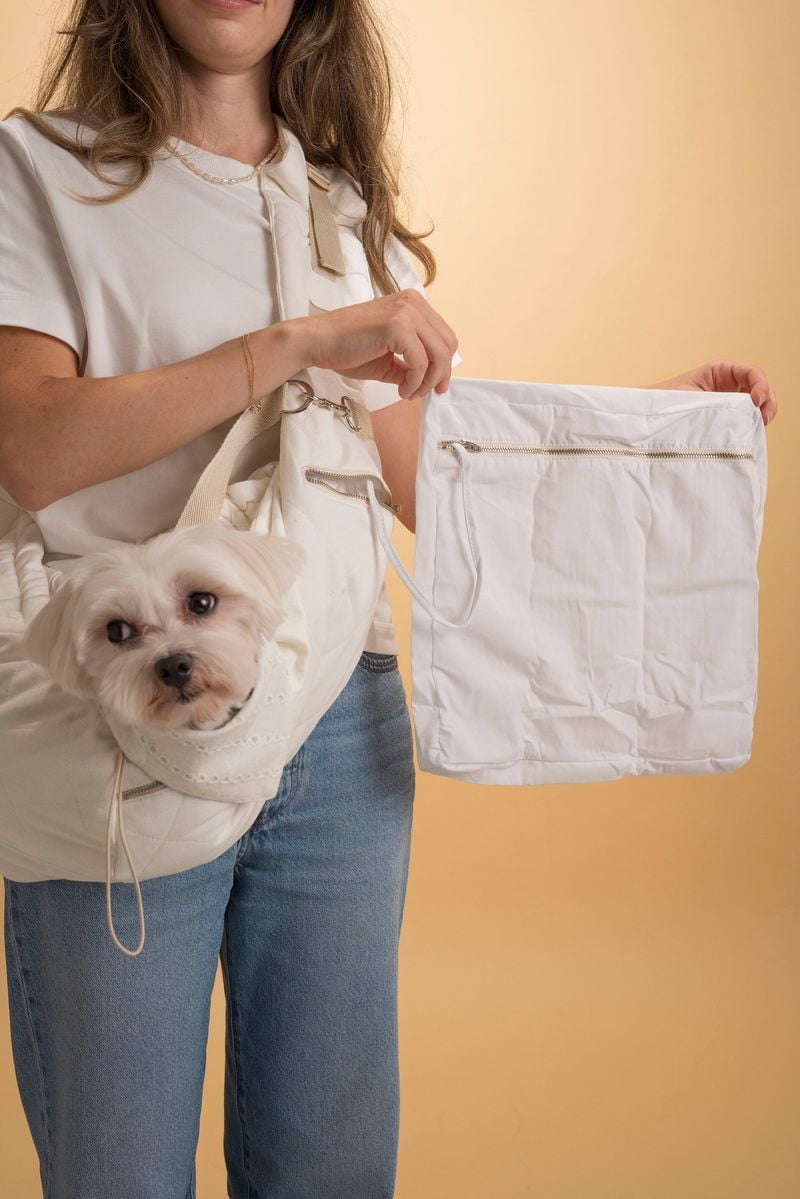
There are times when you just need to scoop up your dog and go—whether it’s avoiding broken glass on the sidewalk or hurrying through a crowded place. With a small dog, this is always an option.
No need for complicated maneuvers or help from another person. You can lift them into your car, onto the vet table, or out of danger without straining your back.
This convenience also makes travel and errands smoother. Whether you’re hopping on public transport or popping into a pet-friendly store, your tiny dog can comfortably ride in your arms.
11. Adorable Outfits Fit Better
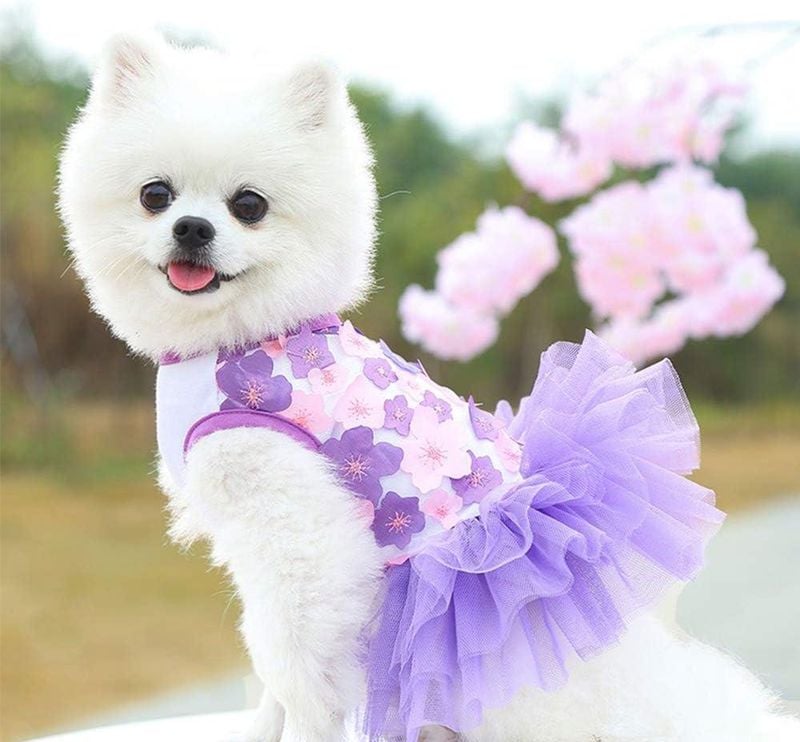
Tiny dogs make even the simplest hoodie look runway-ready. Their small frames allow them to wear clothing without it looking forced or bulky, which is why pet fashion is practically made for them.
Dog sweaters, jackets, and booties aren’t just cute—they’re also practical for breeds that need extra warmth in cold weather. And because they’re so small, the cost of canine couture stays low.
Owners often find joy in accessorizing their pups, and tiny dogs seem to wear it with pride. Whether it’s a Halloween costume or a raincoat, they pull it off effortlessly.
12. Great for Seniors
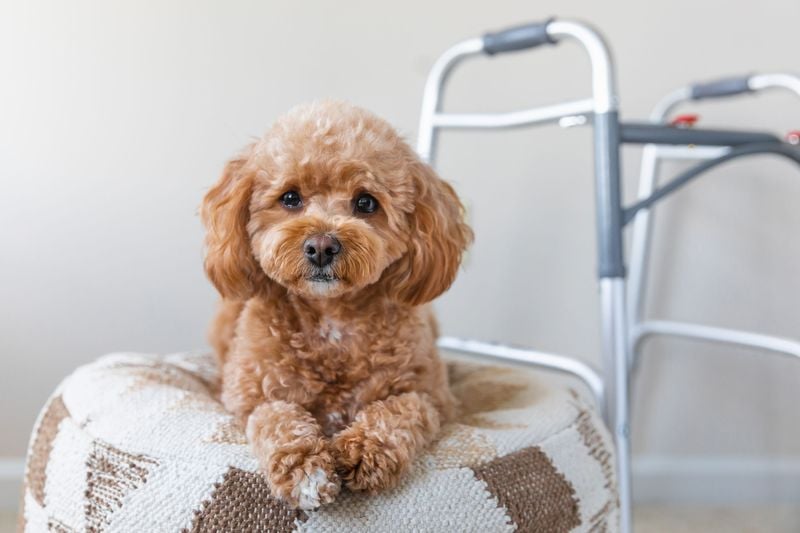
For older adults, the physical demands of caring for a large dog can be overwhelming. Small dogs offer companionship without the heavy lifting—literally.
They’re easier to walk, bathe, and transport. If mobility is limited, being able to pick up your pet or walk them with ease is a major benefit. Plus, their calm, affectionate nature provides emotional comfort and company.
Many small breeds are also content to spend time indoors, making them perfect for retirees or those living in assisted-living communities. Their manageable size and low-maintenance needs make them a senior-friendly choice.
13. Lap Dogs by Nature
Few things are more relaxing than a dog curled up on your lap—and small dogs were practically built for it. They thrive on closeness and are often happiest when they’re tucked against your chest or legs.
Unlike bigger dogs who may think they’re lap-sized (but aren’t), these pups genuinely fit in your space without leaving you breathless. Their love for snuggles means you’re never truly alone.
Whether you’re watching TV, reading, or working on your laptop, they’ll be right there, adding warmth and calm. They’re emotional support in the shape of a fluffy loaf.
14. Ideal for First-Time Owners
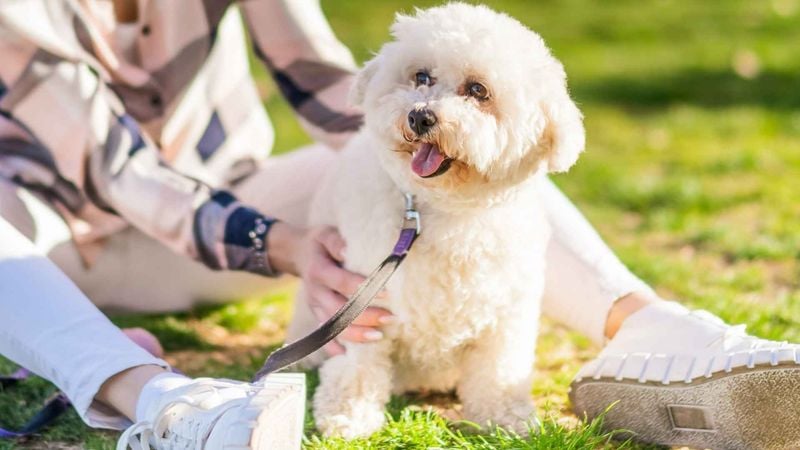
For those new to dog parenting, starting with a small breed can make the learning curve more manageable. Their needs are often simpler to meet, and their behavior is easier to control.
Training tends to be less physically demanding, and mistakes—like chewing or barking—are less destructive. You’ll feel more confident addressing issues without being overwhelmed by strength or size.
Even handling basics like walking, feeding, and grooming is more approachable. For people dipping their toes into dog ownership, a pint-sized companion offers a soft and rewarding introduction.
15. Less Intimidating to Strangers
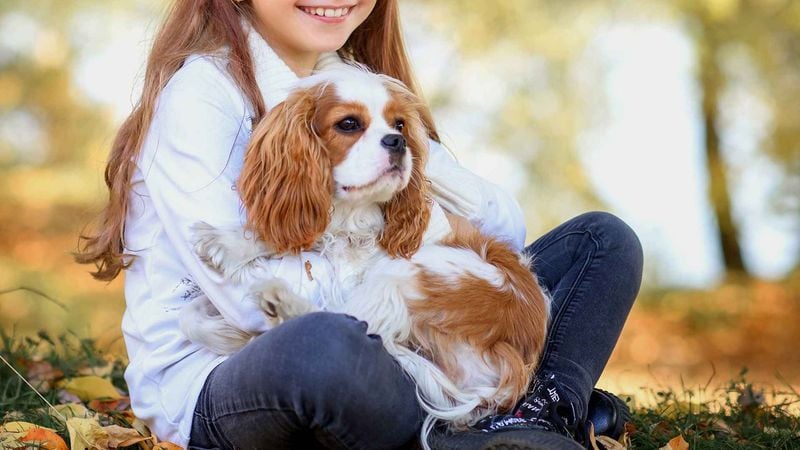
Even the friendliest large dog can startle someone who isn’t used to being around animals. Small dogs are less likely to inspire fear, thanks to their compact size and often comical appearance.
This makes everyday outings—like vet visits or strolls through the park—more pleasant. Fewer people shy away, and you might even find your dog becomes a conversation starter.
For households with frequent visitors, a tiny dog is less likely to send guests running for the door. They’re usually seen as more approachable, which helps everyone feel at ease.
16. Better for Delicate Floors
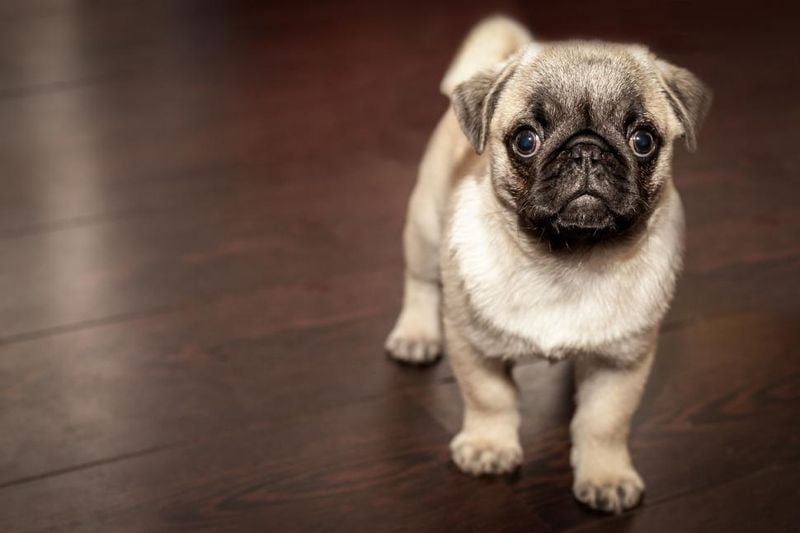
Heavy paws can do a surprising amount of damage, especially on hardwood or soft tile. Small dogs, with their light frames and gentle steps, are far less likely to scratch or dent your flooring.
They also track in less mud and debris because their paws are smaller and they don’t kick up as much dirt. This helps keep your floors cleaner and your home tidier overall.
If you’ve invested in beautiful flooring or delicate rugs, you won’t have to stress about daily wear and tear. Little dogs keep your interiors looking newer, longer—with less effort on your part.
17. Easier Vet Visits
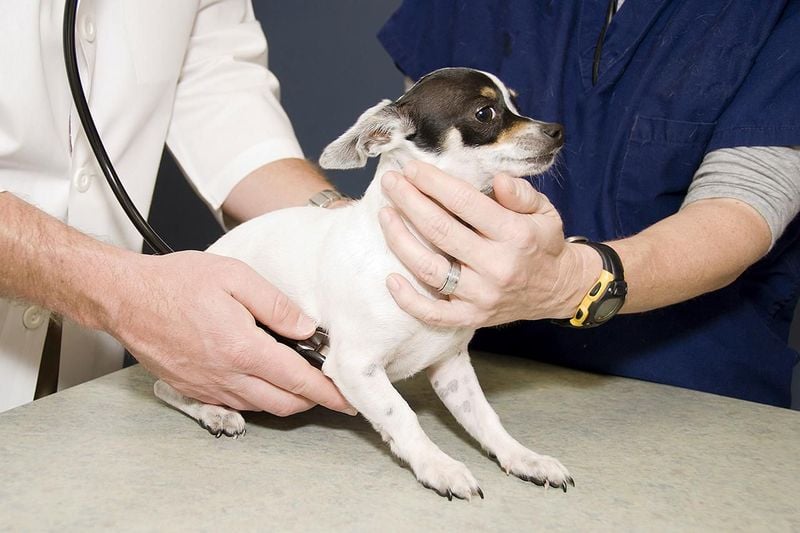
Getting a big dog into the car, into the building, and onto the exam table can be a whole ordeal. Small dogs, on the other hand, fit neatly in carriers and often ride in your arms without fuss.
Even at the vet’s office, their size makes handling easier for staff. Routine procedures like shots or nail trims go more smoothly, and they’re easier to calm in stressful environments.
The entire visit tends to be quicker and less dramatic. When your dog weighs less than a bowling ball, the process becomes a lot more convenient for everyone involved.
18. Compact Crates and Beds
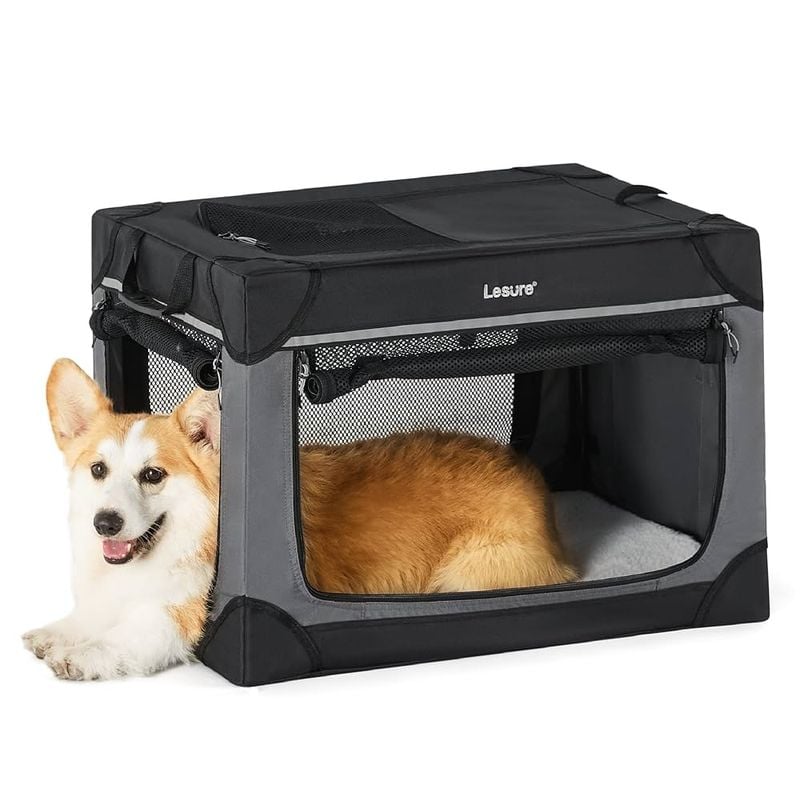
Smaller dogs don’t require a massive crate that hogs half your living room. Their sleeping spaces are cozy, easy to move, and can be tucked just about anywhere.
Even their travel crates are more convenient—lighter, easier to carry, and often airline-approved. That simplicity extends to storage: their beds, blankets, and carriers won’t overwhelm your closet space.
You’ll also save money. Smaller accessories tend to cost less, and you won’t need heavy-duty equipment just to house your pet. It’s function meets form, all in a pint-sized package.
19. Quicker to Tire Out
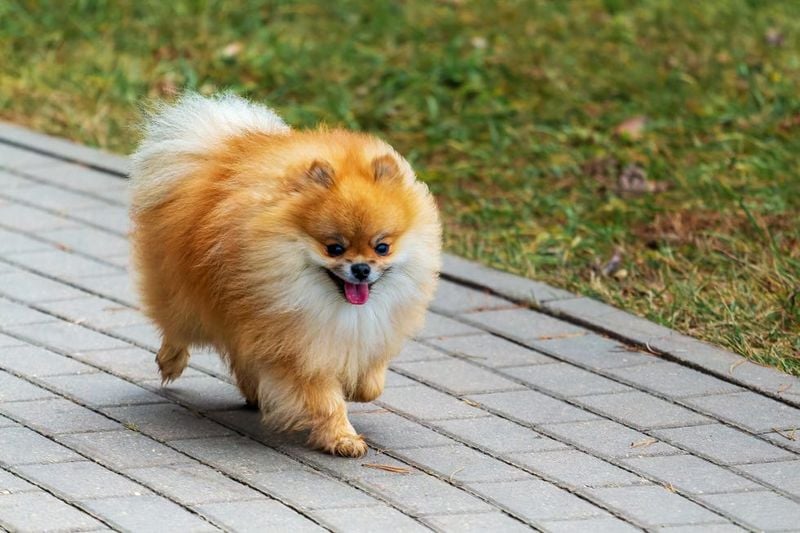
A ten-minute walk around the block can feel like a marathon to a little dog. Their short legs and fast metabolism mean they burn energy quickly—and that works in your favor.
You don’t need to commit to long hikes or intense play sessions to keep them happy. A few rounds of indoor fetch or a stroll through the park often does the trick.
This makes it easier to incorporate exercise into a busy lifestyle. You’ll meet their physical needs without carving out hours of your day, and they’ll nap like champs afterward.
20. Perfect for Kids

Children and small dogs are often a natural match. Their similar sizes make interactions less intimidating and more manageable for both parties.
Kids can safely handle small dogs under supervision, learning responsibility without risking injury. And because the dog is less physically overwhelming, it’s easier to teach boundaries, both for the child and the pup.
With the right breed and proper training, small dogs can become a child’s loyal best friend—always ready to play, snuggle, or tag along on adventures.
21. Less Destructive Power
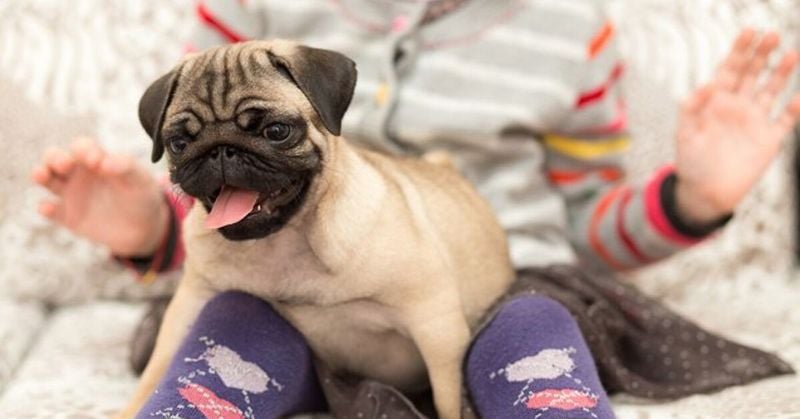
All dogs can chew, dig, or make mischief—but small dogs do far less damage simply because of their size. A chewed-up slipper is easier to forgive than a demolished couch.
If they jump up on a table or counter, their reach is limited. And if they decide to “redecorate” the backyard, it’s unlikely they’ll create craters that swallow lawn chairs.
Even when they get a little naughty, the cleanup is usually minimal. Your belongings, and your home, are much safer from canine chaos when your dog weighs under 20 pounds.
22. Fit in More Places
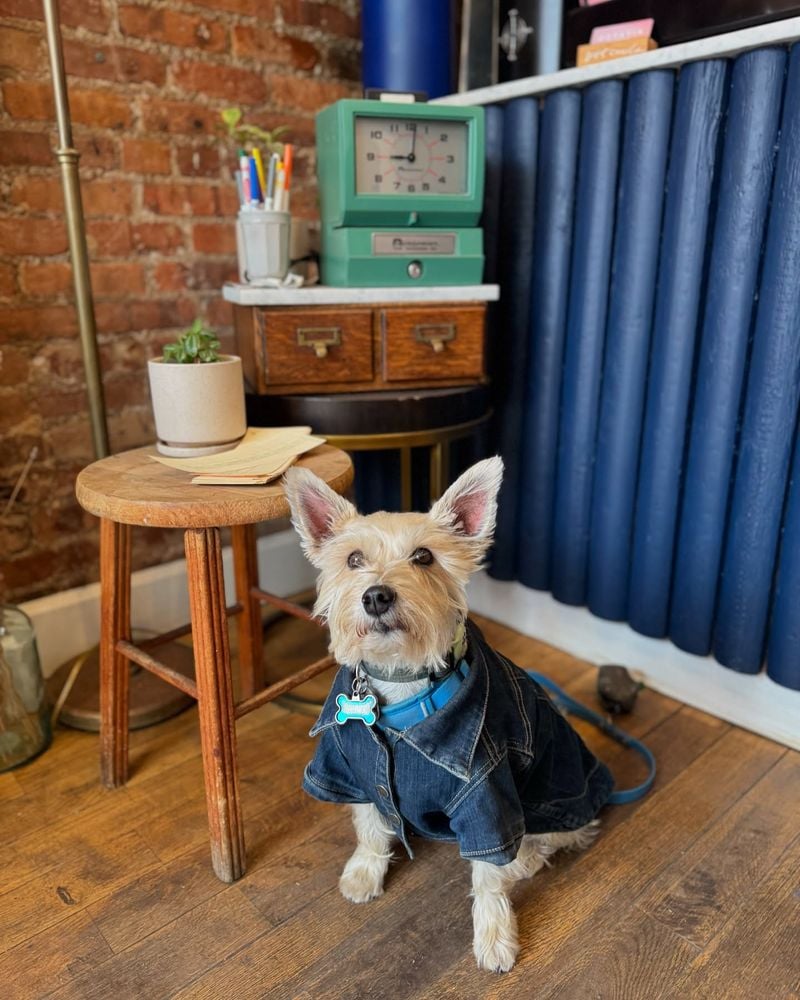
Whether it’s a pet-friendly café or a boutique store, small dogs are often welcomed in more places because they’re less disruptive. Their size makes them easier to manage, quieter in tight spaces, and generally less of a liability.
Some airlines, restaurants, and public spaces that don’t allow larger pets make exceptions for small breeds—especially if they’re well-behaved and can be carried or crated.
This freedom allows you to include your dog in more of your daily life. Instead of leaving them behind, you can bring them along—and everyone’s happier for it.
23. Just Plain Cute

Let’s be honest: there’s something undeniably heart-melting about a tiny dog with big eyes and even bigger personality. They often resemble living plush toys—and that cuteness factor works like magic.
Whether they’re prancing around the house, poking their head out of a bag, or snoozing with their tongue out, they tend to make people smile wherever they go.
That irresistibility helps in unexpected ways. Strangers are friendlier, kids are gentler, and even tough days feel softer when your tiny companion is by your sid