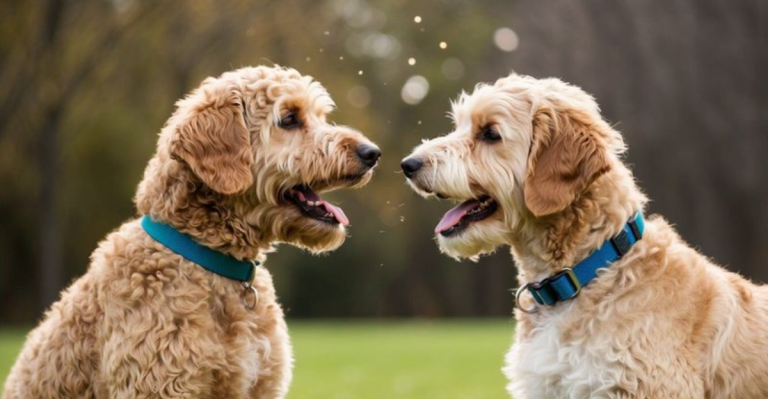
10 Golden Tips for Taking Care of Dogs In Their Golden Years

As dogs age, they require special care and attention to ensure they live comfortably and happily in their senior years.
This post offers ten essential tips for taking care of your beloved canine companion as they grow older.
From regular vet visits to providing mental stimulation, these guidelines will help you enhance your dog’s quality of life during their golden years.
1. Prioritize Regular Vet Visits
Ensuring biannual vet checkups is vital for your senior dog’s health. These visits help in early detection of potential health issues, providing an opportunity for timely treatment. Regular checkups also allow the vet to tailor care specific to your dog’s needs, ensuring they age gracefully.
Detecting problems early, such as arthritis or dental disease, can significantly enhance your dog’s quality of life. A proactive approach to veterinary care means fewer emergencies and a happier, healthier pet. Your vet can also advise on vaccinations, diet, and any necessary lifestyle adjustments.
Investing time in regular vet visits demonstrates your commitment to your dog’s well-being. Such care can extend your pet’s life and improve its quality, bringing peace of mind to you as an owner.
2. Switch to Senior-Appropriate Nutrition
As dogs mature, their nutritional needs evolve. Providing food that supports joint health and brain function is crucial in their later years. Senior dog food is formulated to help digestion and manage weight, ensuring your pet remains lively and healthy.
Choosing the right diet requires understanding the unique needs of older dogs. Ingredients like omega-3 fatty acids and antioxidants support cognitive function and immune health. Consulting your vet for recommendations on the best senior diet can make a big difference.
Feeding your dog appropriately is a loving gesture that enhances their quality of life. With proper nutrition, your dog can continue to enjoy playtime and companionship without the burden of excess weight or joint pain.
3. Maintain a Comfortable Living Space
Older dogs often face mobility challenges, making a comfortable living space essential. Providing an orthopedic bed can alleviate joint pain, while non-slip rugs prevent accidents and falls, creating a safe environment.
Ensuring easy access to food, water, and outdoor areas is important too. Small changes, like adding ramps to favorite spots, can make a big difference in their daily comfort. These adjustments reduce stress and help your dog navigate their home with ease.
A well-organized, senior-friendly space reflects your dedication to your pet’s happiness. Investing in their living environment ensures they enjoy their surroundings without discomfort, making life more pleasant for both of you.
4. Stay on Top of Dental Hygiene
Dental care is crucial as dogs age, with many experiencing painful dental diseases. Regular brushing and using dental chews can help maintain oral health, reducing the risk of complications and discomfort.
Professional cleanings may be necessary for more stubborn issues, helping prevent tooth loss and other health problems. A healthy mouth contributes to overall well-being, enabling your dog to eat comfortably and enjoy life.
Maintaining dental hygiene is a simple yet impactful way to care for your senior dog. By incorporating regular dental care into your routine, you’ll ensure your pet has a brighter, healthier smile and a happier life.
5. Adjust Exercise Routines
Exercise remains vital for senior dogs, though the approach may need adjustment. Shorter, gentler walks are ideal for maintaining fitness without overstraining your pet. Activities like swimming or soft indoor games are excellent alternatives.
Tailoring exercise routines to fit your dog’s age and health condition ensures they remain active and engaged. Regular movement helps maintain muscle tone and joint flexibility, warding off stiffness and discomfort.
Customizing exercise plans shows your adaptability to your dog’s changing needs. By providing appropriate activities, you help sustain their vitality and joy, allowing them to continue enjoying life’s simple pleasures.
6. Monitor Their Weight Carefully
Weight management is crucial in a senior dog’s health care regimen. Obesity can exacerbate joint pain and lead to serious health issues. Being mindful of portion control and monitoring treat intake is essential in preventing unnecessary weight gain.
Regular weigh-ins can help track your dog’s health, allowing adjustments to diet and activity as needed. Consulting with your vet can provide tailored advice to ensure your dog’s weight remains within a healthy range.
Keeping a close eye on your dog’s weight reflects your commitment to their health. By maintaining a balanced diet, you ensure your pet remains agile and content, enhancing their overall quality of life.
7. Watch for Behavior Changes
Behavioral shifts in senior dogs can signal underlying health issues. Anxiety, increased pacing, or withdrawal may indicate cognitive decline or vision loss. Recognizing these changes early is vital for timely intervention.
Regularly observing your dog’s behavior allows you to detect subtle signs of discomfort or confusion. Consulting with a veterinarian can help identify potential health concerns and develop strategies to manage them effectively.
Being attentive to behavioral changes demonstrates your dedication to your dog’s emotional well-being. By addressing these shifts, you can provide the support needed to navigate aging gracefully, ensuring happiness and comfort in their later years.
8. Offer Mental Stimulation Daily
Keeping a senior dog’s mind active is essential to delay cognitive decline. Engaging them with puzzle toys, light training sessions, and scent games can stimulate their minds and keep them entertained.
Daily mental exercises contribute to overall happiness and reduce stress. By incorporating variety into their routine, you ensure your dog remains mentally sharp and alert. Such activities also strengthen the bond between you and your pet.
Providing mental stimulation is an act of love that enriches your dog’s life. Through creative play and challenges, you offer a fulfilling environment that supports their mental and emotional well-being.
9. Keep Their Environment Predictable
A predictable environment is key to reducing stress in senior dogs. Maintaining routine and familiar surroundings helps them feel secure and comfortable, minimizing anxiety and confusion.
Avoiding loud noises, major changes, or chaotic situations is crucial in preserving their peace. A stable environment allows your dog to navigate life confidently, without unnecessary disturbances.
Creating a consistent living space shows your understanding of their needs. By keeping their world predictable, you enhance their sense of security, allowing them to enjoy their golden years with tranquility and contentment.
10. Give Extra Love and Patience
Senior dogs require more care and patience as they age. Offering extra love through gentle touch, soothing voice, and steady presence makes a difference in their emotional well-being.
Understanding their needs and providing reassurance strengthens your bond. Small gestures like cuddling, soft words, or simply being by their side convey your love and commitment.
Embracing the journey with patience and tenderness enriches both your lives. By offering extra affection, you contribute positively to your dog’s happiness, making their twilight years truly golden and cherished.