
The 30 Worst Dog Breeds for First-Time Owners: Expert Guide to Avoiding Common Mistakes
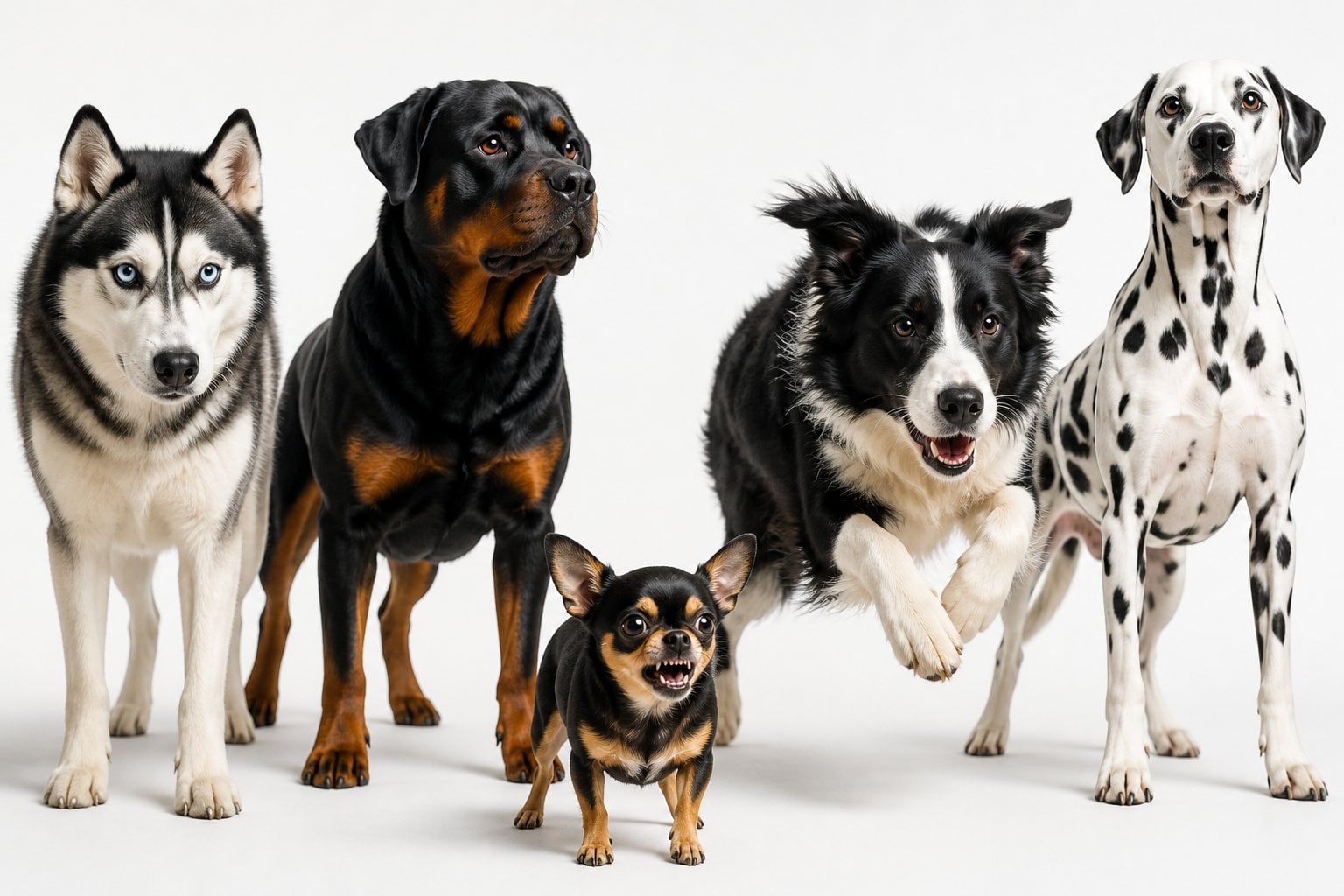
Getting a dog for the first time is an exciting decision, but choosing the right breed can make the difference between a rewarding experience and an overwhelming challenge.
While all dogs require commitment and care, some breeds demand significantly more time, training expertise, and energy than others.
Certain breeds possess traits like high energy levels, strong-willed temperaments, intense exercise needs, or protective instincts that can quickly overwhelm someone without prior dog ownership experience.
Your lifestyle, living situation, and available time all play critical roles in determining which breeds will thrive under your care. This guide examines specific breeds that typically present difficulties for newcomers to dog ownership, along with the characteristics that make them particularly demanding. Understanding these challenges before making your decision helps ensure both you and your future companion will be set up for success.
1. Belgian Malinois
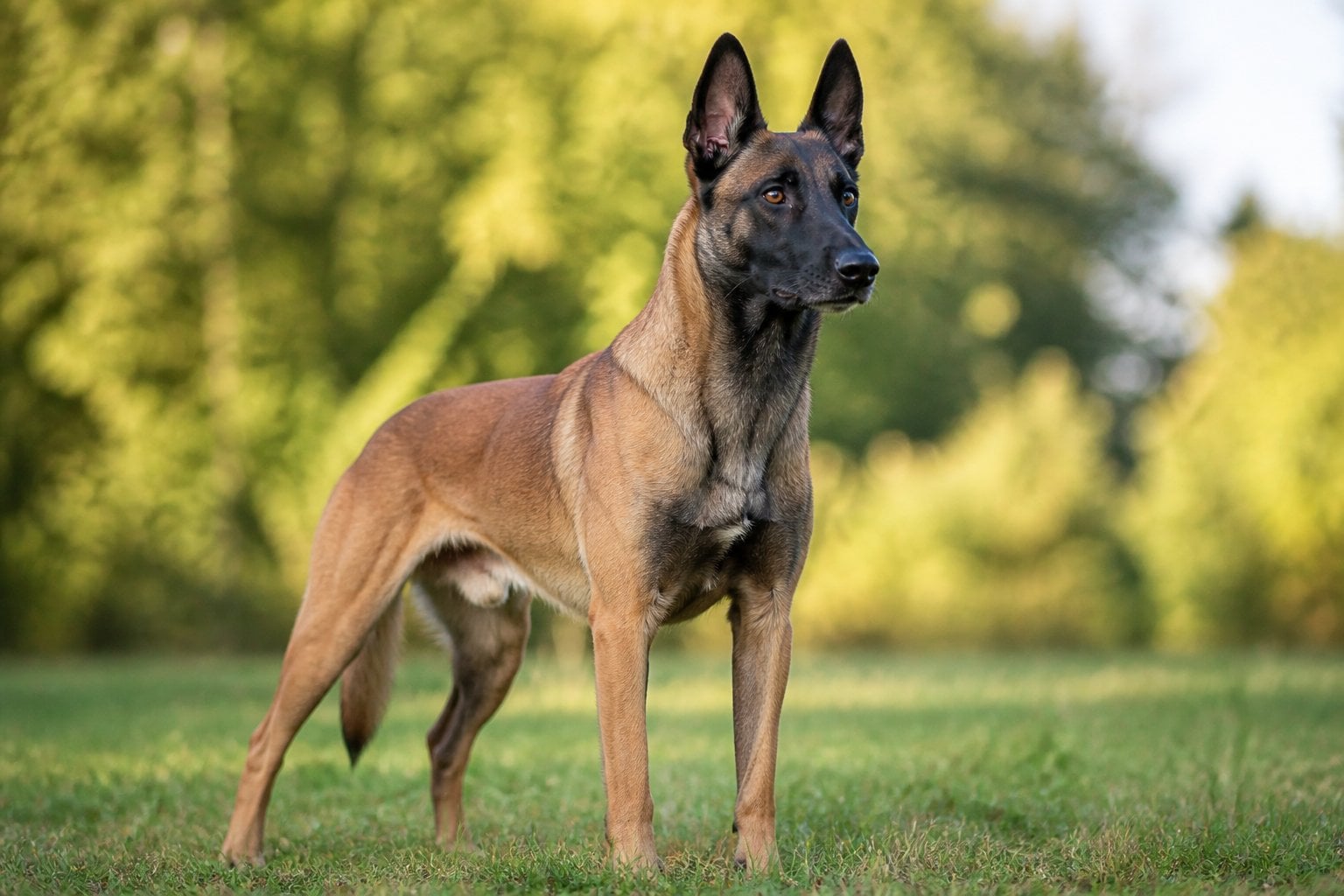
The Belgian Malinois consistently ranks as one of the most challenging breeds for first-time dog owners. These dogs were originally bred as working animals for Belgian sheepherders and cattlemen, which means they possess an intense drive to stay active and perform tasks.
Belgian Malinois require experienced handling and structured training from day one. Without proper leadership and consistent engagement, their high energy levels can quickly turn into behavioral problems. They need significant daily exercise and mental stimulation to prevent destructive tendencies.
These dogs are commonly used in police and military work, which demonstrates their intelligence and capability. However, this same intensity makes them unsuitable for novice owners who may lack the time, experience, or resources to meet their demanding needs.
You’ll find that Belgian Malinois thrive best with owners who understand working dog breeds and can provide them with a clear job or purpose.
2. Siberian Husky
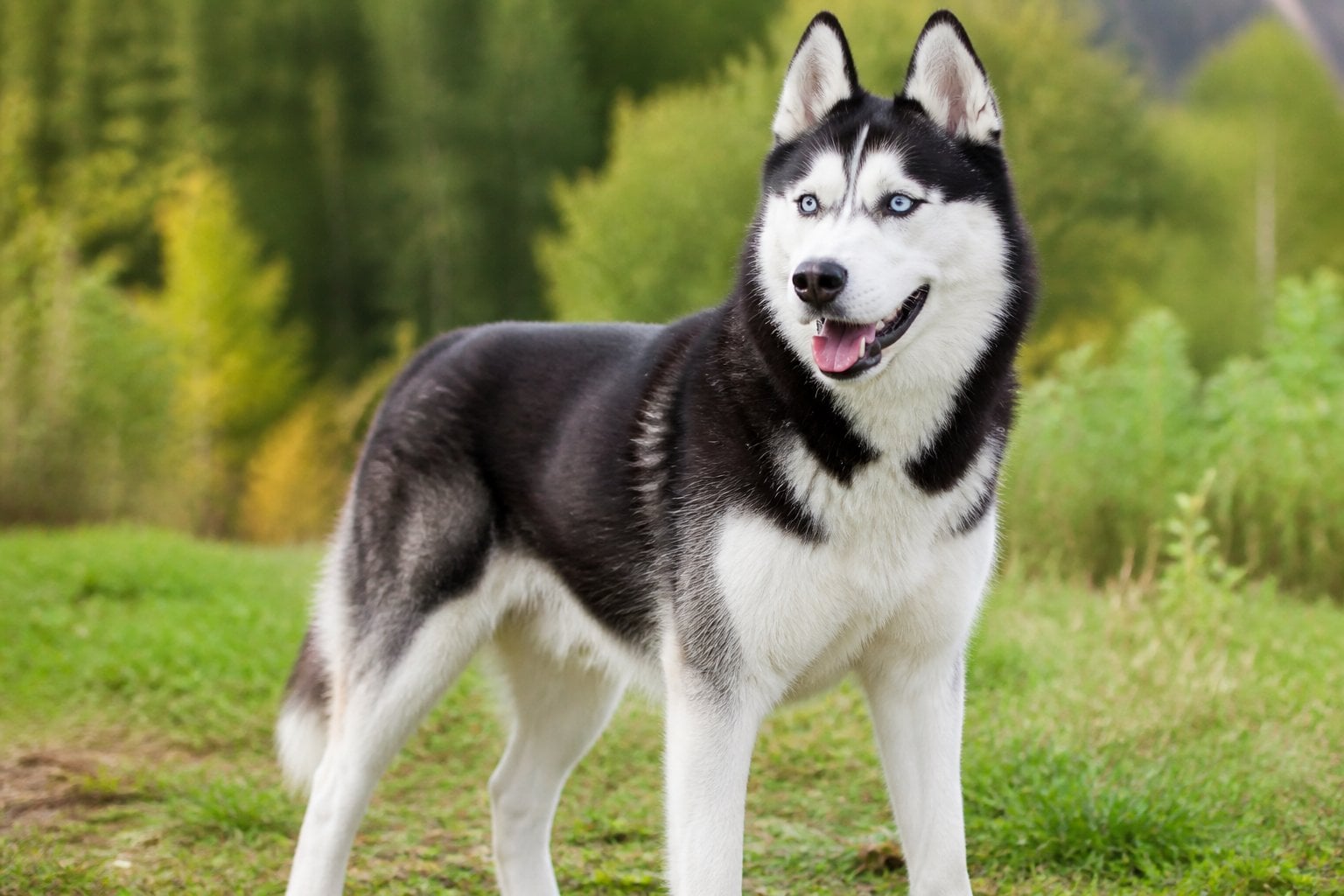
Siberian Huskies consistently rank among the most challenging breeds for inexperienced dog owners. These stunning dogs were bred to pull sleds across vast distances in frigid conditions, giving them exceptional stamina and energy levels that demand significant daily exercise.
Their independent nature and stubborn streak make training difficult without proper experience. You’ll find that Huskies often ignore commands if they don’t see the point, requiring patience and consistent leadership that first-time owners may struggle to provide.
These dogs need substantial space to move and aren’t suited for apartment living. Their high energy means they can become destructive when bored or under-exercised.
Huskies also have a strong prey drive and a tendency to escape, requiring secure fencing and constant supervision. Without adequate socialization and training from an experienced handler, you may face behavioral challenges that can quickly become overwhelming.
3. Akita
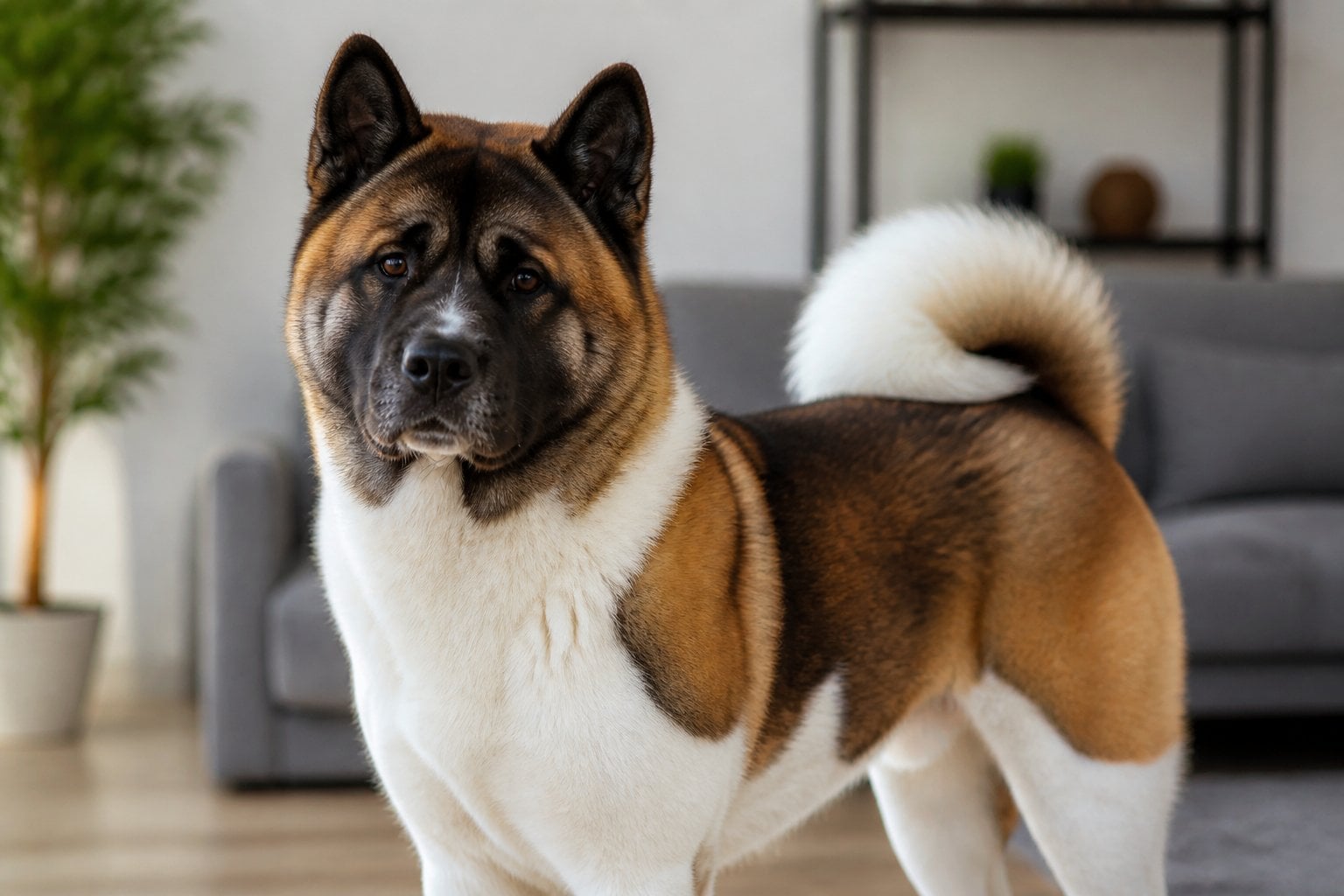
The Akita consistently ranks among the most challenging breeds for inexperienced dog owners. This Japanese breed requires an owner who can establish firm, consistent leadership from day one.
Akitas are naturally independent and strong-willed, which makes training more demanding than with typical beginner-friendly breeds. You’ll need to invest significant time in socialization and obedience training to manage their protective instincts properly.
Their heavy shedding requires regular grooming maintenance throughout the year. Akitas also tend to be reserved or aloof with strangers and may show aggression toward other dogs if not properly socialized.
Veterinarians frequently advise first-time owners to choose a different breed. These dogs thrive best with experienced handlers who understand dominant breeds and can provide structured, positive reinforcement-based training consistently.
4. Chow Chow
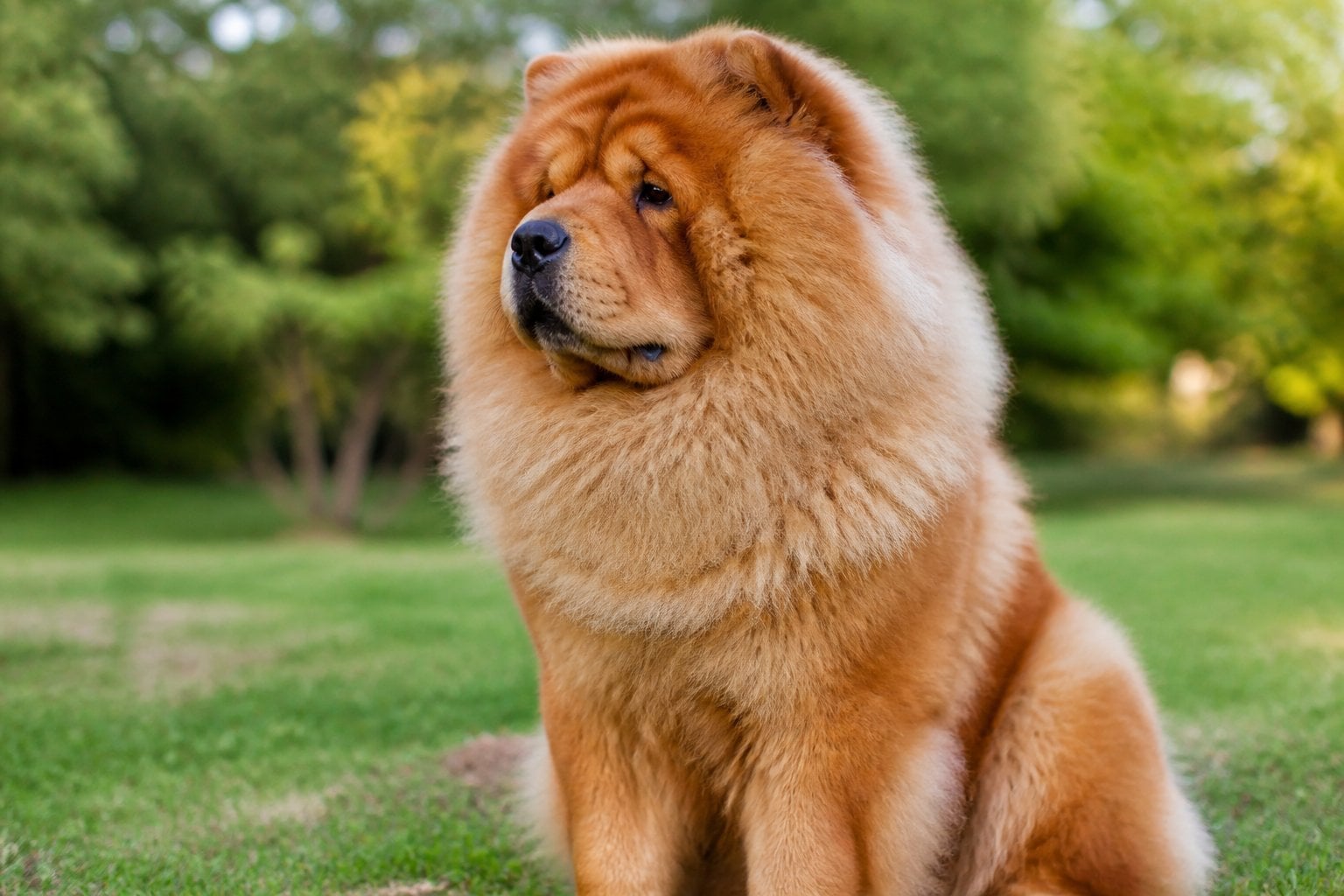
Chow Chows present significant challenges for inexperienced dog owners due to their independent and strong-willed personalities. These distinctive, lion-maned dogs require firm, consistent training from someone who understands canine behavior.
Their aloof temperament means they don’t naturally seek to please you like many other breeds do. This makes training more difficult and time-consuming than you might expect.
Chow Chows can be territorial and protective, which requires careful socialization starting in puppyhood. Without proper guidance, these traits can develop into aggression toward strangers or other animals.
They also need an owner who can establish clear leadership without harsh methods. Their stubborn nature means they’ll challenge boundaries if you’re inconsistent with rules and training.
The breed’s grooming needs and potential health issues add further complexity to ownership.
5. Rottweiler
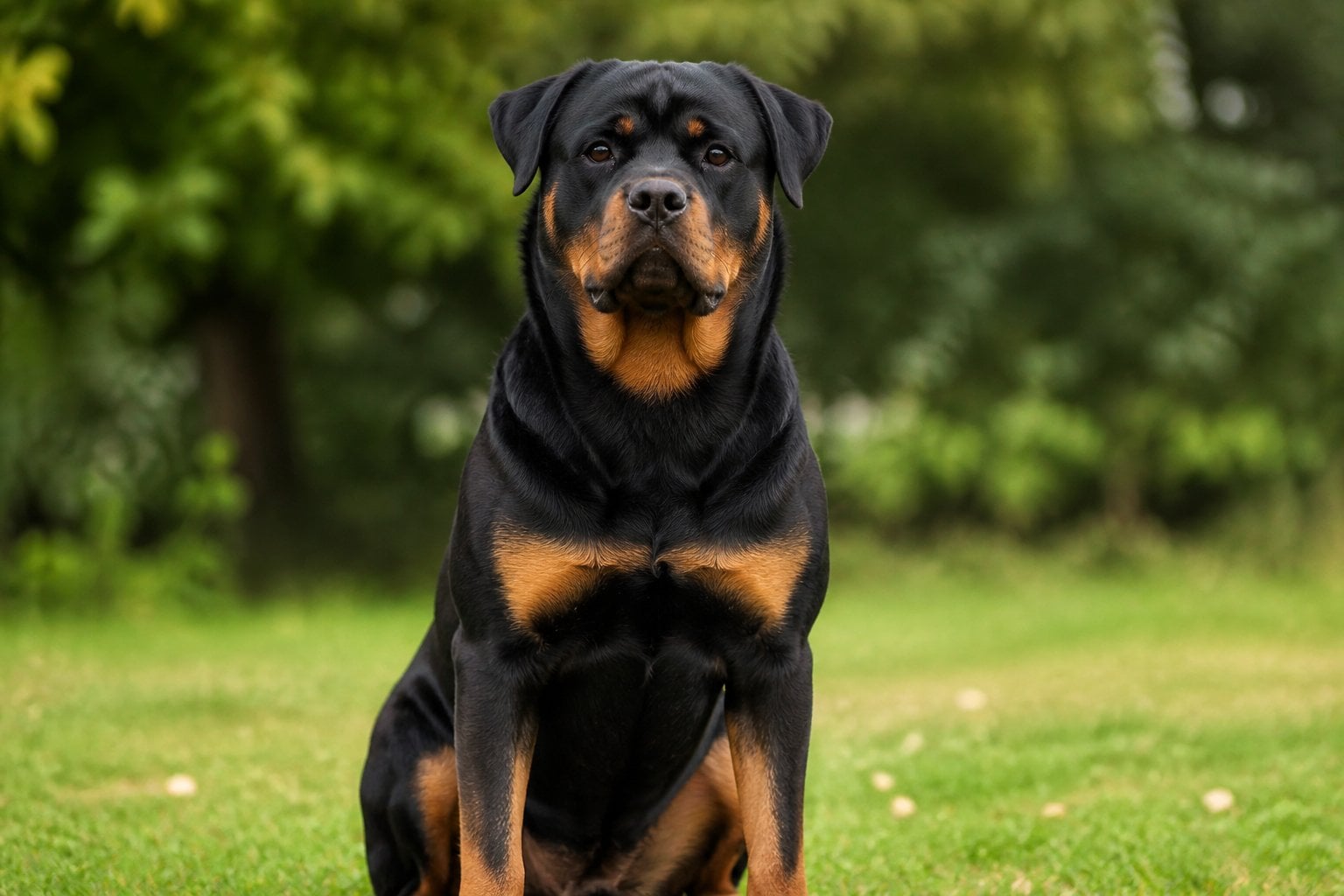
Rottweilers present significant challenges for inexperienced dog owners. These powerful dogs can weigh up to 135 pounds and possess strong protective instincts that require experienced handling.
Their muscular build and imposing presence demand an owner who can establish firm, consistent leadership. Without proper guidance, Rottweilers may become overly protective or difficult to control.
You’ll need to invest substantial time in training and socialization from an early age. These intelligent dogs were originally bred for herding and protection work, giving them a strong-willed nature that doesn’t respond well to uncertain handling.
The breed requires significant physical exercise and mental stimulation daily. If you lack experience managing large, dominant breeds, a Rottweiler’s size and strength can quickly become overwhelming in everyday situations like walks or greeting visitors.
6. German Shepherd
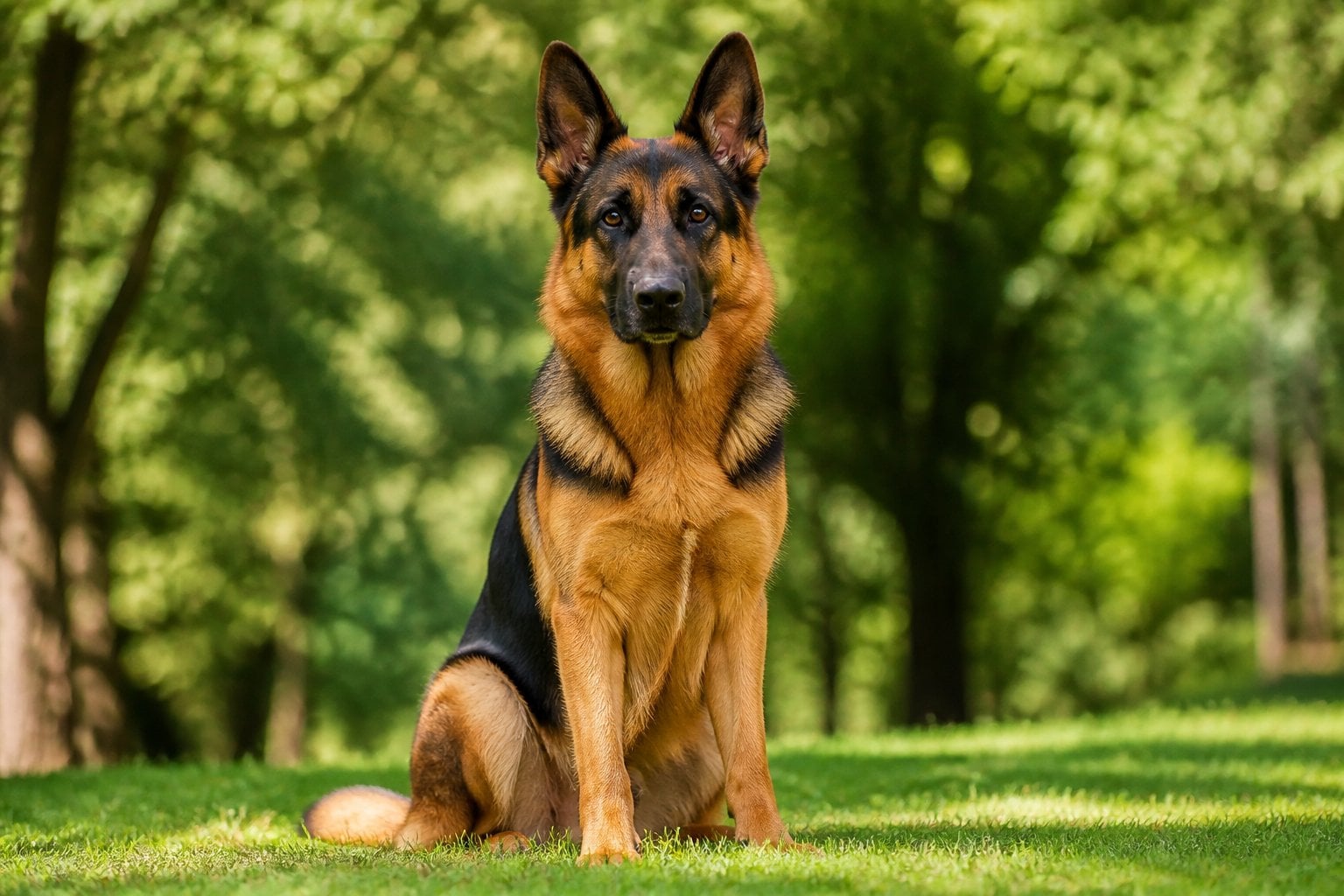
German Shepherds are intelligent and loyal dogs, but their high energy and intense drive make them challenging for inexperienced owners. These dogs require extensive daily exercise and mental stimulation to prevent destructive behaviors.
Their strong protective instincts need careful management through consistent training and early socialization. Without proper guidance, German Shepherds can become overly territorial or anxious around strangers.
You’ll need to invest significant time in obedience training, as these dogs are powerful and can be difficult to control without proper instruction. They also shed heavily year-round, requiring regular grooming maintenance.
German Shepherds thrive with experienced handlers who understand their working dog nature and can provide structured leadership. First-time owners may struggle to meet their demanding physical and mental needs effectively.
7. American Pit Bull Terrier
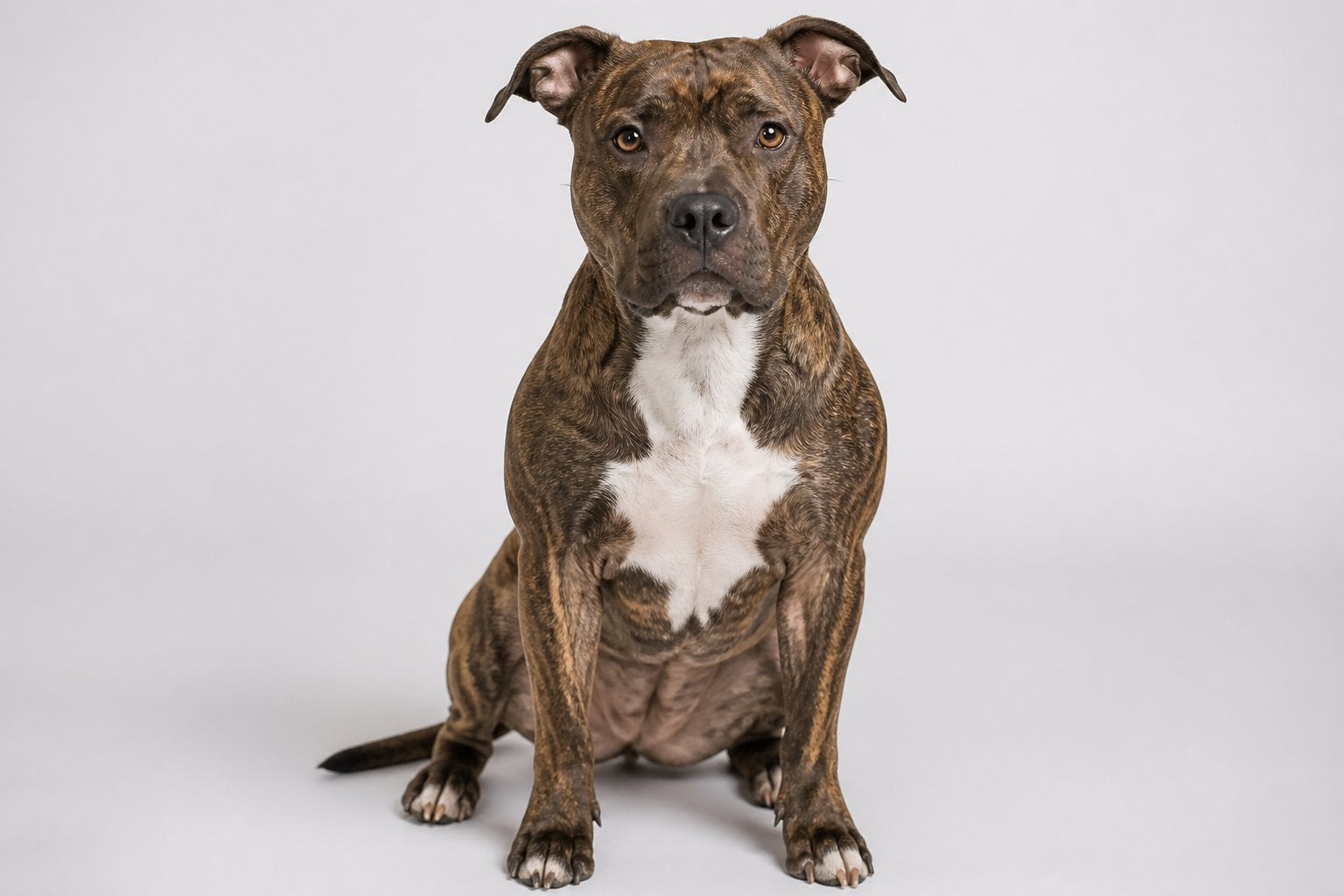
The American Pit Bull Terrier carries one of the most controversial reputations in the dog world. Originally bred for blood sports like bull baiting, this breed possesses significant strength and determination that requires experienced handling.
Your success with a Pit Bull depends heavily on your ability to provide firm, consistent training from day one. These dogs need an owner who can establish clear leadership without hesitation. Their powerful build and high energy levels demand regular exercise and mental stimulation.
Pit Bulls can form strong bonds with their families and show remarkable loyalty. However, their aggressive tendencies toward other animals and protective instincts require careful management. You’ll face challenges with socialization that experienced owners handle more effectively.
Insurance complications and breed-specific legislation in many areas add practical difficulties to ownership. These factors make the American Pit Bull Terrier unsuitable for first-time dog owners.
8. Dogo Argentino
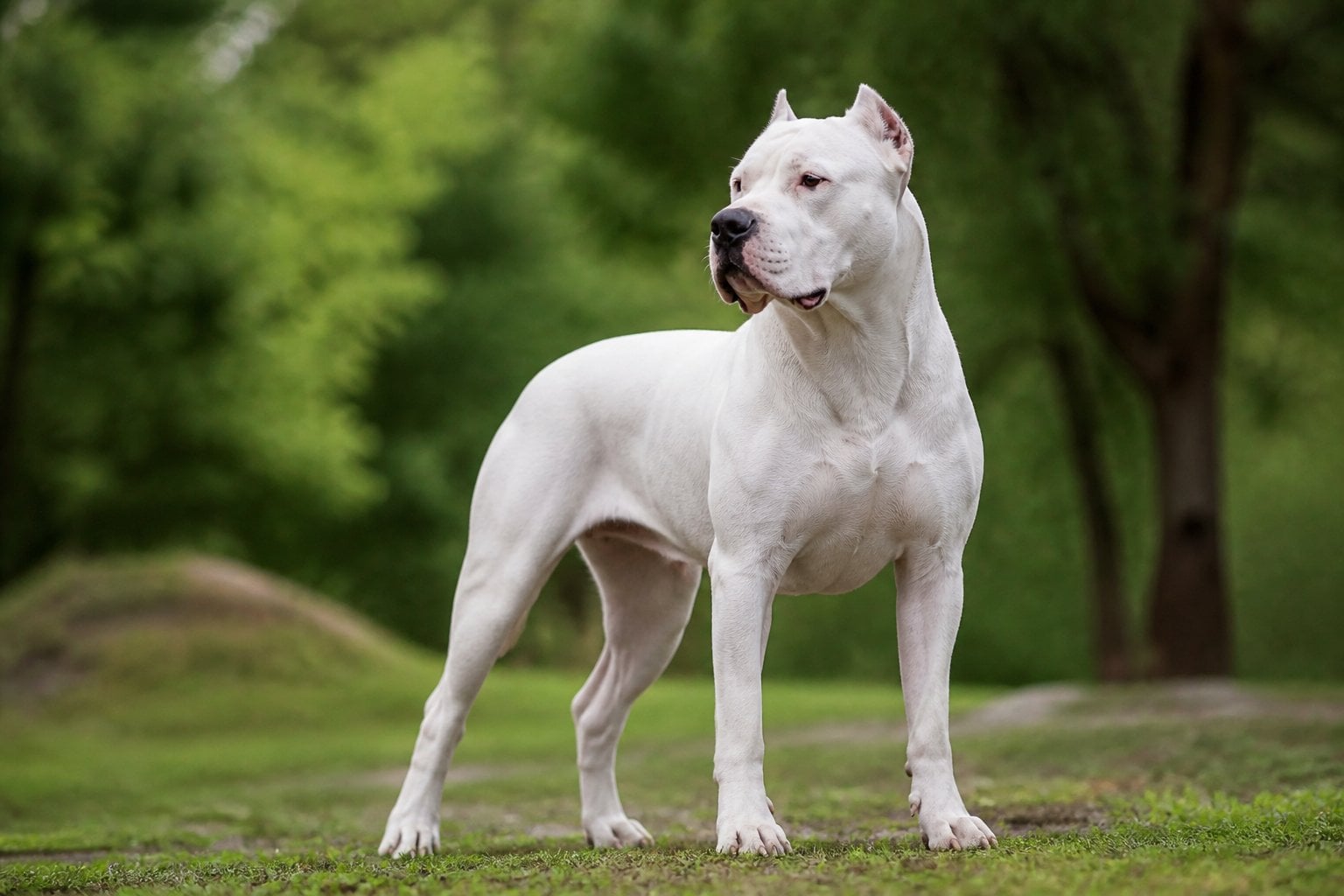
The Dogo Argentino was bred in Argentina in 1928 specifically for big-game hunting, including wild boar. This large, muscular dog possesses remarkable strength and natural protective instincts that require an experienced handler.
You’ll need to provide firm, consistent training from day one. These dogs demand a confident owner who can establish clear boundaries early in their development.
Their high energy levels and strong hunting instincts mean they require substantial exercise and mental stimulation daily. Without proper outlets, behavioral issues can develop quickly.
The Dogo Argentino isn’t suitable for casual pet ownership. They need someone who understands canine behavior and can commit to ongoing training and socialization. If you’re just starting your journey as a dog owner, this breed will likely overwhelm you with its needs and intensity.
9. Dalmatian
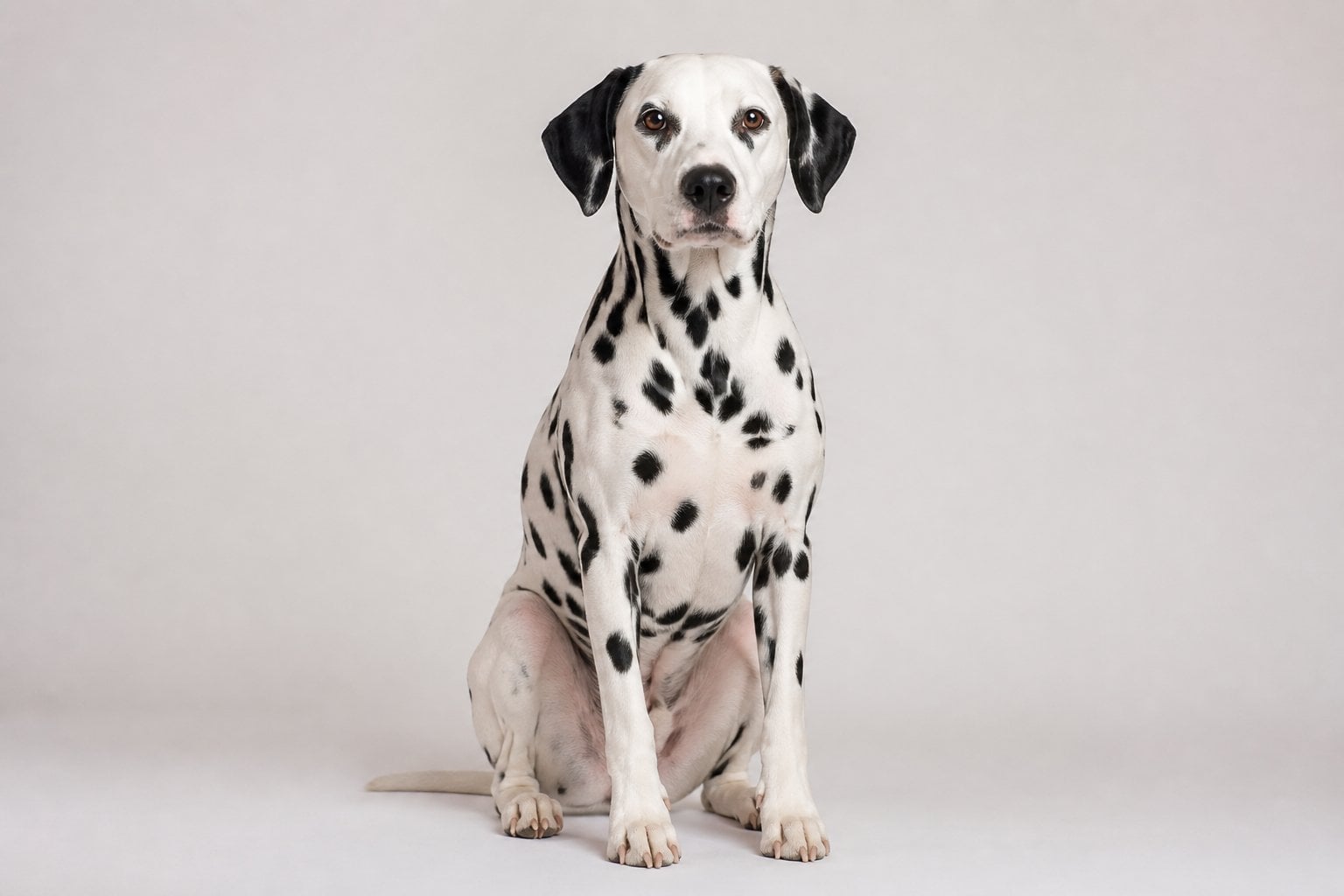
Dalmatians present significant challenges for first-time dog owners due to their high energy levels and independent nature. These dogs require extensive daily exercise and mental stimulation to prevent destructive behaviors.
Their stubborn streak can make training difficult without proper experience. Dalmatians respond best to positive reinforcement techniques, but their independent mindset requires consistency and patience that novice owners may lack.
Health concerns add another layer of complexity to Dalmatian ownership. Approximately 30% of Dalmatians experience some degree of hearing loss, which requires specialized training approaches. They’re also prone to other inherited medical conditions that demand attentive care.
You’ll need to commit substantial time to physical activity and training sessions. Without adequate outlets for their energy, Dalmatians become restless and may develop problematic behaviors that overwhelm inexperienced owners.
10. Alaskan Malamute
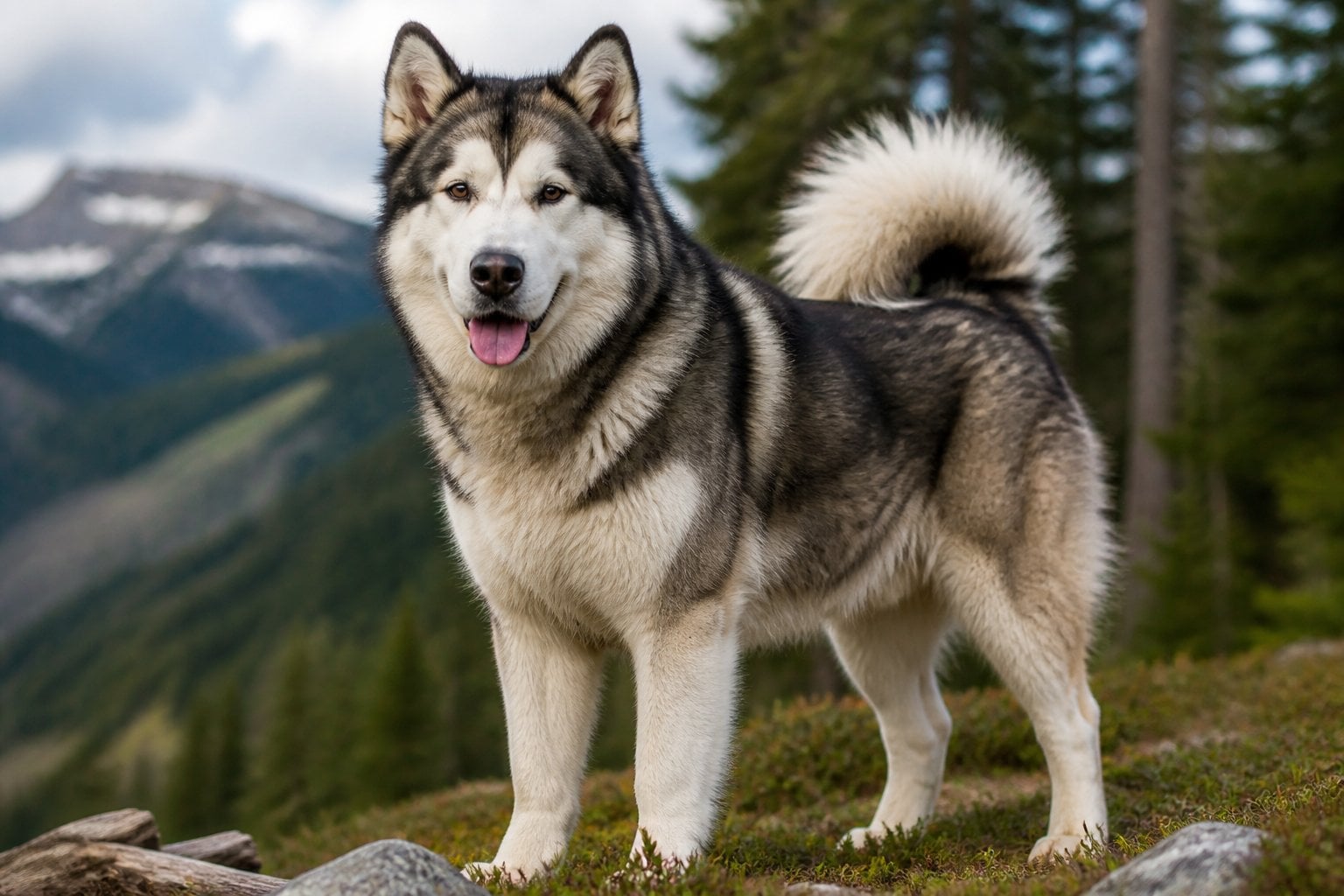
The Alaskan Malamute demands an experienced handler who can establish firm leadership from day one. These powerful dogs are notoriously headstrong and challenge authority regularly, making them unsuitable for novice owners.
Training an Alaskan Malamute requires patience and consistency. They resist commands from owners they don’t view as pack leaders, and their independent nature makes obedience work challenging.
Their strength presents practical problems too. Malamutes pull hard on leashes and need someone physically capable of controlling them during walks. You’ll also face their high energy requirements and need for extensive exercise.
These dogs display dominance behaviors that require your understanding of canine hierarchies. Without proper management, they can become difficult to handle in household settings. Their size, strength, and stubborn temperament combine to create challenges that overwhelm first-time dog owners.
11. Shiba Inu
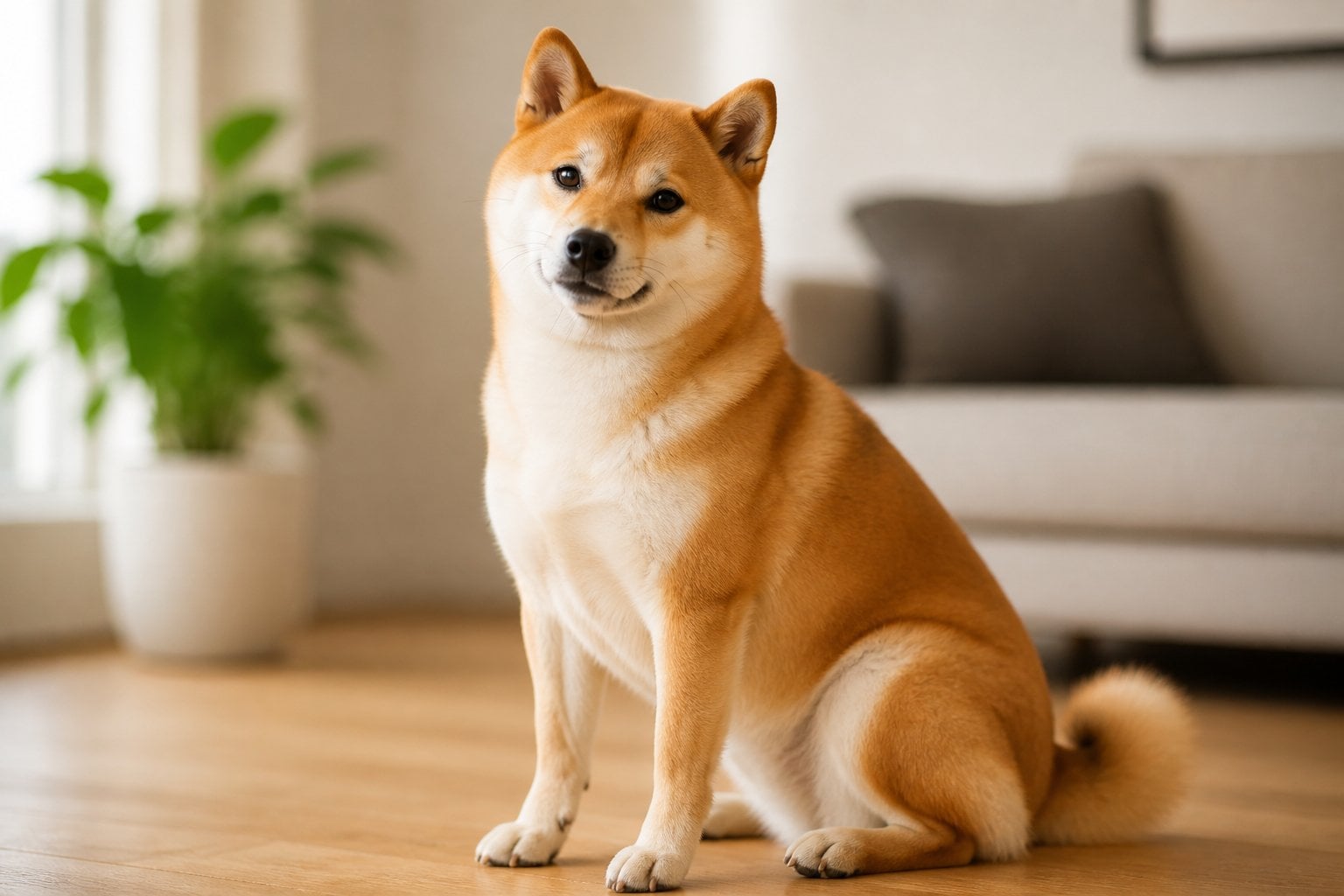
The Shiba Inu presents unique challenges that can overwhelm first-time dog owners. This Japanese breed possesses a strong-willed, independent personality that makes training difficult. You’ll find that Shibas often ignore commands, not from lack of understanding but from selective hearing.
Originally bred as hunting dogs in Japan’s mountainous regions, they retain powerful prey drives and chase instincts. This means you’ll need secure fencing and constant vigilance during walks.
Shibas are highly intelligent, often outsmarting inexperienced owners who aren’t prepared for their stubborn nature. They require patient, consistent training methods that many newcomers haven’t developed yet. Their independent streak means they don’t automatically seek to please you like more biddable breeds.
You should also know that Shibas can be aloof with strangers and require extensive socialization. Their bold, spirited temperament demands an experienced hand to channel properly.
12. Jack Russell Terrier
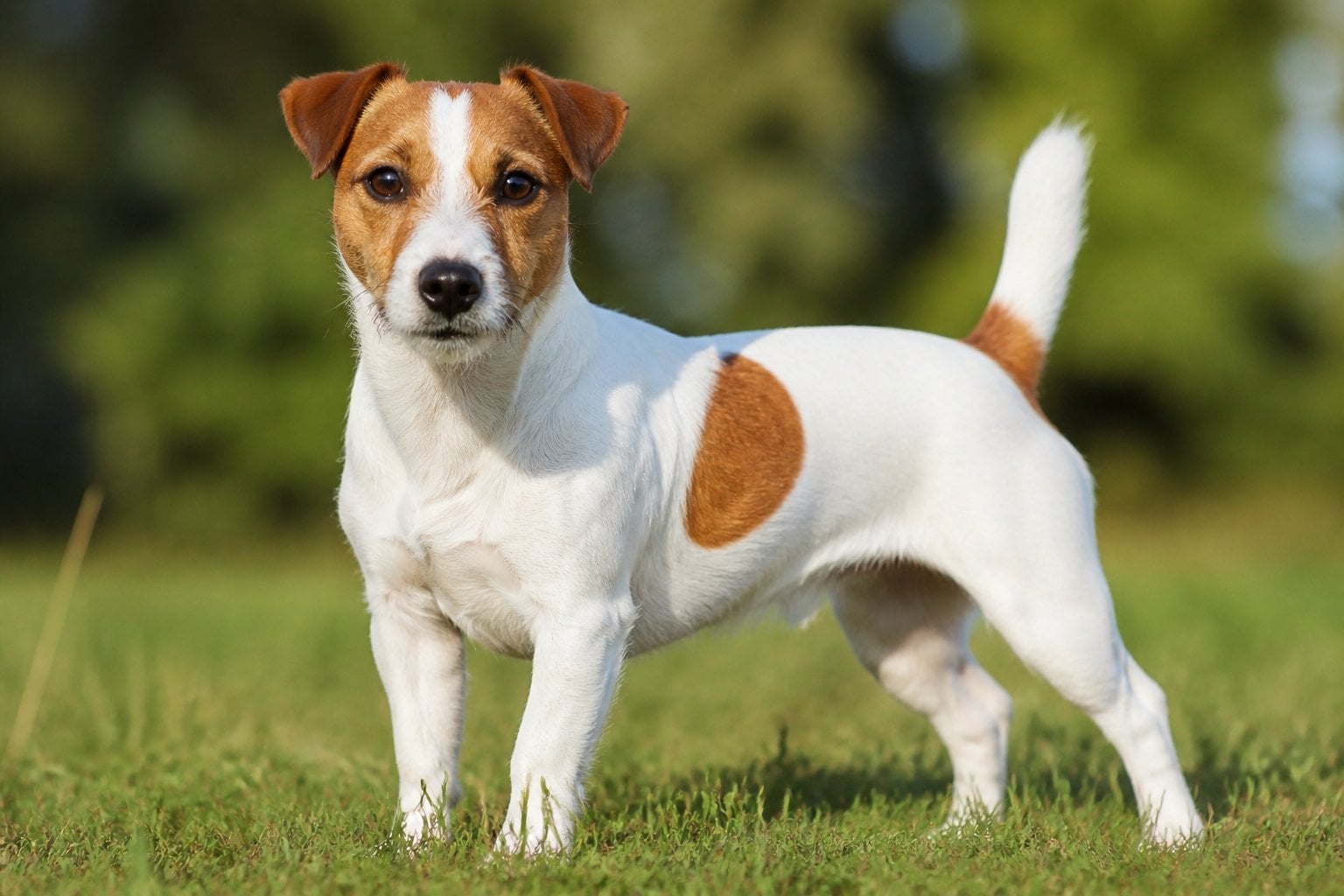
Jack Russell Terriers pack enormous energy into their small frames. You’ll need to provide extensive daily exercise and consistent mental stimulation to prevent destructive behaviors from taking over your home.
These intelligent dogs have a strong prey drive that makes them challenging to manage around small animals. They require firm, experienced handling and aren’t content with casual training sessions.
Their stubborn streak means you’ll face resistance during training if you lack confidence or consistency. Jack Russells demand structure and won’t tolerate a passive approach to leadership.
Without proper outlets for their boundless energy, they’ll redirect it into barking, digging, and chewing. You should be prepared for a dog that needs significantly more attention than their compact size might suggest.
13. Border Collie
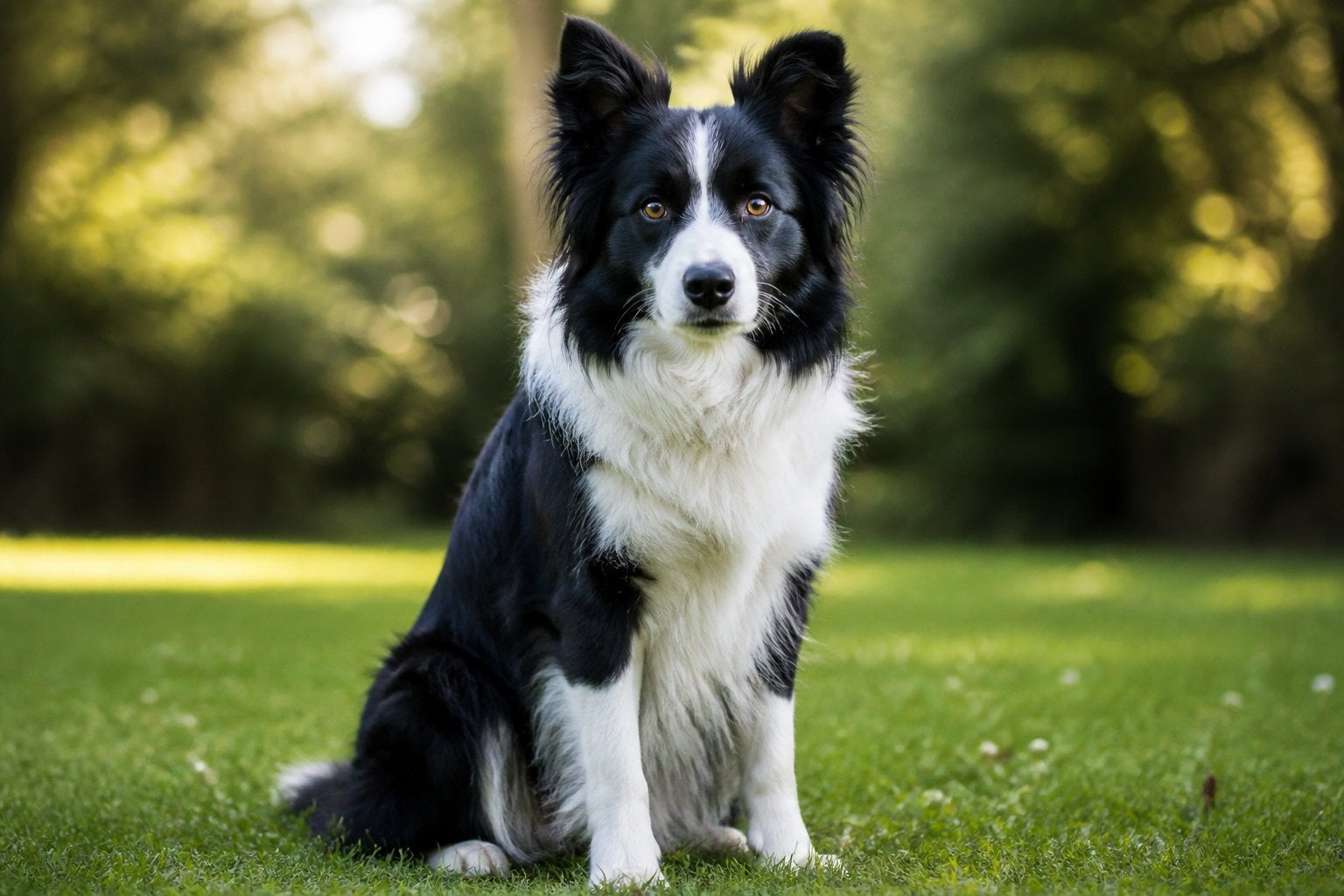
Border Collies rank among the most intelligent dog breeds, but this trait becomes a challenge for inexperienced owners. You’ll need to provide up to two hours of exercise daily to keep this breed satisfied.
Without sufficient physical and mental stimulation, Border Collies develop destructive behaviors. They may chew furniture, scratch walls, or break house training when their energy needs aren’t met.
Their intelligence requires you to stay one step ahead during training sessions. Border Collies need constant mental challenges through complex tasks and problem-solving activities.
If you work full-time and come home tired, this breed will prove difficult to manage. Their herding instincts and high energy levels demand an owner who can match their intensity and provide structured activities throughout the day.
14. Australian Shepherd
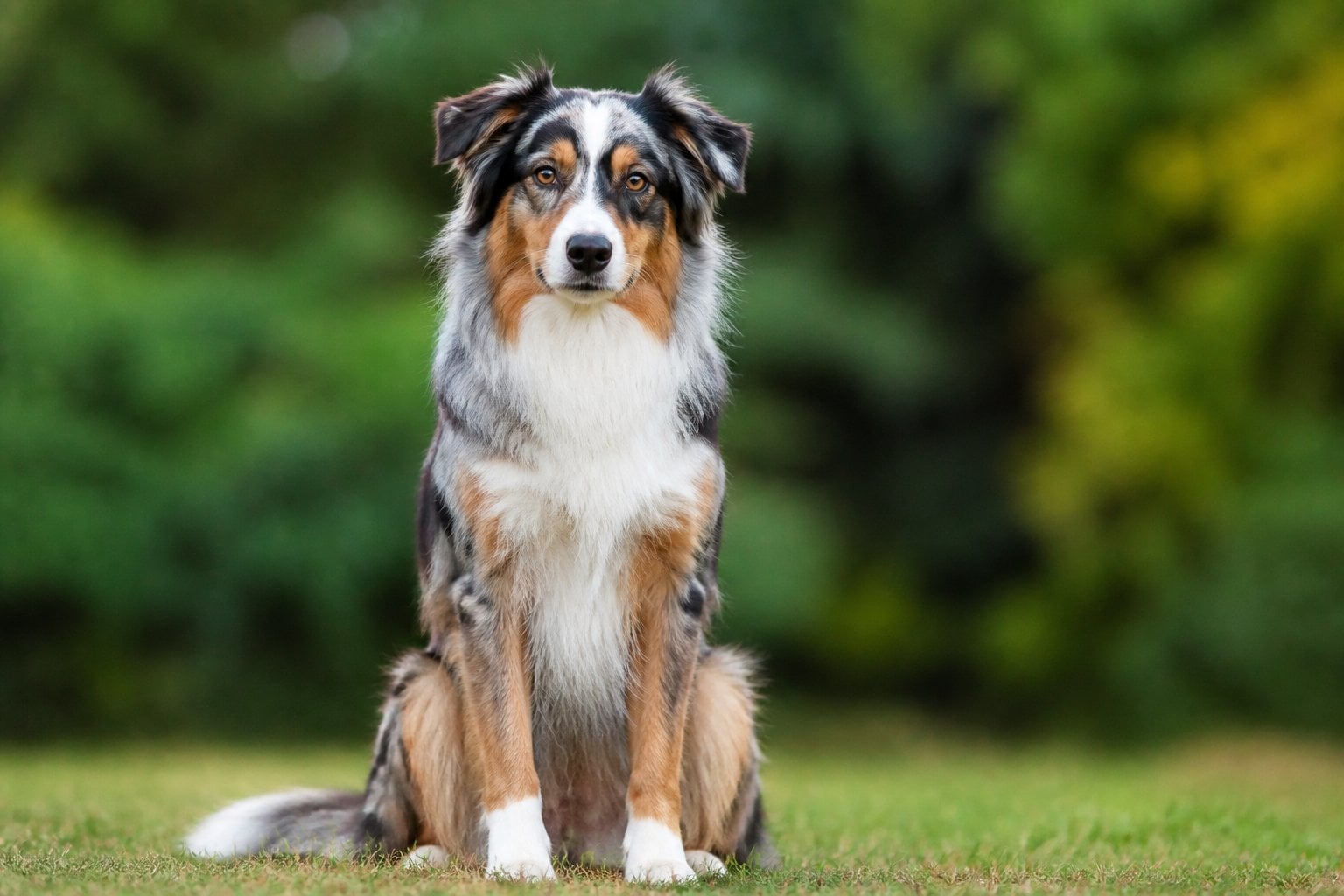
Australian Shepherds demand significant time and energy commitments that can overwhelm first-time dog owners. These highly intelligent herding dogs require extensive daily exercise, often needing two or more hours of physical activity to prevent destructive behaviors.
Their intelligence means they need constant mental stimulation through training and puzzle toys. Without proper engagement, they may develop problem behaviors like excessive barking or nipping at family members’ heels due to their herding instincts.
Australian Shepherds form strong bonds with their owners but require consistent, experienced training from the start. Their high energy levels and working dog mentality make them better suited for active owners with previous dog handling experience.
You’ll also need to manage their grooming needs, as their double coat requires regular brushing. These dogs thrive with jobs to do and structured routines that novice owners may struggle to provide consistently.
15. Weimaraner
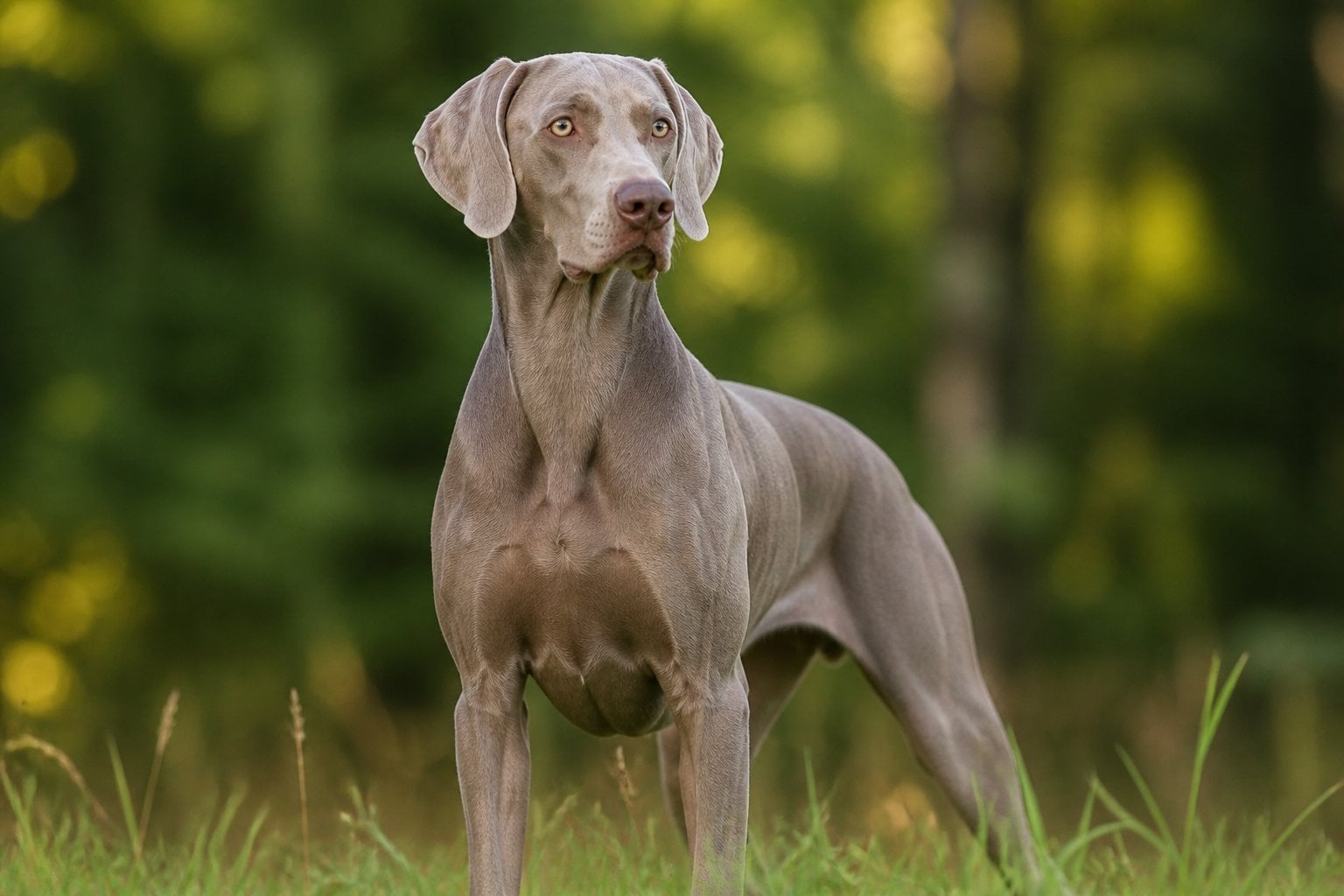
The Weimaraner demands an experienced handler who can manage their high energy levels and strong-willed temperament. You’ll find this breed requires extensive daily exercise and mental stimulation that goes far beyond a simple walk around the block.
These dogs form intense bonds with their owners and follow them constantly, earning the nickname “Gray Ghost.” This attachment can lead to severe separation anxiety if you’re away from home frequently.
Weimaraners possess high intelligence but use it to test boundaries and make independent decisions. You need firm, consistent training from day one to establish leadership.
Their energy seems endless, with virtually no off switch throughout the day. First-time owners often underestimate the time commitment required to properly exercise and train this breed. Without adequate outlets for their energy, Weimaraners become destructive and develop behavioral problems.
16. Borzoi
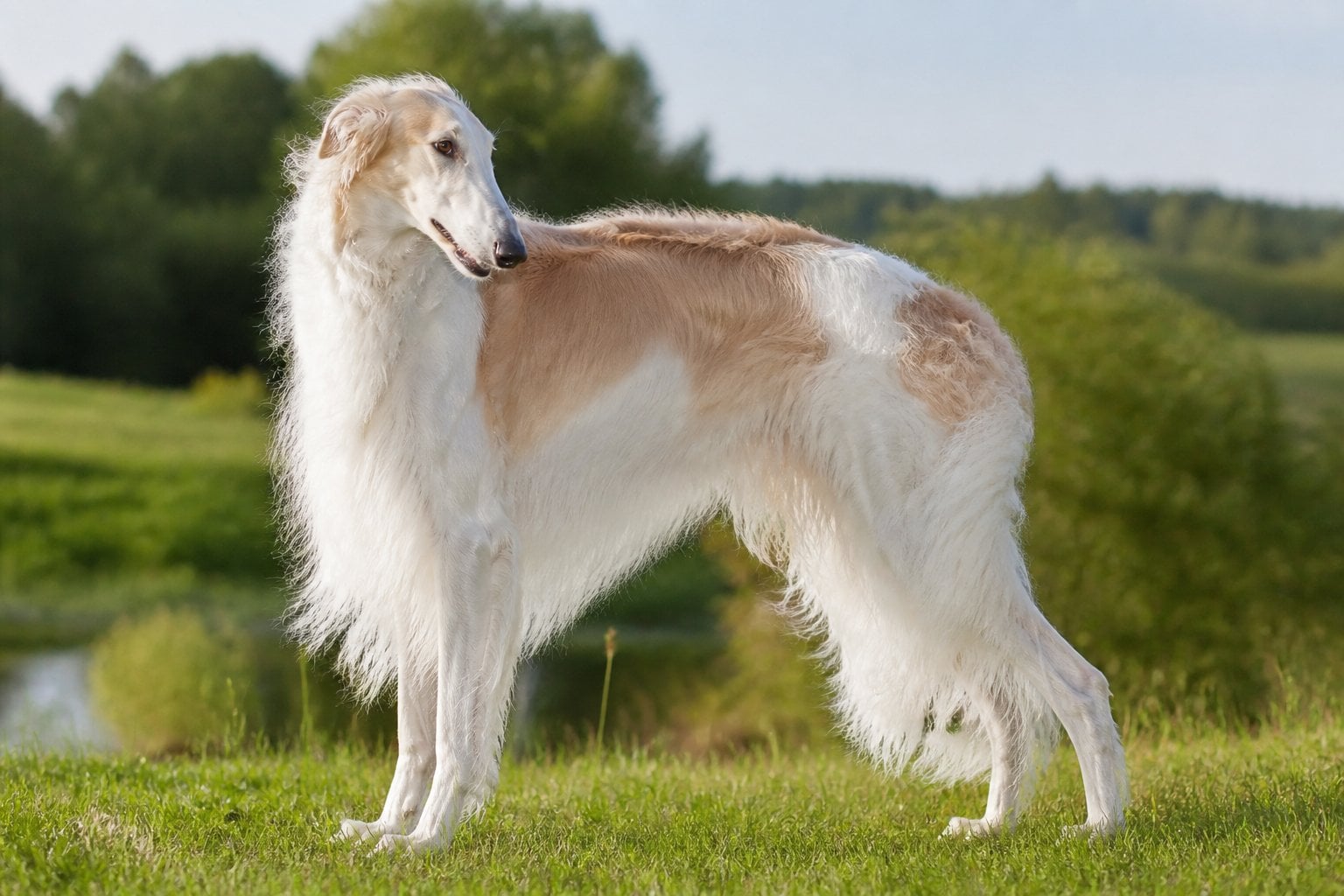
The Borzoi is a challenging choice for first-time dog owners due to their independent nature and strong prey drive. These elegant sighthounds were bred to hunt wolves, which means they have deep-rooted instincts that can be difficult to manage without experience.
You’ll find that Borzois are notoriously stubborn and often indifferent to training. They respond poorly to repetitive commands and require patient, consistent handling that novice owners may struggle to provide.
Their sensitivity makes them unsuitable for households with young children or chaotic environments. Borzois need calm, predictable routines and don’t tolerate harsh corrections well.
You should also consider their exercise needs carefully. While they appear calm indoors, they require secure, spacious areas to run. Their chase instinct means they cannot be trusted off-leash in unfenced areas, as they’ll pursue small animals without hesitation.
17. Irish Wolfhound
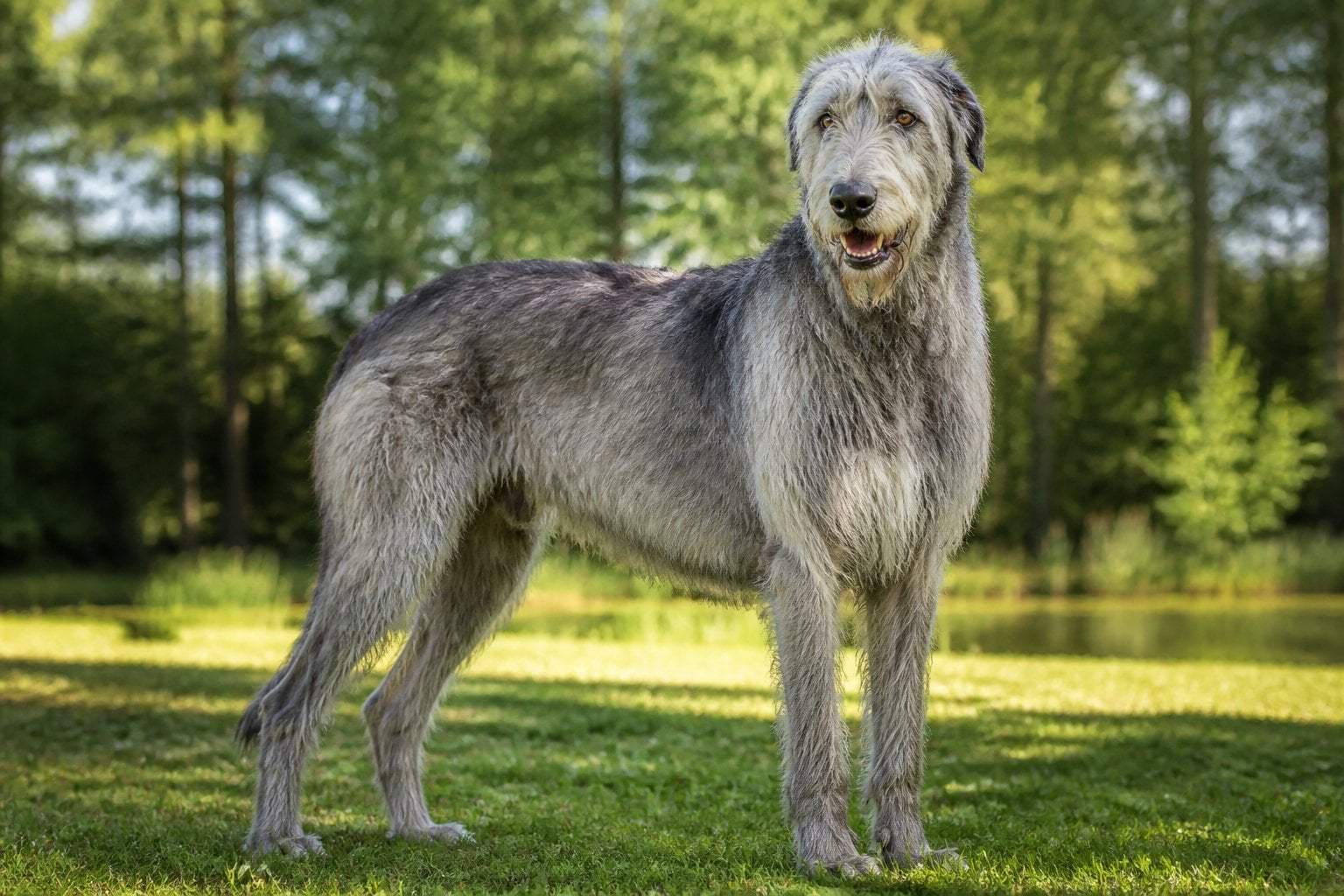
Irish Wolfhounds are the tallest dog breed, standing over 30 inches tall. Their massive size creates significant challenges for first-time owners who may underestimate the space and resources required.
You’ll need to manage substantial food costs and veterinary expenses, as medications and treatments are dosed by weight. Their large frame makes them difficult to physically control if they haven’t been properly trained from puppyhood.
Despite their gentle temperament, Irish Wolfhounds have a relatively short lifespan of 6-8 years. This breed requires consistent training and socialization early on, which demands experience you may not yet have as a new owner.
Their exercise needs are moderate but must be carefully monitored during growth to prevent joint problems. You’ll also face challenges with transportation and finding accommodations that accept giant breeds.
18. Great Pyrenees
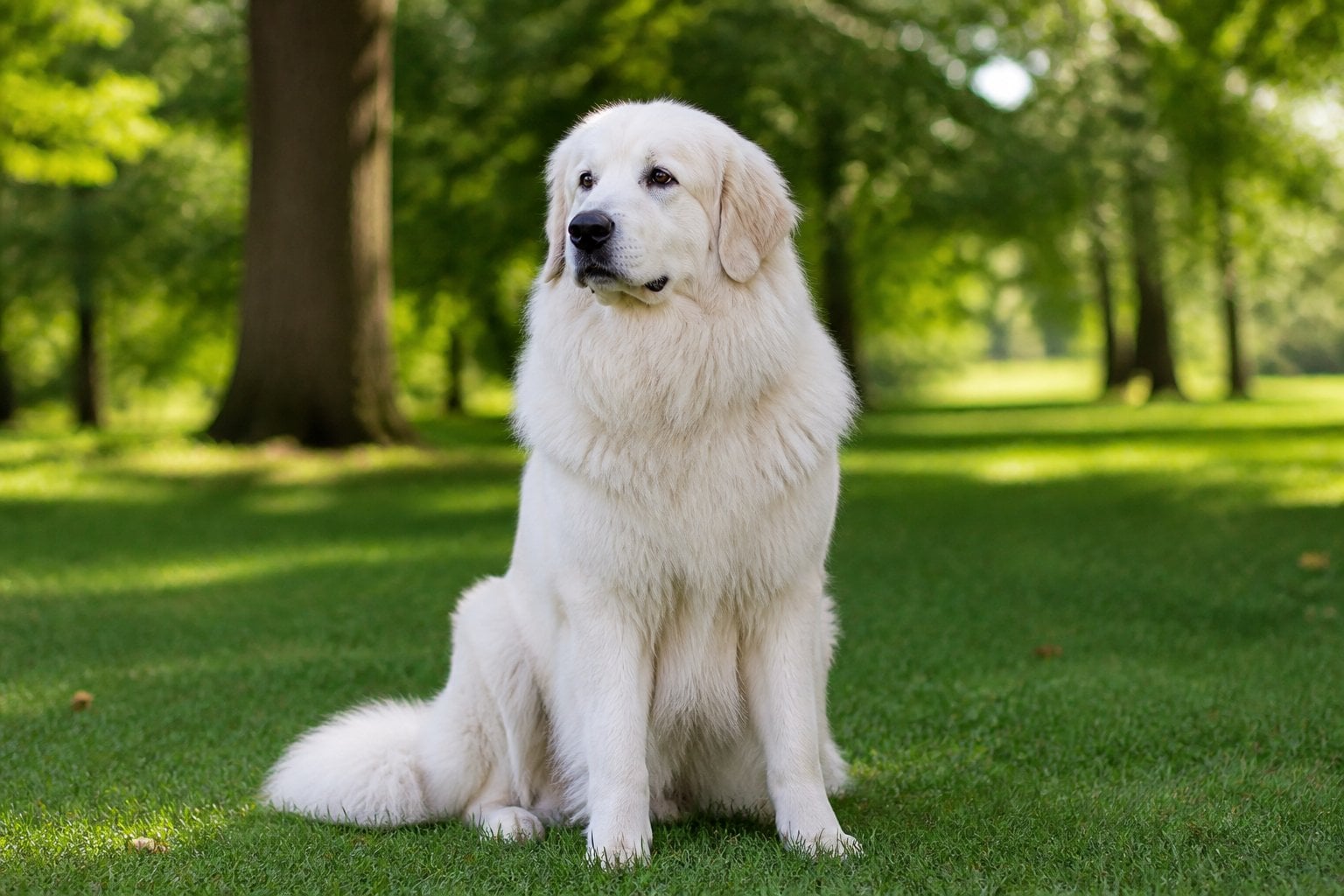
The Great Pyrenees presents significant challenges for inexperienced dog owners. These large, independent dogs were bred to guard livestock in mountainous terrain, which means they have strong protective instincts and a stubborn streak.
You’ll need to deal with their tendency toward excessive barking, as they’re naturally vigilant and vocal. They also have a strong wandering instinct and may try to patrol beyond your property boundaries.
Their thick white coat requires regular grooming to prevent matting. The Great Pyrenees thrives in suburban or rural settings with space to roam, making them poorly suited for apartment living.
Training can be difficult because of their independent nature. They need extensive early socialization to prevent possessive or aggressive behaviors. Without proper training and an experienced handler, these dogs can become challenging to manage.
19. Bullmastiff
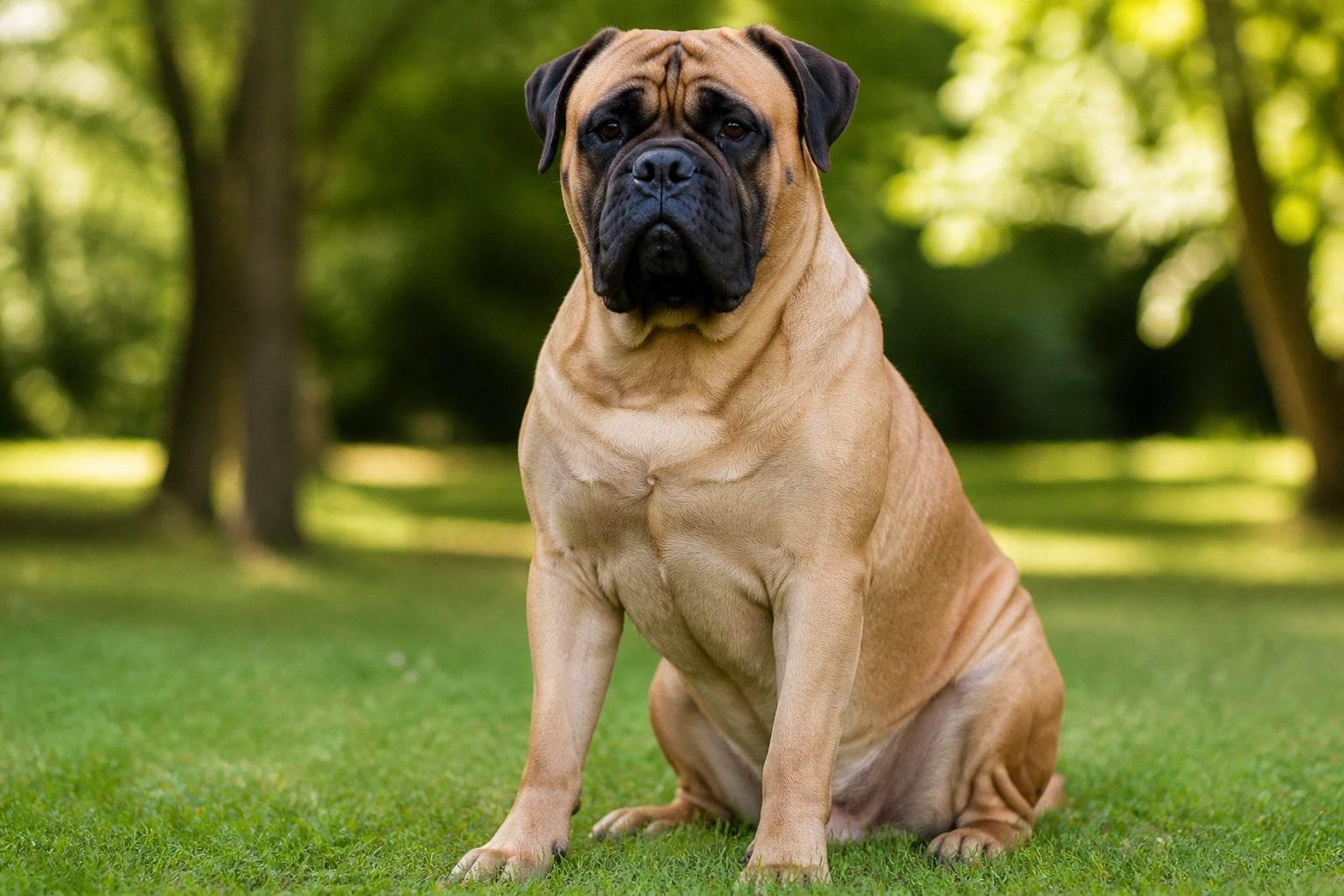
Bullmastiffs present a challenging combination for inexperienced dog owners. These large, powerful dogs were originally bred as guard dogs, and that protective instinct remains strong today.
Their size alone requires an owner who can physically manage a dog that can weigh up to 130 pounds. You’ll need to establish firm leadership early, as Bullmastiffs can be stubborn and independent during training sessions.
Their temperament creates unique contradictions. While they’re typically gentle with family members and children, they remain naturally suspicious of strangers and highly protective of their territory. This means you’ll need extensive socialization from puppyhood to prevent aggressive or overprotective behaviors.
Bullmastiffs also require someone who understands their specific training needs. They don’t respond well to repetitive commands and need patient, consistent handling. Without proper guidance and experience, their guardian instincts can become problematic rather than protective.
20. Saint Bernard
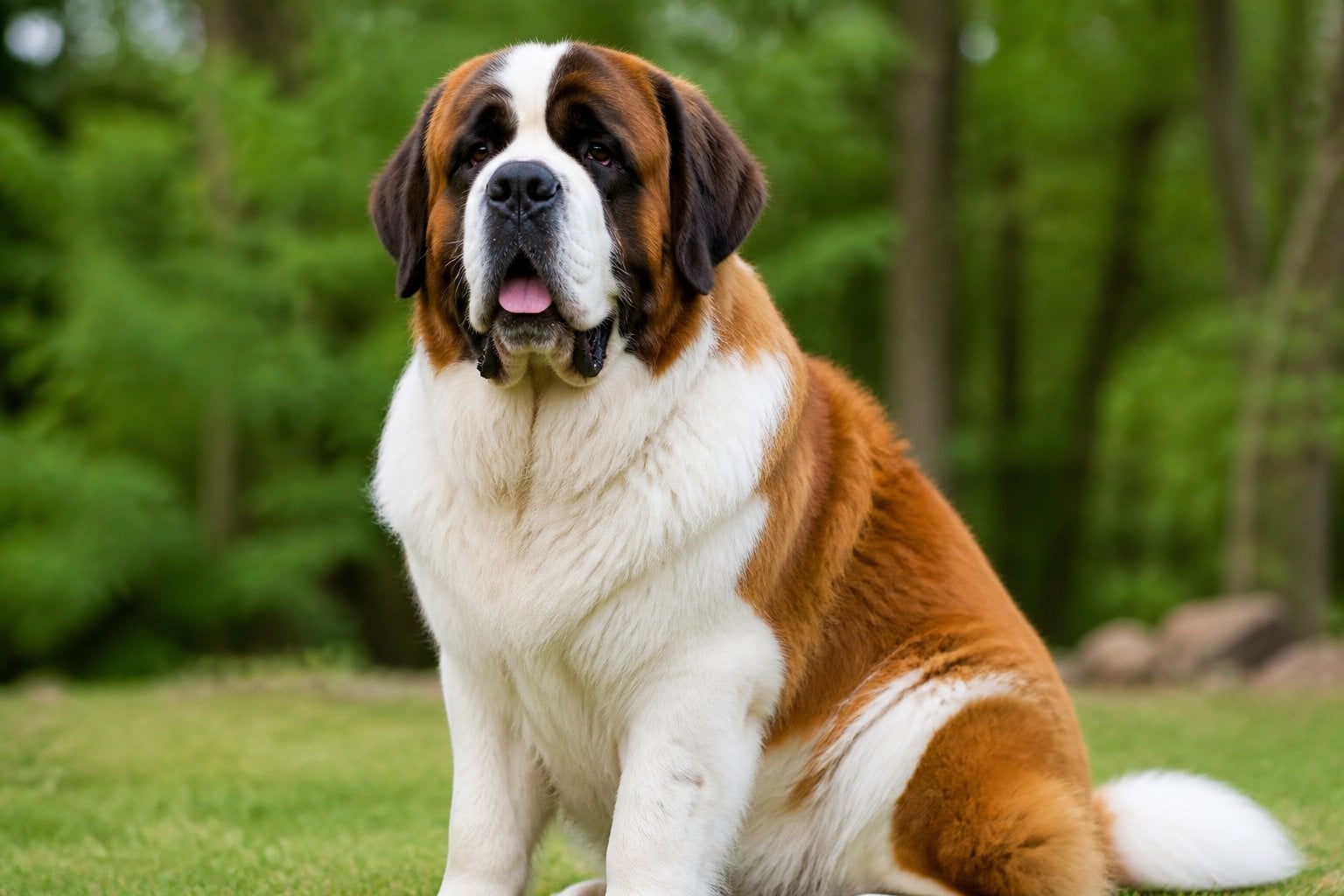
Saint Bernards present considerable challenges for first-time dog owners due to their massive size and strength. These gentle giants can weigh between 120 to 180 pounds, making them difficult to control if not properly trained from puppyhood.
Their grooming needs are substantial. You’ll need to manage heavy shedding year-round and deal with excessive drooling, which requires constant cleanup around your home.
Space requirements make Saint Bernards impractical for apartment living. They need room to move comfortably and can accidentally knock over furniture or small children simply by turning around.
Health concerns include a shorter lifespan of 8-10 years and susceptibility to joint problems, bloat, and heart conditions. Veterinary costs can be significant given their size and breed-specific health issues.
Training requires consistency and early socialization to manage their protective instincts appropriately.
21. Neapolitan Mastiff
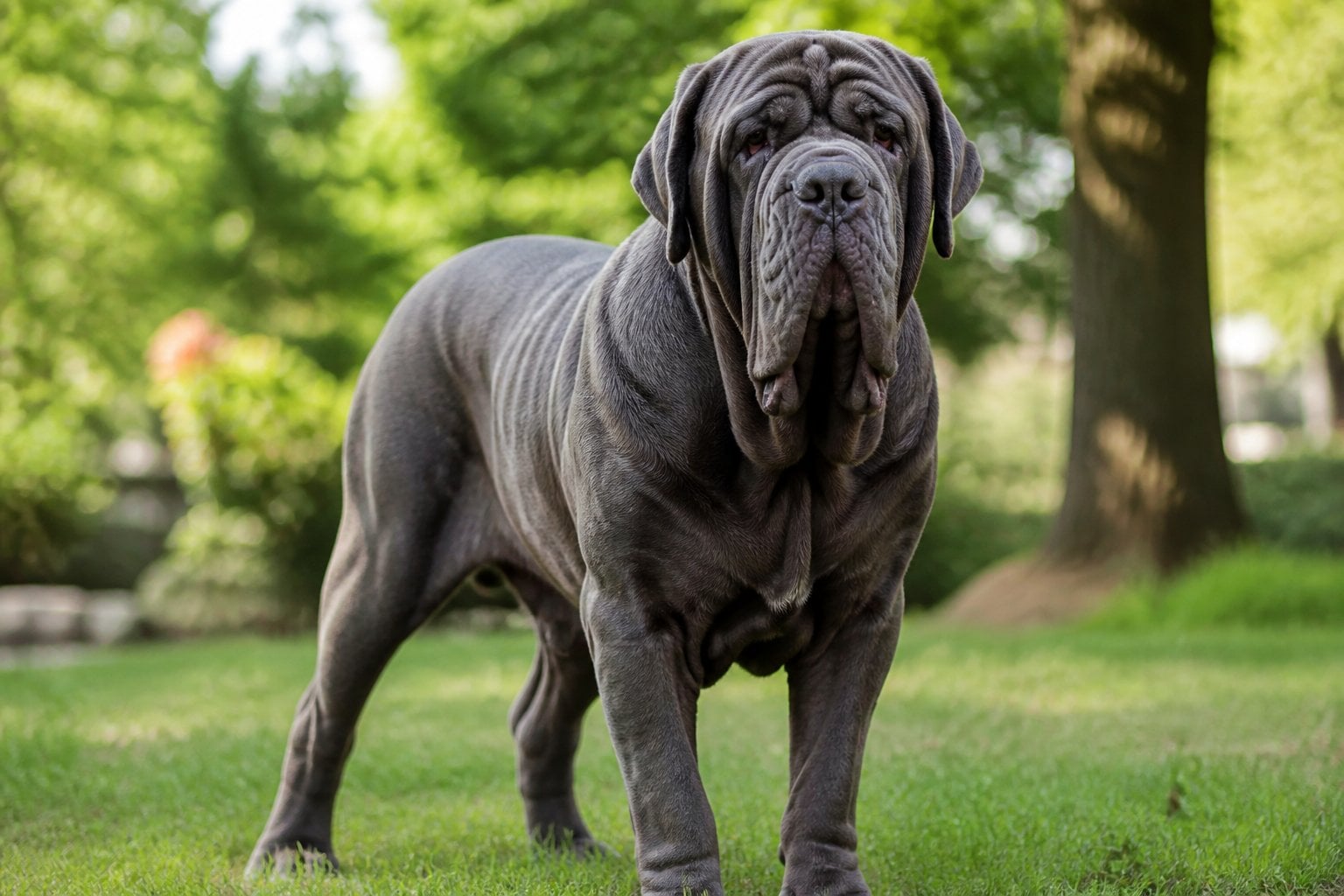
The Neapolitan Mastiff presents significant challenges for inexperienced dog owners. This massive breed typically weighs between 110 to 150 pounds and requires an owner who can physically manage their size and strength.
Their independent and sometimes stubborn nature makes training more difficult compared to other breeds. You’ll need to establish firm, consistent leadership from an early age, which requires experience and confidence.
Neapolitan Mastiffs drool excessively and require regular cleaning of their facial wrinkles to prevent skin infections. They also need substantial food quantities and potential medical care, making them expensive to maintain.
Their protective instincts run deep, and without proper socialization, they can become overly territorial or wary of strangers. This breed demands significant time investment in training and socialization that first-time owners may not be prepared to provide.
22. Boxer
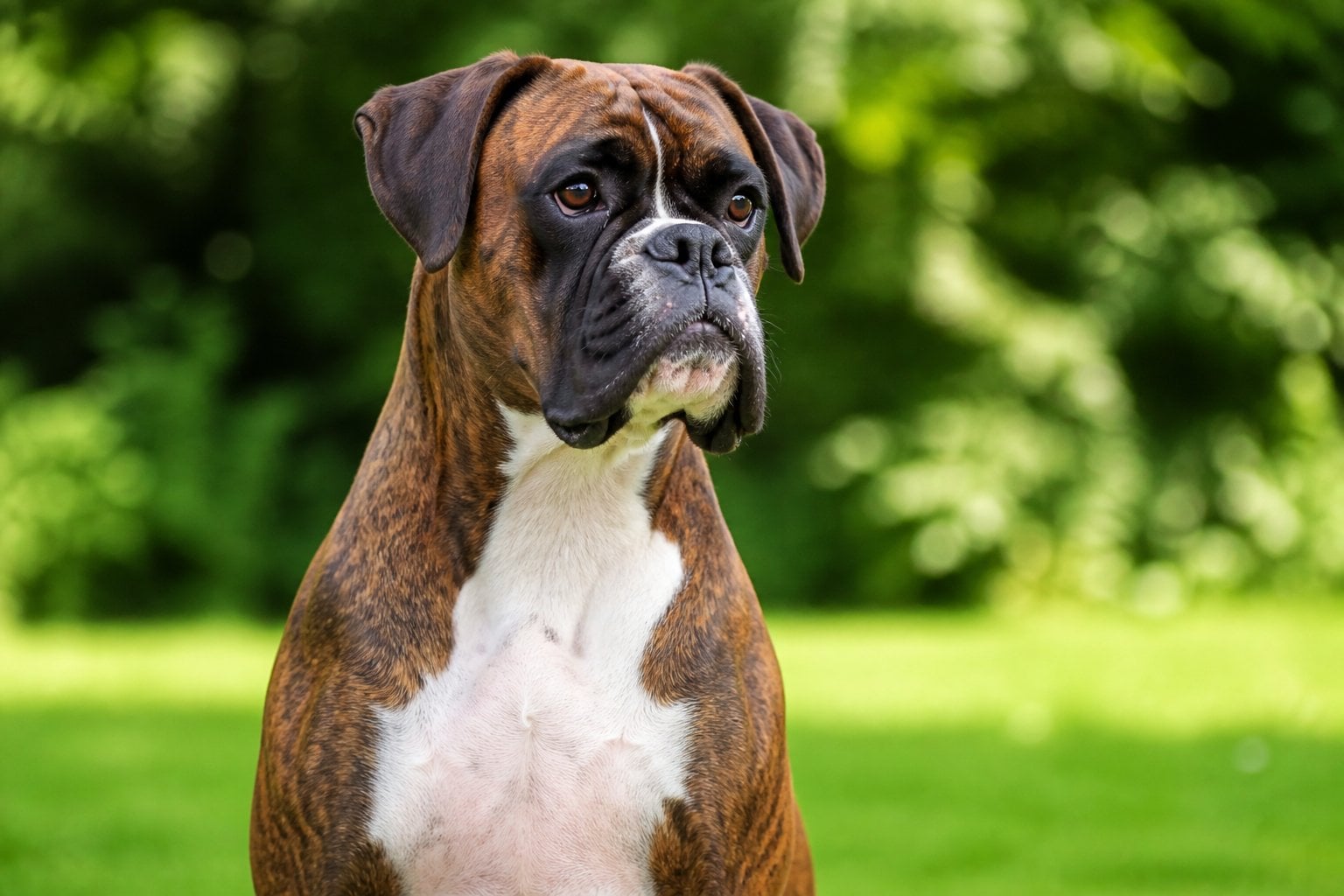
Boxers require significant energy management and consistent training that can overwhelm inexperienced owners. These muscular dogs were originally bred in 19th-century Germany for working purposes, which means they have strong instincts and high exercise needs.
You’ll need to provide at least an hour of vigorous daily activity to keep your Boxer physically and mentally satisfied. Without proper outlets, they become destructive and develop behavioral problems.
Their exuberant, jumpy nature can be challenging to control without firm, consistent training from the start. Boxers are also prone to stubbornness during training sessions, requiring patience and experience to handle effectively.
Health concerns add another layer of complexity. The breed faces potential issues including heart conditions, hip dysplasia, and cancer, which means you’ll need to budget for veterinary care and stay vigilant about their health needs.
23. Doberman Pinscher
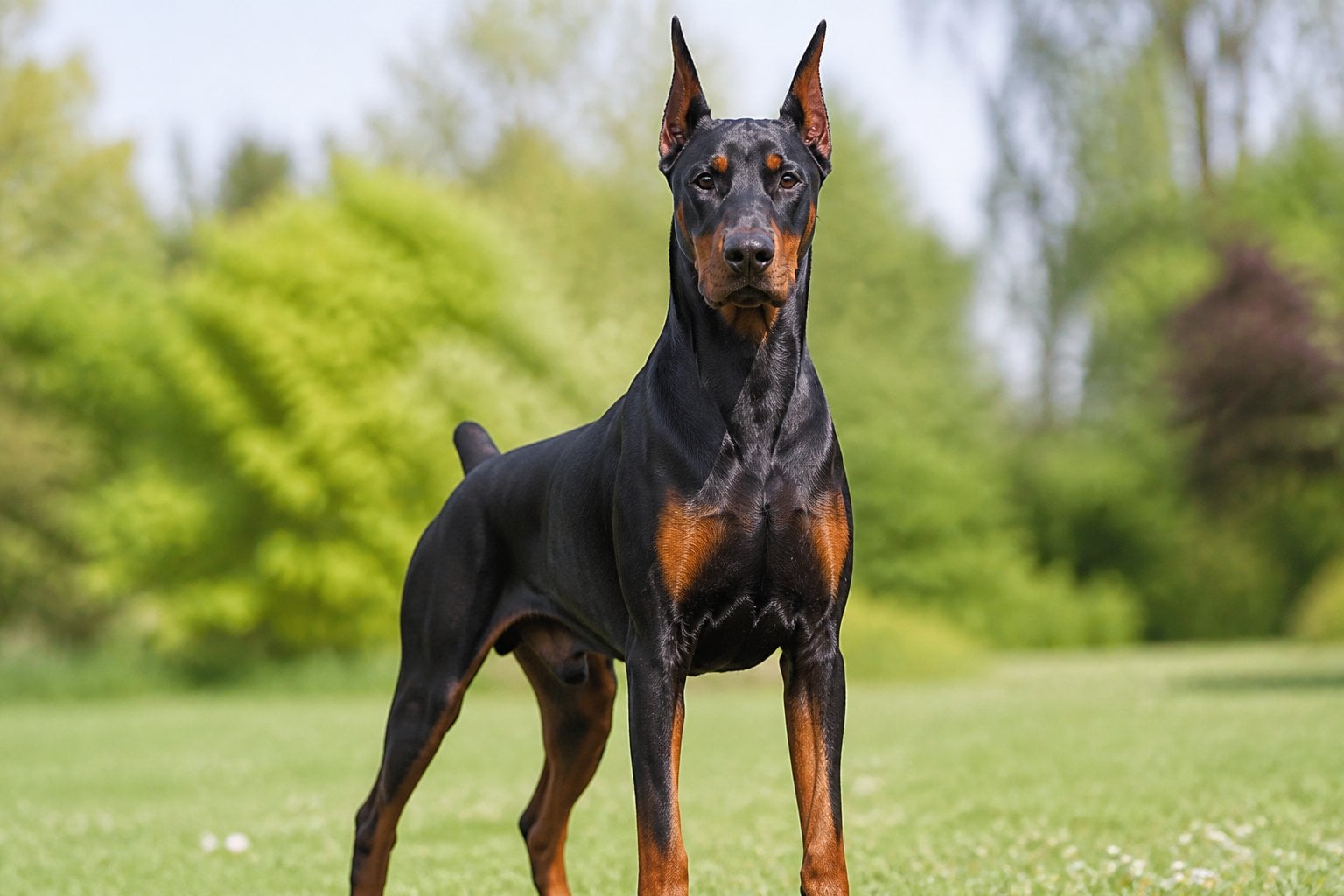
Doberman Pinschers are powerful, athletic dogs that require experienced handling. You’ll need to establish firm leadership from day one, as these intelligent dogs will test boundaries with inexperienced owners.
Their high energy levels demand significant daily exercise and mental stimulation. Without proper outlets, Dobermans can become destructive or develop behavioral problems that overwhelm new owners.
These dogs have strong protective instincts that need careful management through early socialization and consistent training. You must invest substantial time teaching appropriate responses to strangers and new situations.
Dobermans bond intensely with their families but can be aloof or suspicious of outsiders. Their size, strength, and assertive personality make them challenging for first-time owners who lack confidence in handling dominant breeds. They thrive with structure and clear expectations but can become unmanageable without proper guidance.
24. Tibetan Mastiff
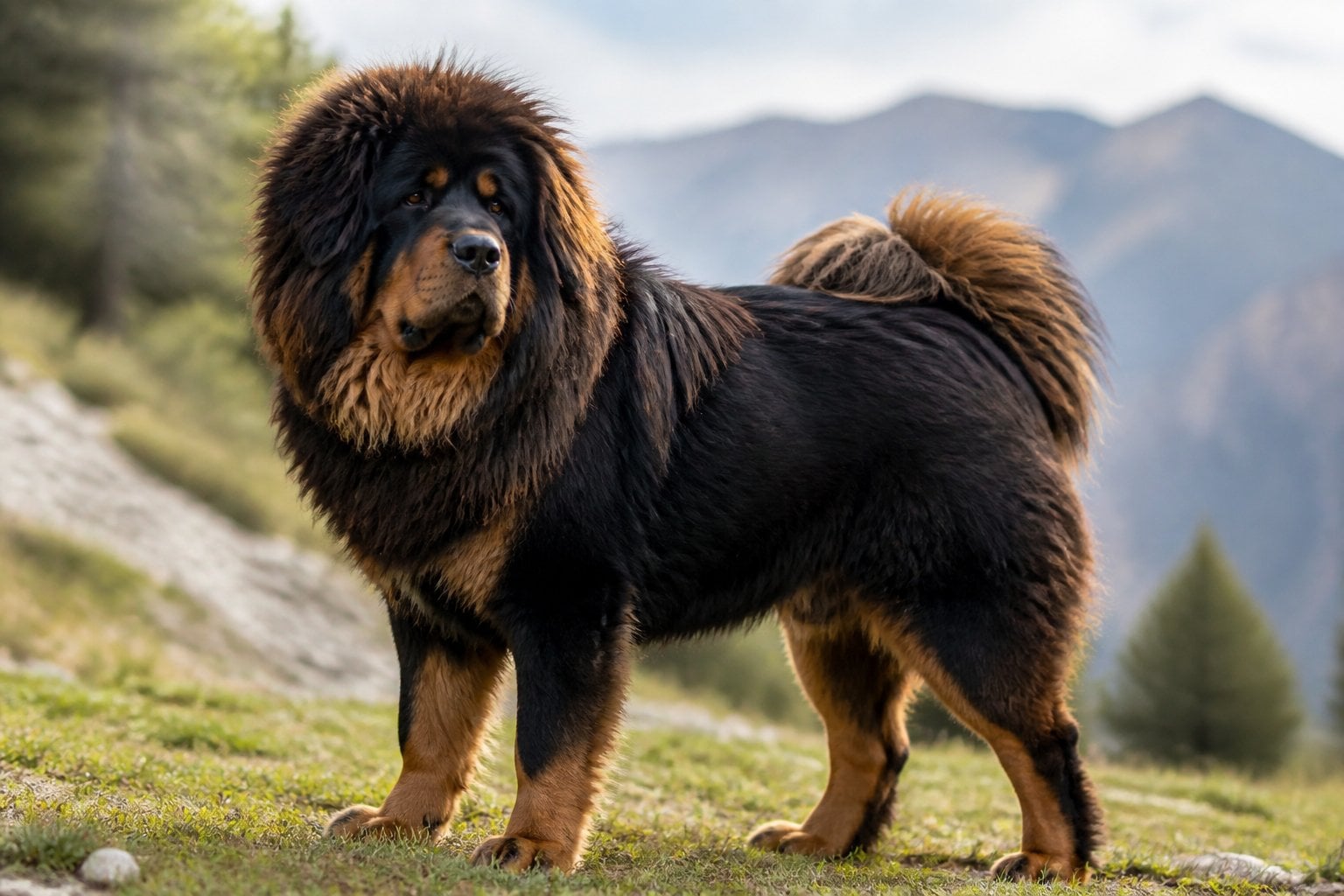
The Tibetan Mastiff presents significant challenges for inexperienced dog owners. This breed is known for its stubborn personality, which makes obedience and agility training considerably more difficult than with other dogs.
You’ll need to handle a large, independent-thinking animal that doesn’t naturally follow commands. These dogs were bred to guard livestock in the Himalayas, so they maintain strong protective instincts and territorial behavior.
Their size alone requires an owner who can physically manage and control them. The breed’s independent nature means they often make their own decisions rather than looking to you for guidance.
Training requires consistency, experience, and firm leadership that first-time owners typically haven’t developed yet. Without proper handling from the start, behavioral issues can quickly become unmanageable in a dog of this size and temperament.
25. Cane Corso
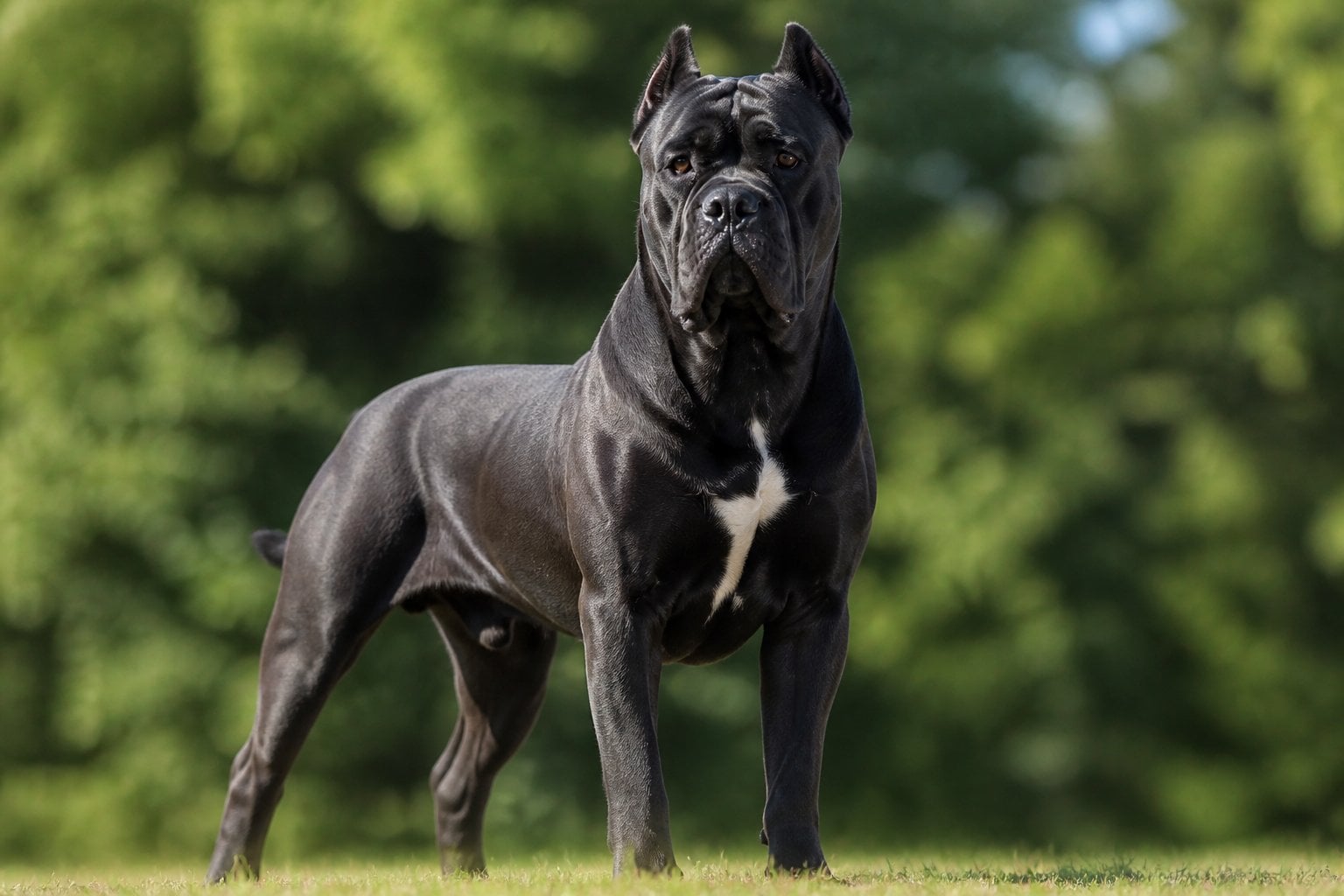
The Cane Corso’s protective instincts and imposing size make it a challenging choice for your first dog. This Italian mastiff breed requires experienced handling due to its strong-willed temperament and physical power.
You’ll need to provide consistent leadership and extensive early socialization to prevent over-protectiveness. Without proper training, these dogs can become difficult to manage, especially during walks where their strength can easily overpower you.
The breed thrives under owners who understand large, assertive dogs and can establish clear boundaries. If you lack dog training experience, you may struggle with their dominant personality and specific care requirements.
Your success with a Cane Corso depends heavily on your ability to provide firm, confident guidance from day one. These dogs need someone who can match their intensity with calm authority.
26. Basenji
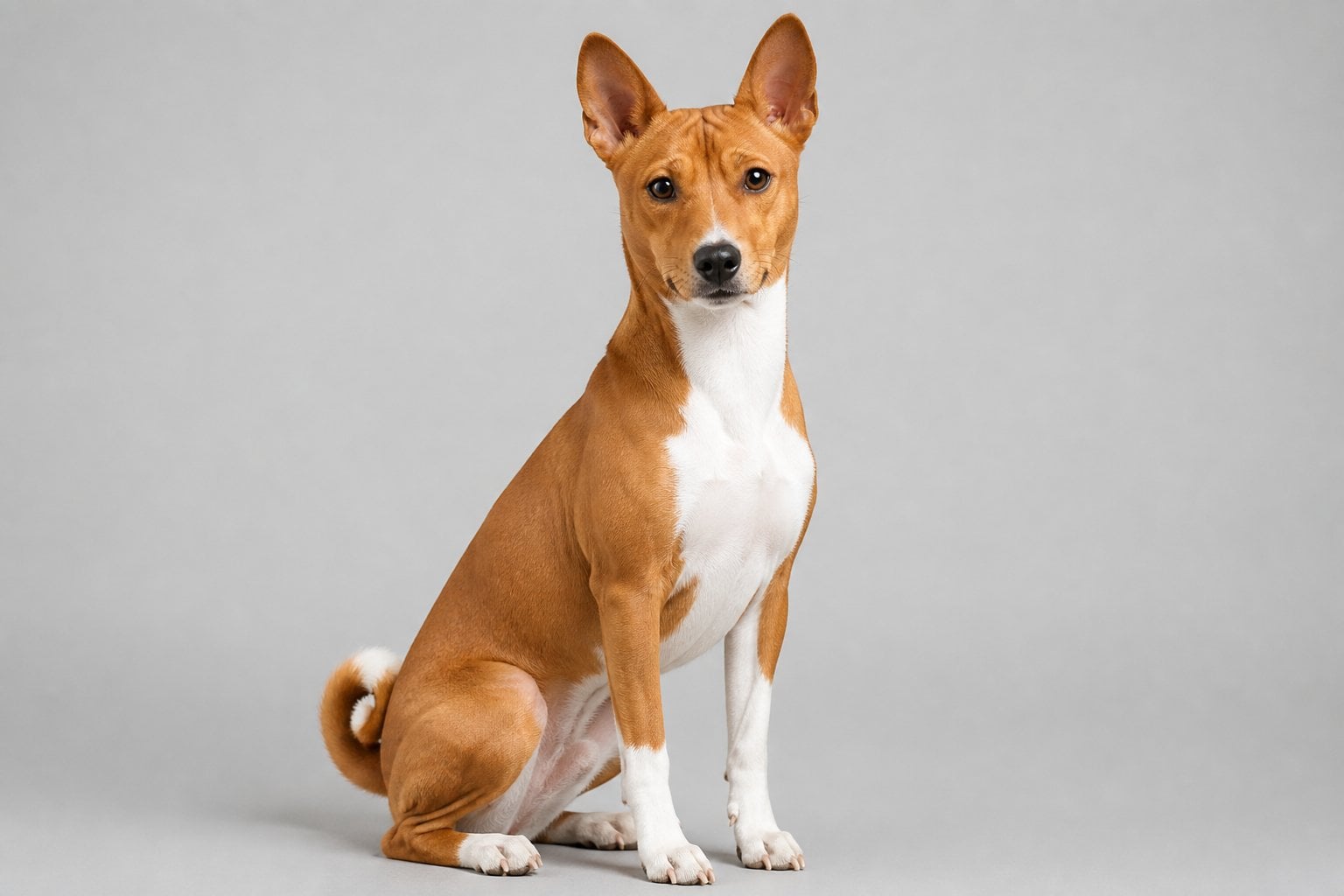
The Basenji presents unique challenges that can overwhelm first-time dog owners. This breed is notably independent and often compared to cats in their aloof temperament. They don’t respond well to traditional training methods due to their stubborn nature.
Basenjis are known for being extremely difficult to train. You’ll find they have a strong prey drive and will chase small animals without hesitation. Their intelligence works against inexperienced owners since they use it to outsmart you rather than please you.
These dogs require experienced handling and consistent boundaries. They’re also famous escape artists who can climb fences and find creative ways out of enclosed spaces. The Basenji’s vocal characteristics include yodeling sounds rather than typical barking, which can be startling if you’re unprepared for their unique communication style.
27. Viszla
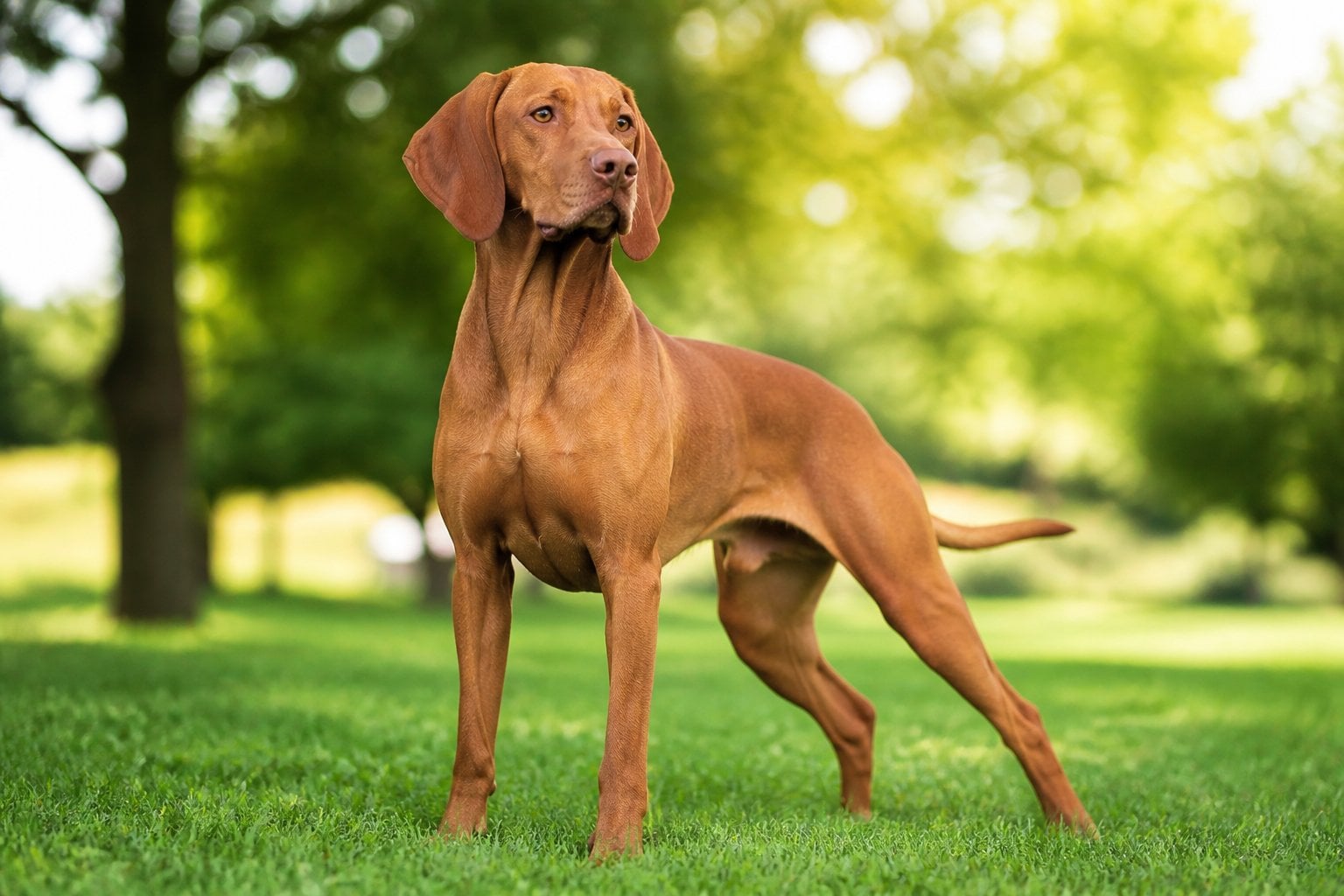
The Vizsla demands an exceptional amount of daily exercise and mental stimulation that can overwhelm first-time owners. This Hungarian hunting breed requires at least two hours of vigorous activity each day to prevent destructive behaviors from developing.
Vizslas form extremely strong bonds with their owners, which often leads to severe separation anxiety. You’ll find this breed struggles to be left alone for even short periods, potentially resulting in excessive barking, destructive chewing, and other stress-related behaviors.
Their high energy levels persist well into adulthood, unlike many breeds that settle down after puppyhood. Without proper outlets for their energy, Vizslas become difficult to manage indoors.
Training requires consistency and experience, as these intelligent dogs can become stubborn without firm guidance. The breed’s sensitive nature means harsh corrections backfire, making effective training a delicate balance that challenges inexperienced handlers.
28. Pointer (English Pointer)
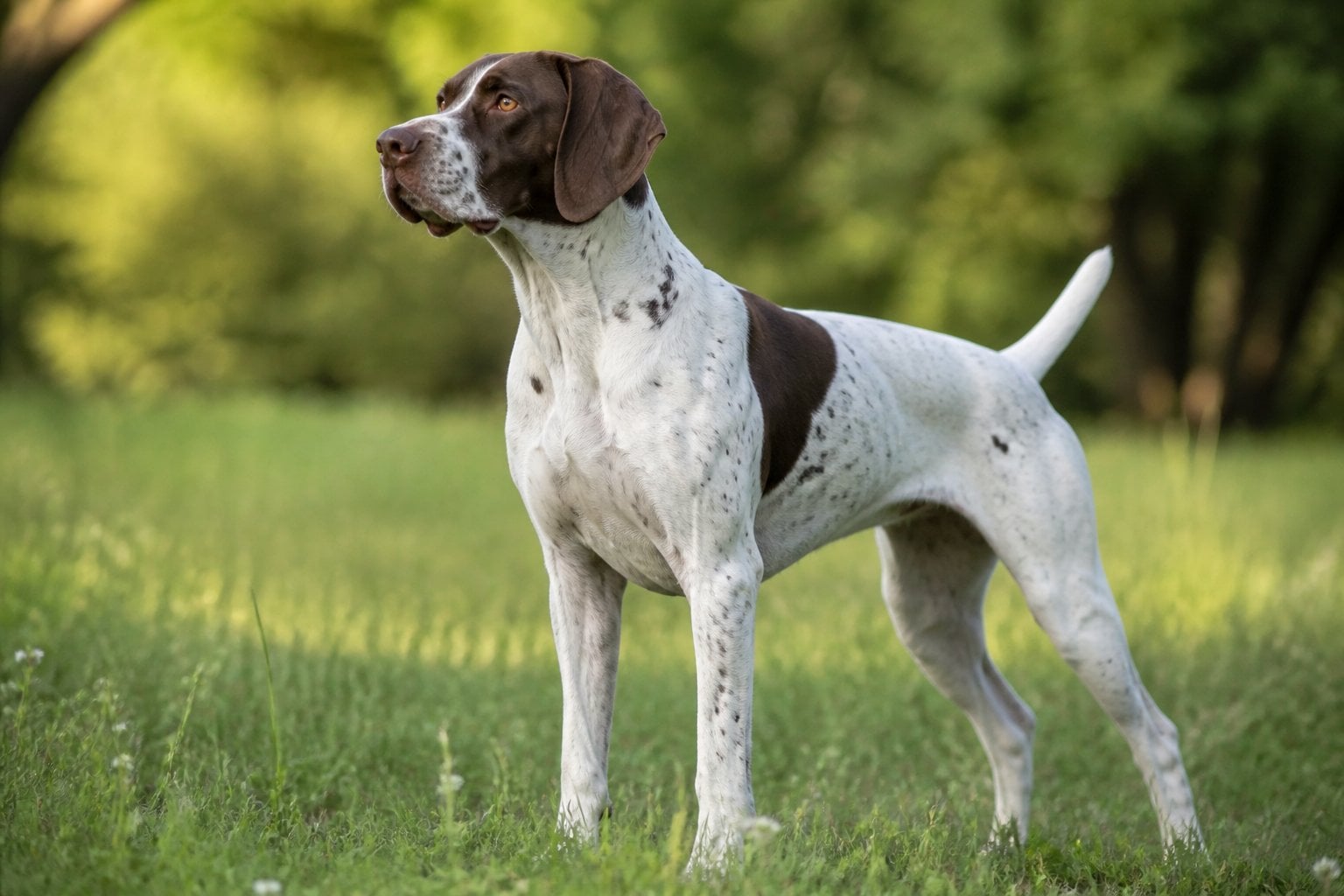
English Pointers are bred to hunt for hours across open terrain, which means they require significant daily exercise. If you can’t commit to at least two hours of vigorous activity per day, this breed will become restless and potentially destructive in your home.
Their strong hunting instincts make them prone to chasing birds, squirrels, and other small animals. You’ll need to work extensively on recall training, and even then, their prey drive may override your commands.
Pointers form strong bonds with their families but need consistent training from the start. They can be stubborn and independent thinkers, which challenges inexperienced owners who lack confidence in training techniques.
Without adequate mental and physical stimulation, English Pointers develop behavioral issues like excessive barking, digging, and hyperactivity. Their energy levels and specific exercise needs make them better suited for experienced owners with active lifestyles.
29. Greyhound (retired racer)
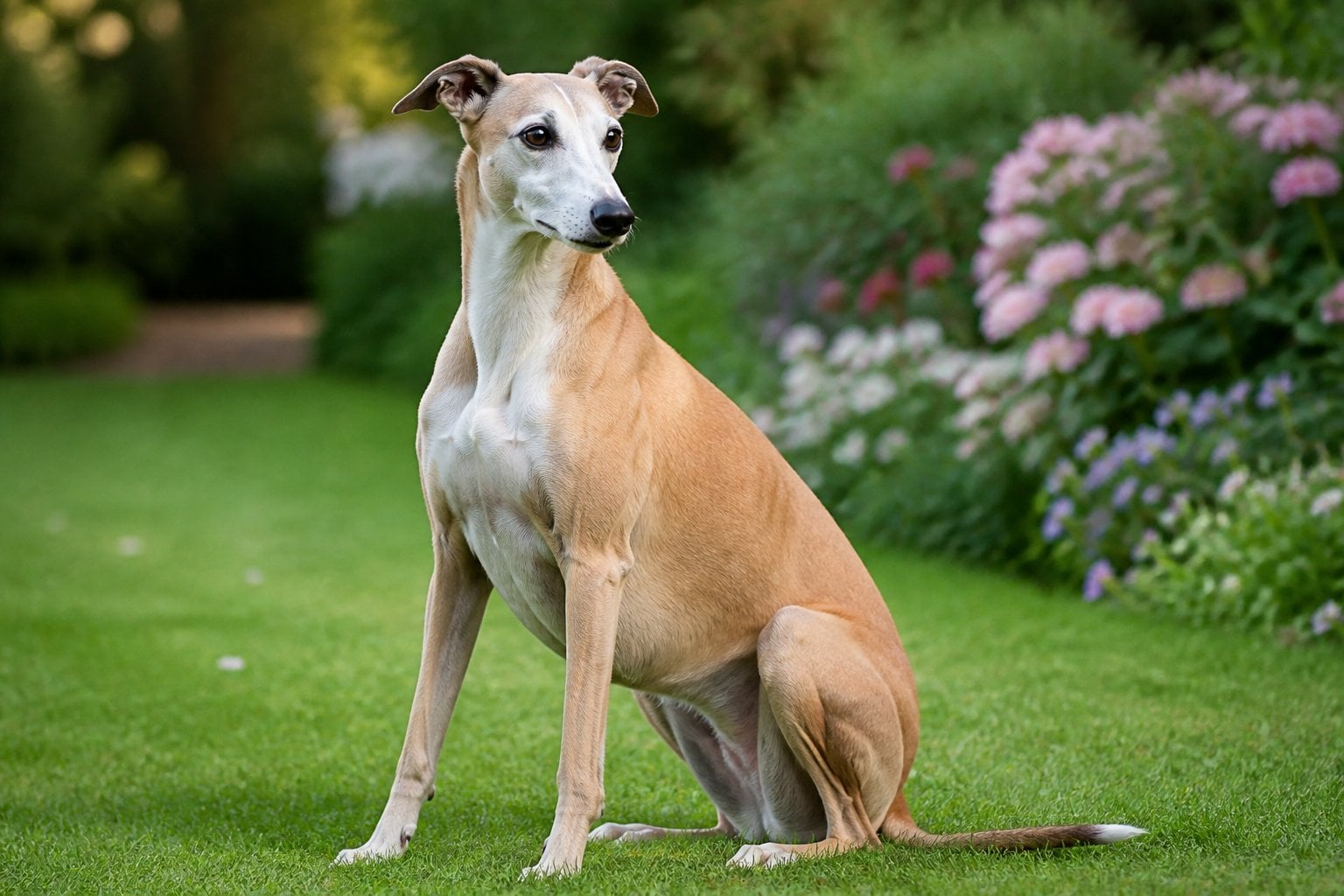
Retired racing greyhounds present unique challenges for first-time owners despite their calm demeanor. These dogs have spent their early lives in kennel environments with rigid routines and may have never experienced typical household situations like stairs, windows, or other pets.
You’ll need patience to help them adjust to home life. Many retired racers have strong prey drives from their racing background, making them difficult to manage around small animals.
Their thin skin tears easily, and they’re sensitive to extreme temperatures, requiring special care. These dogs also need secure fencing since they can reach speeds of 45 mph and may bolt after perceived prey.
While greyhounds are gentle and quiet indoors, their specific rehabilitation needs and adjustment period require experience that first-time owners typically lack.
30. Samoyed
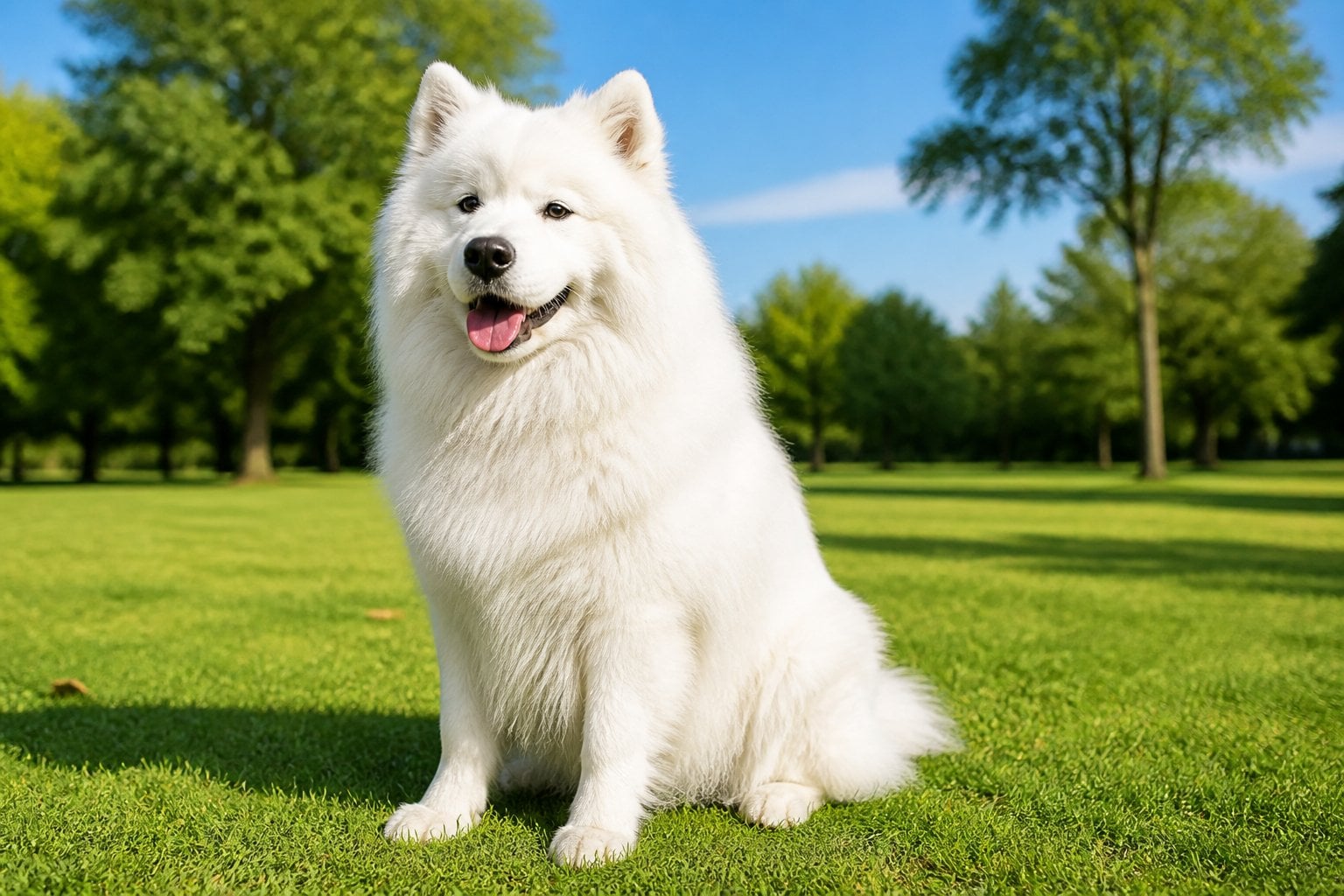
Samoyeds are stunning dogs with thick white coats and friendly personalities, but they present several challenges for first-time owners. Their double coat requires extensive grooming, including daily brushing to prevent matting and manage heavy shedding.
These dogs were bred for working in harsh climates and have high energy levels that demand significant daily exercise. Without proper physical and mental stimulation, Samoyeds can become destructive and develop problem behaviors.
They are independent thinkers with a stubborn streak, which makes training more difficult for inexperienced handlers. Samoyeds also tend to be vocal dogs, often barking or howling to communicate.
Their social nature means they don’t tolerate being left alone for long periods. You’ll need to invest considerable time in grooming, training, and companionship to keep a Samoyed happy and well-adjusted.
Common Characteristics That Challenge New Dog Owners
Certain traits consistently make dogs difficult for inexperienced owners to manage. Understanding these characteristics helps you recognize why specific breeds require advanced handling skills.
High Energy and Exercise Needs
Dogs bred for working, hunting, or herding typically demand 2-3 hours of vigorous exercise daily. Breeds like Border Collies, Australian Shepherds, and Belgian Malinois need structured activities beyond simple walks.
Without adequate physical and mental stimulation, high-energy dogs develop destructive behaviors. They may chew furniture, dig holes, bark excessively, or attempt to escape your yard.
Common signs of under-exercised dogs include:
- Pacing and restlessness indoors
- Attention-seeking behaviors like jumping or nipping
- Difficulty settling down or sleeping
- Hyperactivity during training sessions
You’ll need flexibility in your schedule to accommodate these demands. A 20-minute neighborhood walk won’t satisfy breeds developed to work livestock for hours or hunt across vast terrain.
Tendency Toward Aggression or Dominance
Some breeds exhibit strong guarding instincts or dominant personalities that require experienced handling. Dogs like Akitas, Rottweilers, and Chow Chows often challenge authority and test boundaries consistently.
These breeds need owners who establish clear leadership without harsh methods. You must recognize early warning signs of resource guarding, territorial behavior, or same-sex aggression.
Protection breeds can misinterpret normal situations as threats. Your mail carrier, guests, or other dogs may trigger defensive responses if you haven’t properly socialized and trained your dog from puppyhood.
Stubbornness and Training Difficulty
Independent breeds were developed to make decisions without human direction. Basset Hounds, Afghan Hounds, and Siberian Huskies often ignore commands they find irrelevant.
You’ll face longer training timelines with stubborn breeds. Tasks that take three weeks with a Golden Retriever might require three months with an independent thinker. These dogs understand commands but choose when to comply based on their own assessment of the situation.
Scent hounds lose focus completely when they catch an interesting smell. Northern breeds like Huskies are notorious escape artists who won’t reliably come when called, making off-leash activities risky or impossible.
How Environment and Lifestyle Influence Breed Suitability
Your living situation and daily routine directly determine which dog breeds will thrive under your care. A mismatch between your environment and a breed’s natural requirements creates stress for both you and the dog.
Space Requirements for Larger Breeds
Large and giant breeds need adequate physical space to move comfortably and maintain their health. Breeds like Great Danes, Saint Bernards, and Mastiffs require room to stretch, turn around, and navigate without bumping into furniture or walls.
Apartment living presents challenges for breeds over 70 pounds. These dogs struggle in confined spaces where they cannot exercise properly indoors during bad weather or when outdoor access is limited. You’ll face additional difficulties if you live in a building without an elevator or have stairs as your only access point.
Key space considerations include:
- Indoor movement area for daily activity
- Outdoor access for exercise and bathroom breaks
- Storage for large beds, crates, and supplies
- Vehicle size for transportation to vet appointments
High-energy working breeds like Border Collies and Belgian Malinois need more than just square footage. They require dedicated outdoor areas where they can run, play, and engage in mentally stimulating activities. A small yard or no yard at all leaves these breeds under-exercised and prone to destructive behaviors.
Compatibility With Children and Other Pets
Your household composition affects which breeds will integrate successfully into your family. Dogs with low tolerance for noise, sudden movements, or unpredictable behavior struggle in homes with young children.
Breeds with strong prey drives, including many terriers and hunting dogs, pose risks to cats, small dogs, and other household pets. Huskies and Akitas often view smaller animals as prey rather than companions. You cannot reliably train out these instinctive behaviors in most cases.
Guard breeds like Rottweilers and Dobermans require experienced handling around children. Their protective nature and size create situations where accidental injuries occur during play. Some breeds lack the patience for a child’s grabbing, loud noises, or invasion of personal space.
Breeds with child compatibility concerns:
- Chow Chows (territorial, aloof)
- Dalmatians (high energy, can be nippy)
- Australian Cattle Dogs (herding instinct includes nipping)
If you have existing pets, your new dog’s socialization history and breed temperament matter significantly. Fighting breeds and those bred for animal work need careful introduction protocols you may not know how to implement as a first-time owner.


