13 Small Dogs That Won’t Drive You Crazy With Barking
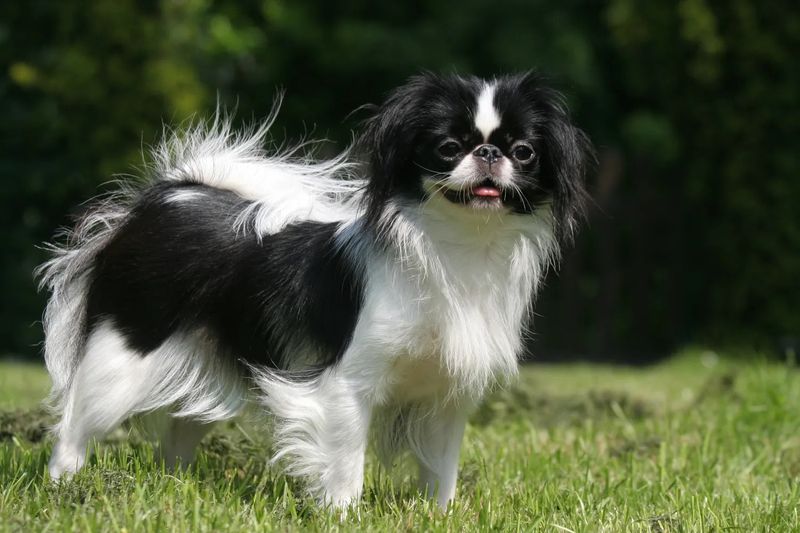
Looking for a pint-sized companion without the ear-splitting soundtrack? Small dogs often get a bad rap for being noisy, but not all little pups are barking machines.
Some small breeds are naturally quieter and more laid-back, making them perfect apartment dwellers or peaceful household companions.
Here’s our handpicked list of small dogs who prefer to keep their thoughts to themselves rather than announce them to the entire neighborhood.
1. Cavalier King Charles Spaniel
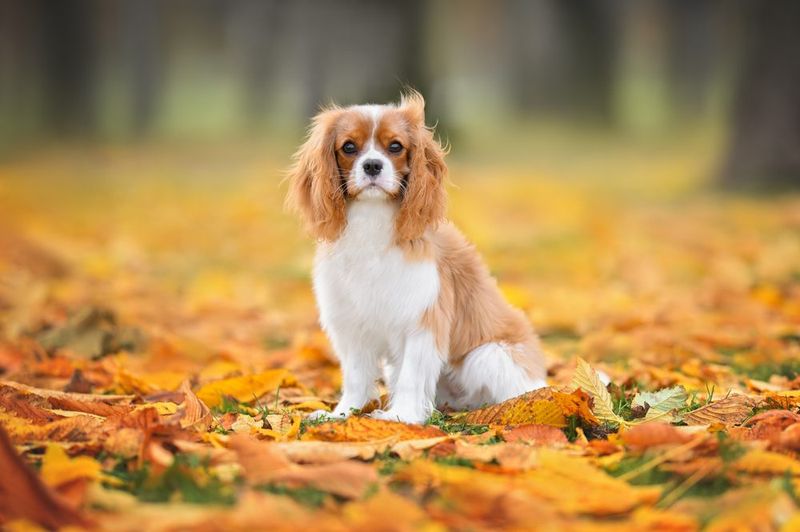
Royally relaxed and naturally gentle, Cavalier King Charles Spaniels communicate more with soulful eyes than with their voices. These aristocratic pups were bred to warm laps in castles, not to alert guards of intruders.
They typically only bark when truly necessary, preferring to express joy through tail wags and cuddles. Their adaptable nature means they’re content in apartments or houses, busy families or with seniors.
Fun fact: Despite their British name and heritage, these dogs were actually saved from extinction by an American dog enthusiast in the 1920s when the breed was declining in England.
2. French Bulldog
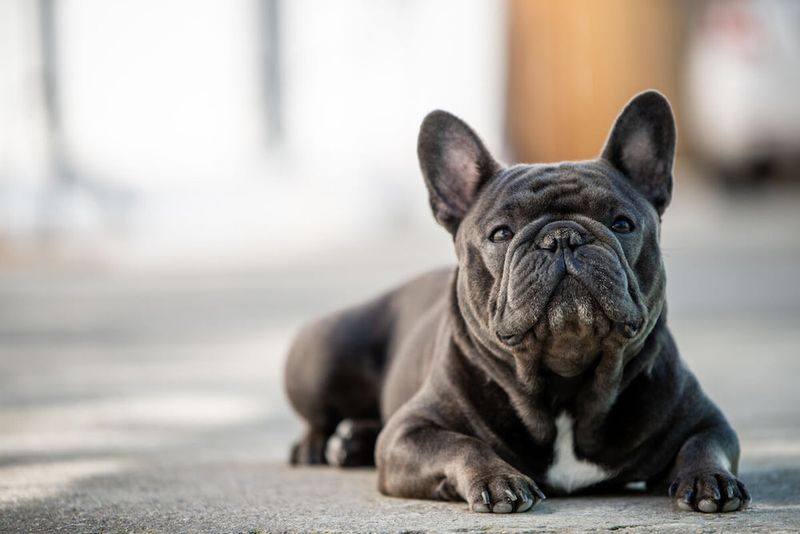
Charmingly quiet yet full of personality, Frenchies have skyrocketed in popularity partly because they’re not big barkers. Their distinctive bat ears pick up everything, but they seldom feel the need to vocally report their findings.
Instead of barking, they’ll entertain you with snorts, grunts, and expressive facial contortions that speak volumes. City dwellers appreciate their apartment-friendly noise level and low exercise requirements.
When a Frenchie does bark, it’s usually for a legitimate reason – making them excellent watchdogs without being nuisance alarmists. Their physical limitations (short snouts) actually contribute to their quieter nature.
3. Boston Terrier
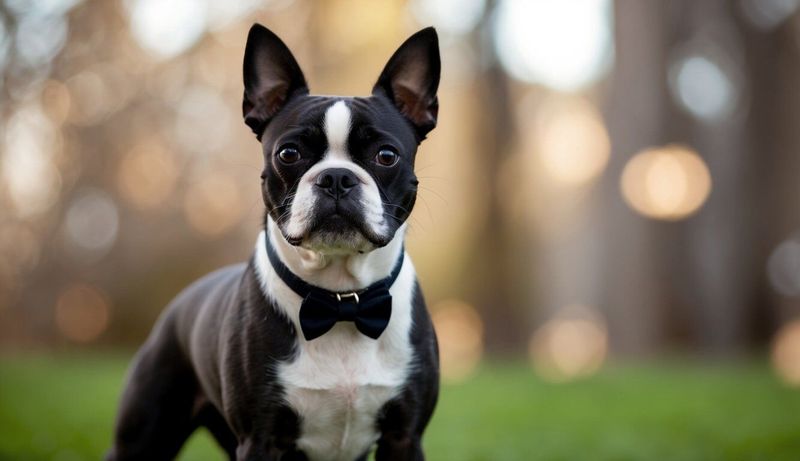
Nicknamed ‘The American Gentleman’ for their tuxedo-like markings, Boston Terriers bring sophistication and restraint to the small dog world. These dapper dogs understand the art of indoor voices, typically barking only when truly warranted.
Their alert intelligence means they can distinguish between actual threats and everyday noises. Bostons prefer to communicate through expressive eyes and body language rather than vocal outbursts.
Originally bred down from fighting dogs, modern Bostons have evolved into peaceful companions who’d rather charm you with tricks than disturb you with noise. Their moderate energy level means they’re content to chill quietly after a short play session.
4. Italian Greyhound
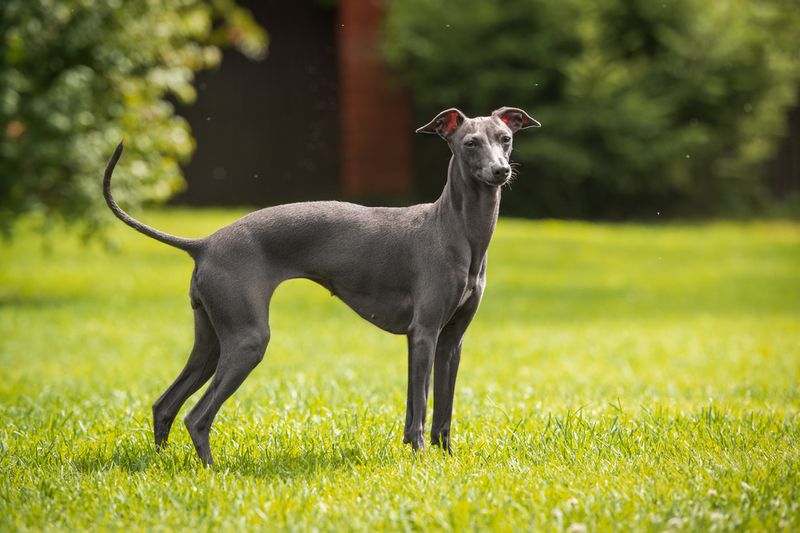
Elegant and reserved, Italian Greyhounds are the ballet dancers of the dog world. These miniature sighthounds rarely waste energy on unnecessary barking, preferring to conserve it for short bursts of graceful speed.
Their sensitive nature makes them incredibly attuned to their owners’ moods. They’ll often communicate through gentle nudges and soulful gazes rather than vocalizations.
Despite their delicate appearance, these dogs are surprisingly sturdy companions. They appreciate the finer things in life – particularly warm laps, soft blankets, and peaceful environments where they can display their naturally quiet demeanor.
5. Basenji
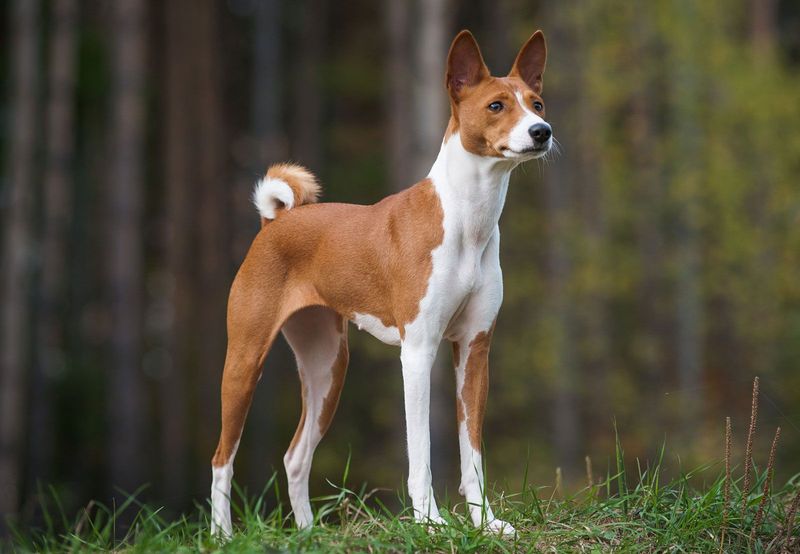
Known as the ‘barkless dog,’ Basenjis physically cannot bark in the traditional sense. Instead, they make unique yodel-like sounds called ‘barroos’ when extremely excited – but these vocalizations are rare and nothing like typical barking.
Originally African hunting dogs, they’re naturally stealthy and communicate primarily through body language. Their wrinkled foreheads and expressive eyes convey their thoughts without noise. Basenjis groom themselves like cats and share their independent, somewhat mischievous nature.
While their intelligence requires mental stimulation, they won’t announce their boredom to the neighborhood – making them excellent apartment dwellers with a fascinating primitive heritage.
6. Shih Tzu
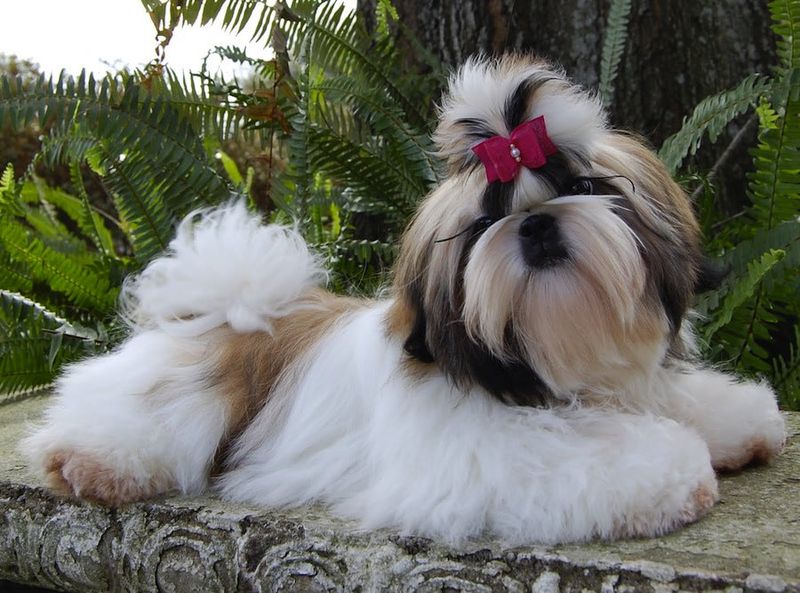
Bred specifically as palace companions for Chinese royalty, Shih Tzus learned long ago that excessive barking wasn’t becoming of imperial company. These little ‘lion dogs’ carry themselves with dignified restraint, rarely resorting to barking without good reason.
Their primary goal in life is human companionship – they’d rather snuggle next to you than patrol for threats. With properly directed early socialization, they grow into exceptionally quiet and adaptable pets.
Don’t let their glamorous coats fool you – beneath that flowing hair lies a sturdy, confident dog with an ancient pedigree. Their naturally pleasant disposition makes them ideal for multi-dwelling settings where noise complaints could be an issue.
7. Brussels Griffon
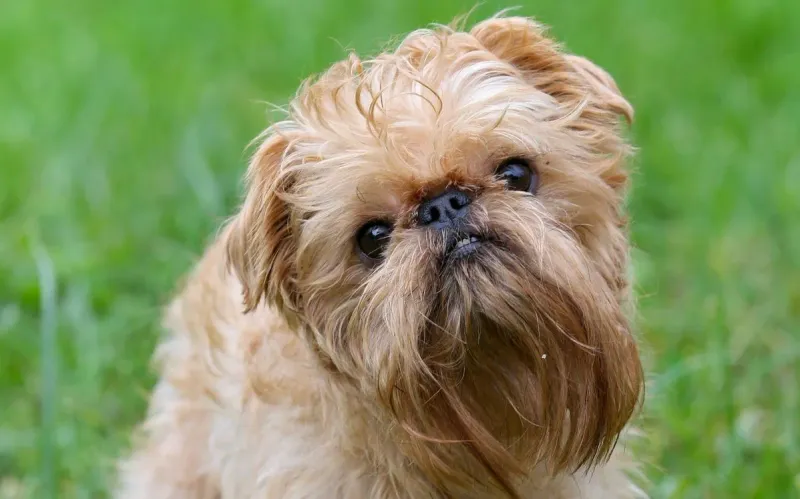
With an almost human-like expression, the Brussels Griffon prefers meaningful glances over barking conversations. Their prominent chin and expressive eyebrows allow them to communicate volumes without making a sound.
Originally bred to hunt rats in Belgian stables, they evolved into companion animals who understand the value of quiet companionship. These sensitive souls form deep bonds with their people and can often anticipate needs before they’re expressed.
While spirited and playful, Griffons tend to save their voices for truly important announcements. Their bearded faces might remind you of a wise old man who speaks rarely but meaningfully – a quality that makes them excellent roommates in noise-restricted living situations.
8. Chinese Crested
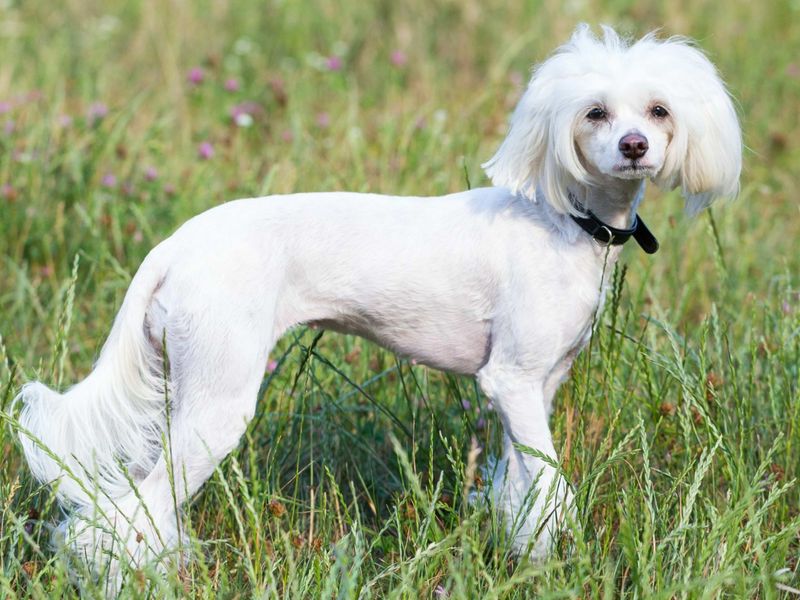
Striking in appearance and gentle in temperament, Chinese Cresteds are among the least vocal of small breeds. Available in both hairless and powderpuff varieties, these dogs rely more on physical affection than barking to express themselves.
Their history as companions on Chinese trading vessels taught them to be adaptable and unobtrusive. Today’s Cresteds maintain that sailor’s discipline, rarely disturbing the peace without genuine cause.
Highly attuned to human emotions, they’ll offer silent comfort during tough times rather than adding noise to stress. Their exotic looks might turn heads, but their quiet nature means they won’t disturb neighbors – making them perfect for close-quarters living situations.
9. Bichon Frise

Behind that cloud-like fluff lies a surprisingly sensible dog who doesn’t feel the need to announce every passing squirrel. Bichons were developed as sailing companions and circus performers, learning that selective barking was more effective than constant noise.
Their cheerful temperament means they’re naturally more inclined toward playful interaction than anxious barking. When properly trained and exercised, these powder-puff pups are content to observe the world quietly from your lap or a sunny window seat.
Historically favored by nobility across Europe, Bichons developed the refined manners expected in royal courts. Their naturally social nature means they prefer engaging directly with people rather than barking to get attention.
10. Havanese
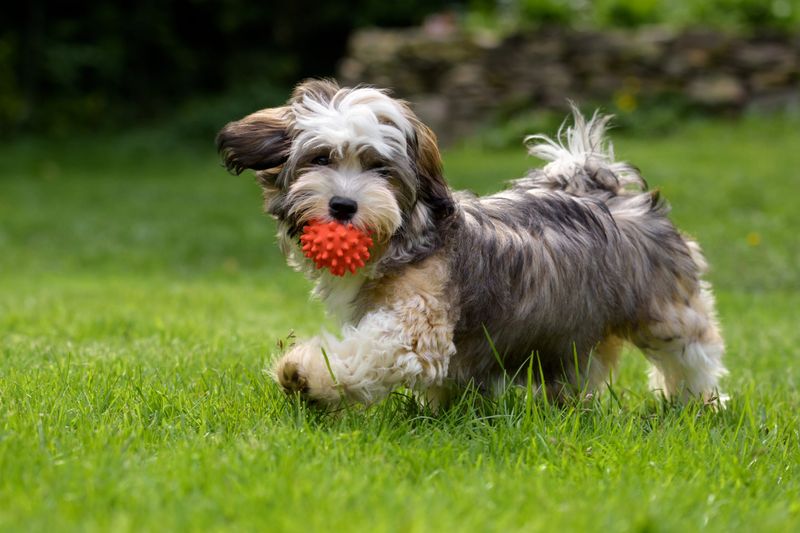
Cuba’s national dog brings island relaxation to the canine world. Havanese pups approach life with a laid-back attitude that extends to their vocal habits, preferring to silently shadow their owners rather than announce their presence.
Their intelligence shines through in their ability to distinguish between genuine threats and normal household sounds. While they’ll alert you to strangers, they quickly quiet down once they understand there’s no danger.
Historically treasured by Cuban aristocracy, these silky-coated companions were bred for pleasant temperaments in close living quarters. Their naturally happy disposition means they express joy through playful antics and affection rather than barking – perfect for those seeking a cheerful but quiet housemate.
11. Tibetan Spaniel
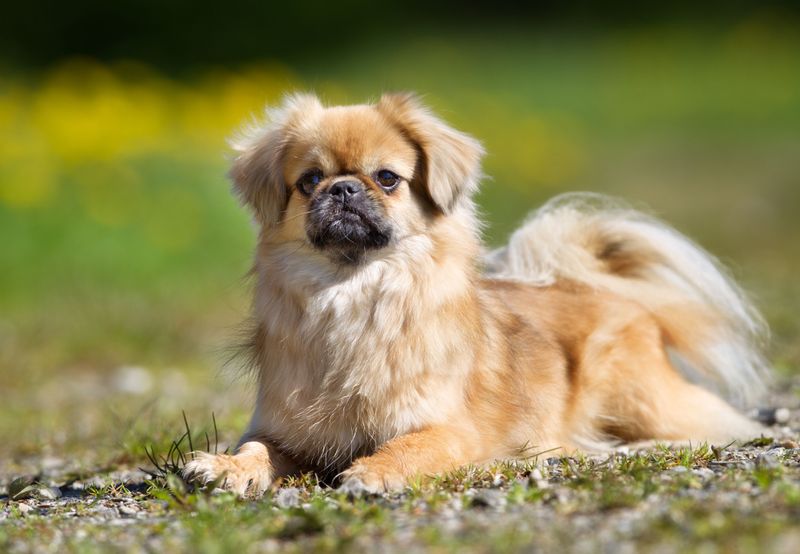
Ancient companions to Buddhist monks, Tibetan Spaniels learned long ago that meditation requires quiet. These lion-like little dogs served as both alarm systems and heating pads in chilly mountain monasteries, developing selective barking habits.
Their watchful nature means they’ll alert you to unusual situations but won’t waste energy on unnecessary noise. Once they’ve delivered their message, they typically return to their peaceful observation post.
Despite their small size, they carry themselves with dignified confidence. Their expressive faces and cat-like tendency to perch on high spots to survey their domain reflect their centuries-old role as monastery sentinels – alert but restrained, exactly what you want in a quiet companion.
12. Japanese Chin
Feline-like in both movement and vocal restraint, Japanese Chins were refined in Japanese imperial courts where decorum was essential. These oriental treasures understand the art of quiet companionship, preferring gentle interaction to boisterous displays.
Their history as royal lap warmers taught them to communicate needs subtly. Watch for their distinctive head tilt – it’s their way of questioning or communicating without barking.
While alert enough to make good watchdogs, they won’t unnecessarily disturb the peace. Their elegant movements and quiet nature reflect centuries of selective breeding for court life, where dogs needed to be seen, admired, and petted – but rarely heard.
13. Miniature Dachshund
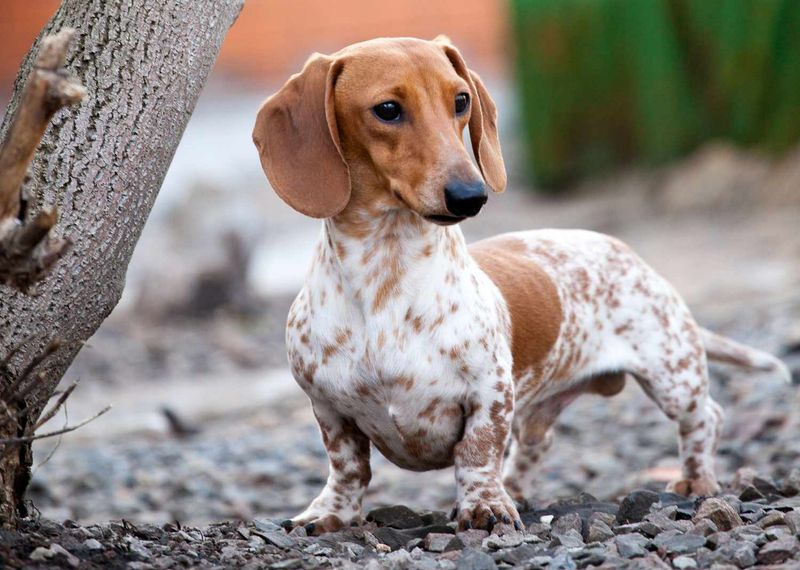
Contrary to their bold hunting heritage, properly trained Miniature Dachshunds can be surprisingly quiet housemates. Their confidence means they don’t feel the need to constantly assert themselves through barking – they already know they’re in charge!
Early training channels their natural intelligence toward appropriate barking habits. Once they understand the house rules, these determined little sausage dogs are remarkably adaptable to quiet living.
Their curious nature means they’re more interested in investigating the world than barking at it. A Mini Dachshund will typically save vocalizations for truly exciting discoveries – like finding their favorite toy under the couch or spotting an actual intruder.