10 Ways to Make Life Less Stressful for Dogs
Stress is not just a human condition; our canine companions feel it too. Whether it’s a change in routine or the sound of fireworks, dogs can become anxious quite easily.
By understanding their needs and creating a nurturing environment, you can help your dog lead a more relaxed and joyful life. Here are 10 effective ways to make life less stressful for your beloved pet.
1. Create a Predictable Daily Routine
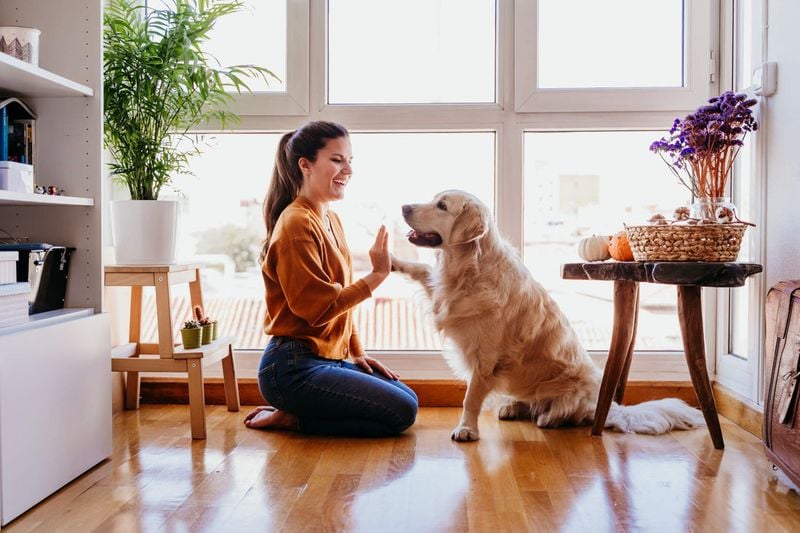
Dogs thrive on consistency. Setting regular times for feeding, walks, play, and bedtime provides a comforting sense of predictability. When your furry friend knows what to expect, it reduces anxiety and promotes a feeling of security.
Consider how their tail wags when you grab the leash for a walk at the same time each day. It’s not just routine; it’s a promise of adventure. With a consistent schedule, you’ll see a happier, more confident dog that looks forward to each day with excitement and ease.
2. Use Positive Reinforcement Training
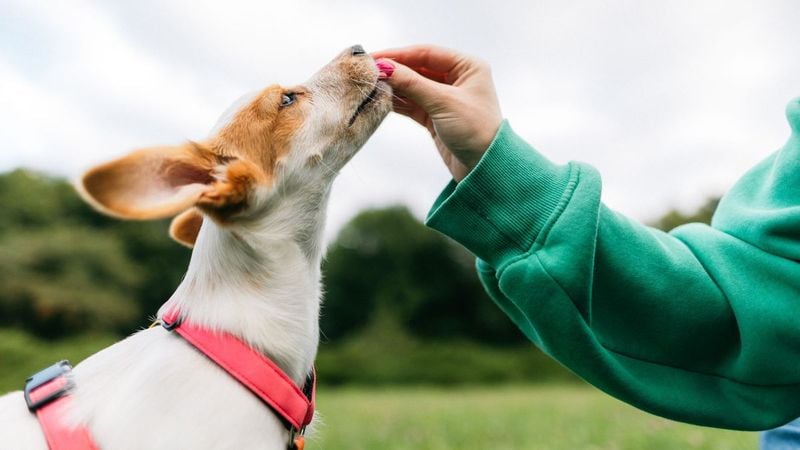
Reward-based training builds confidence and strengthens trust between you and your dog. Rather than employing harsh discipline, which can increase anxiety and erode your bond, focus on positive reinforcement.
Picture the joy in your dog’s eyes when they succeed in a task and are met with praise and treats. It’s a delightful moment of victory that encourages them to learn and grow.
Training becomes a joyful dance of communication, where each step is celebrated, and mistakes are mere stepping stones to improvement.
3. Offer a Safe, Quiet Retreat Space

Designate a cozy corner with your dog’s bed or crate where they can retreat when overwhelmed by guests, noise, or activity. This haven provides an essential escape where they can recharge.
Imagine a haven filled with their favorite toys and blankets, offering solace in chaotic moments. It’s more than a space; it’s a sanctuary where tranquility reigns.
A safe retreat allows your dog to handle stress in their own way, ensuring they have a personal space to relax and feel secure.
4. Exercise Their Body and Mind
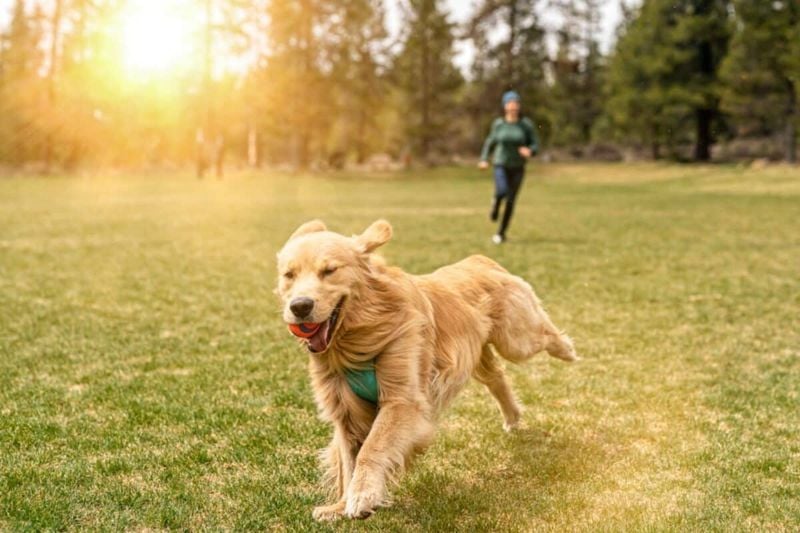
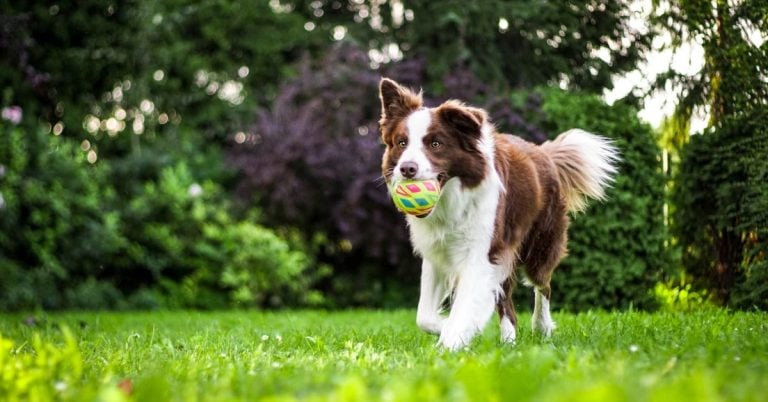
Daily walks, play sessions, and puzzle toys help burn energy and reduce nervous tension. Mental stimulation is as important as physical activity, keeping your dog’s mind sharp and engaged.
Think of the joy that shines in their eyes as they chase a frisbee or solve a puzzle. It’s not just exercise; it’s an expression of their lively spirit.
Balancing physical and mental activities ensures a happy, healthy dog ready to embrace life’s adventures with zest and curiosity.
5. Avoid Sudden Loud Noises
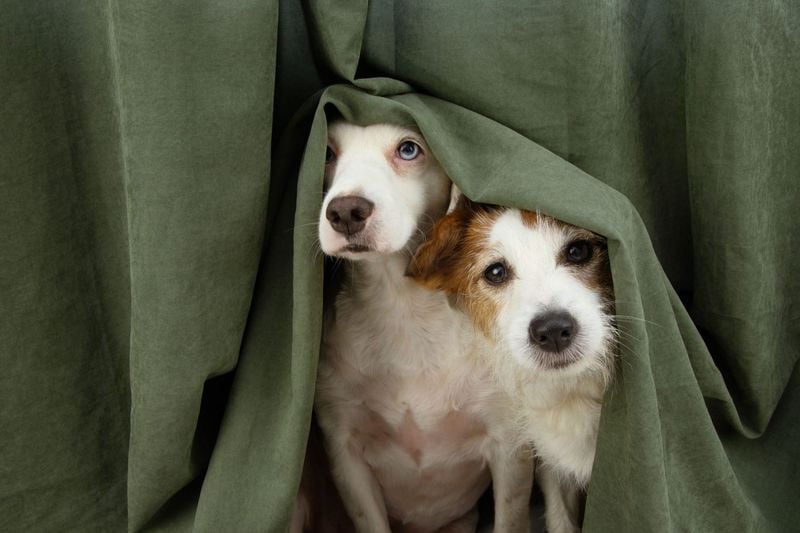
Fireworks, vacuum cleaners, and shouting can spike your dog’s stress levels. Using calming music or white noise can help, especially during thunderstorms or celebrations.
Consider the relief when those jarring sounds are softened by soothing melodies. It’s not just about reducing noise; it’s about creating a peaceful atmosphere.
By controlling the soundscape, you provide your dog with a serene environment where they can feel safe and at ease, no matter the chaos outside.
6. Keep Socialization Positive and Gradual
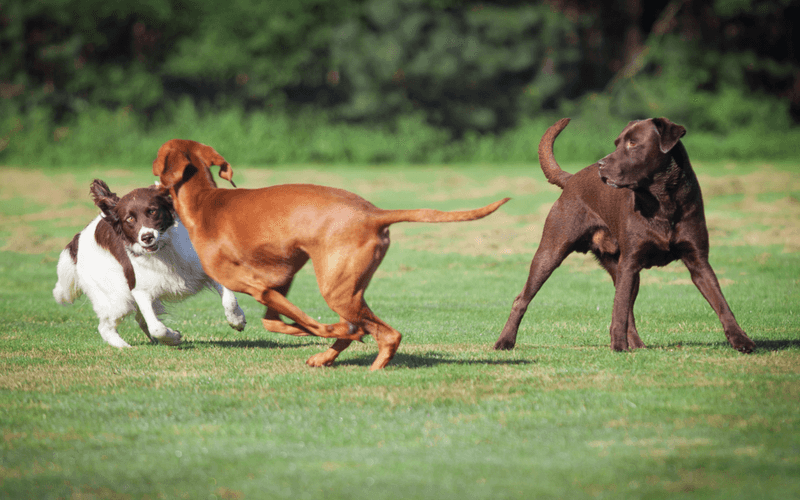
Introduce new people, dogs, and environments slowly. Never force interactions—let your dog explore at their own pace to build confidence.
Imagine the gentle curiosity as they sniff a new friend or wander into unfamiliar territory. It’s a world of discovery, where patience leads to thriving social skills.
Gradual socialization nurtures an adaptable and friendly companion, ready to embrace the world with a wagging tail and open heart.
7. Try Calming Products or Scents

Lavender sprays, pheromone diffusers, or calming collars can gently reduce anxiety without medication, particularly in stressful situations.
Visualize the serene comfort as calming scents fill the air, wrapping your dog in a soothing embrace. It’s not just a product; it’s a calming experience.
In moments of stress, these gentle aids can make a world of difference, providing tranquility and peace to an anxious pup.
8. Don’t Leave Them Alone Too Long

Separation anxiety is real. Provide chew toys or enrichment items when you’re out, and gradually build tolerance for alone time.
Envision the joy as your dog discovers a new toy, a friend to keep them company until you return. It’s not just a distraction; it’s a companion.
By creating a positive environment, you help your dog feel secure even when alone, nurturing independence and confidence.
9. Monitor for Health Issues

Pain or discomfort often masks as stress. Regular vet visits ensure there’s no underlying medical reason behind anxious behaviors.
Picture the reassurance as your vet gives a clean bill of health, knowing your dog’s anxiety isn’t rooted in physical discomfort.
By staying vigilant to health, you safeguard your dog’s well-being, ensuring that stress is managed with understanding and care.
10. Stay Calm Yourself
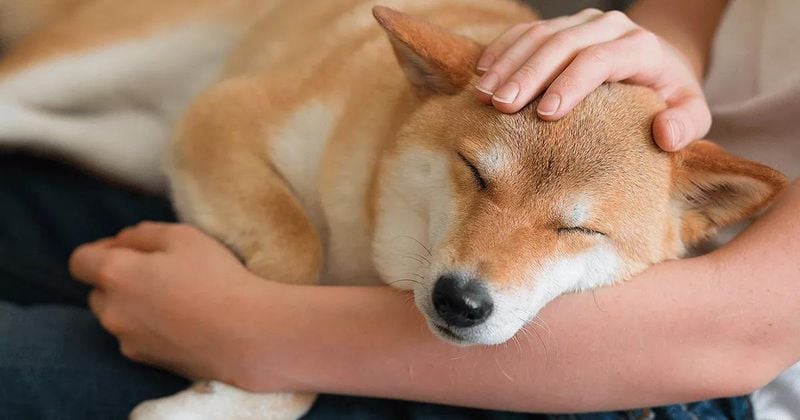
Dogs mirror your emotions. If you remain composed in stressful situations, your dog is more likely to feel secure and relaxed.
Imagine the tranquility that envelops the room as you breathe calmly, your serenity transferring to your canine companion.
Your calmness acts as a guiding light, leading your dog through stormy seas to a peaceful shore, where stress dissipates and harmony reigns.