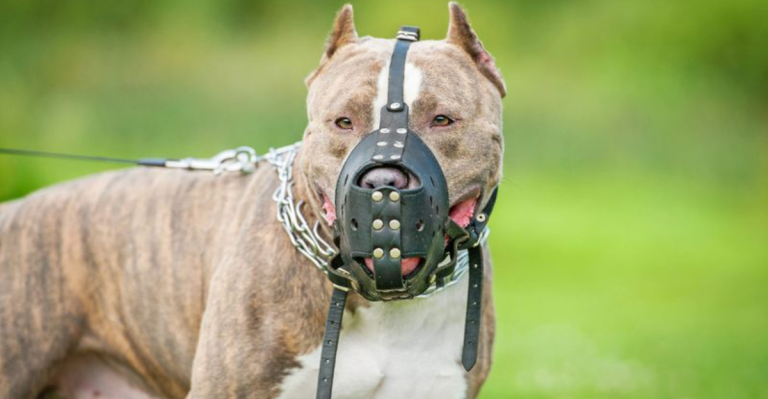
How Centuries of Breeding Changed Everything About The Pit Bull
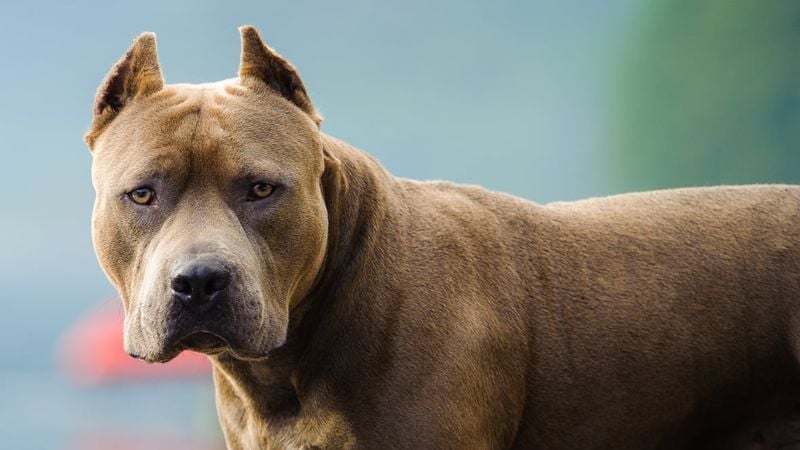
The Pit Bull is one of the most misunderstood dog breeds in the world today. But the dog people fear or fiercely defend has undergone centuries of selective breeding that shaped everything from its temperament to its body type.
Originally bred for brutal sports and later celebrated as America’s sweetheart, the Pit Bull’s story is a case study in how human intention can mold a breed’s fate, for better or worse.
This article explores the historical shifts that led the Pit Bull from bloodsport to backyard, from hero to villain, and how breeders, media, and society continue to redefine what it means to be a “Pit Bull.”
1. The Pit Bull’s Roots in England’s Bull-Baiting Arenas
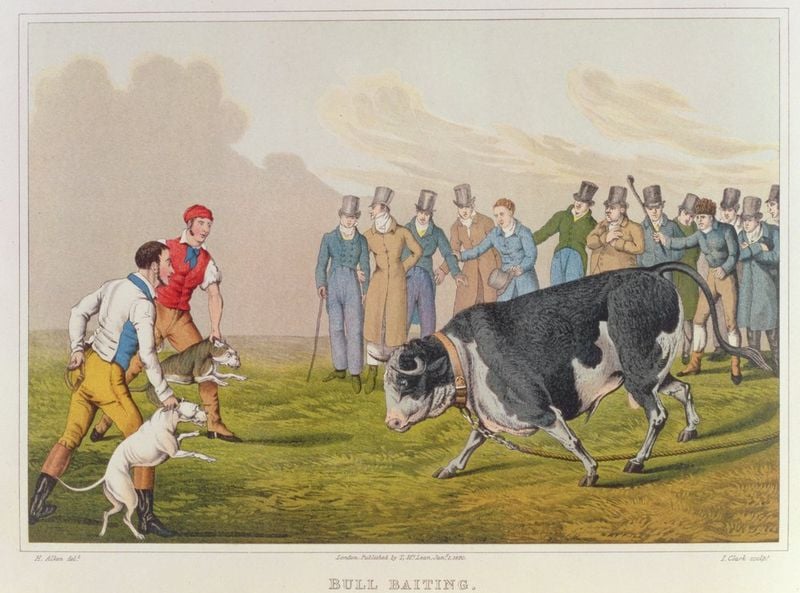
Centuries ago, the Pit Bull’s journey began in the bull-baiting arenas of England. These events, brutal as they were, showcased the resilience and tenacity of these dogs, qualities that were essential for their survival. The dogs’ ability to lock onto a bull and hold its ground was a testament to their strength and determination.
Bull-baiting, a popular sport among the English, was eventually banned in 1835. As the sport faded, breeders began to focus on other traits, setting the stage for the Pit Bull’s evolution. This pivotal change marked the beginning of the breed’s transformation from a fighting dog to a more versatile companion.
The origins of the Pit Bull in such arenas continue to echo through history, reminding us of the breed’s complex past. Despite the brutality of its early purpose, the Pit Bull’s courage and tenacity have remained integral parts of its character.
2. Selective Breeding for Strength and Tenacity
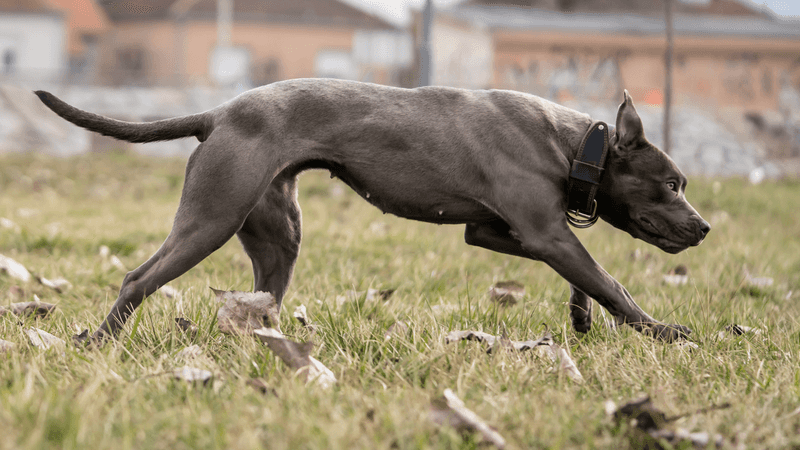
The art of breeding focused on enhancing the Pit Bull’s physical and mental attributes. Over time, breeders selected dogs that exemplified strength, tenacity, and resolve. This selection process aimed to create a dog capable of enduring the challenges of its environment.
Such selective breeding did not happen overnight. It required dedication to maintaining and enhancing specific traits, ensuring the breed remained both a capable worker and a loyal companion. The emphasis was on creating a dog with the ability to tackle any task with vigor.
Today, these characteristics remain evident in the breed. The legacy of strength and tenacity cultivated by early breeders continues to define the modern Pit Bull, shaping its role in various settings.
3. How Early Breeders Shaped the Pit Bull’s Physique and Bite
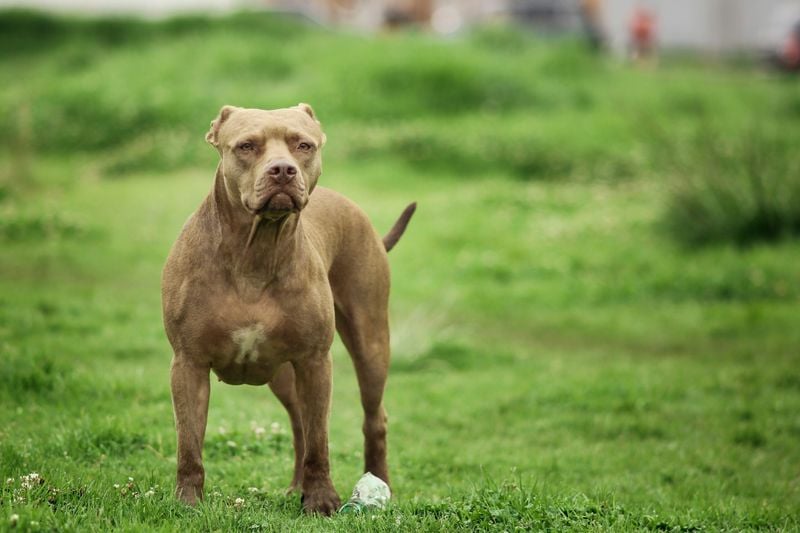
From the very beginning, the Pit Bull’s physique was a matter of great interest to breeders. Their aim was to develop a dog with a powerful bite and a robust build. These features were essential for the breed’s initial roles in hunting and guarding.
Breeders meticulously selected dogs that exhibited these physical traits, gradually crafting a breed known for its unique appearance. The broad chest, strong jaws, and muscular frame became synonymous with the Pit Bull identity.
These attributes, carefully honed over generations, not only made them effective in their tasks but also helped them become recognizable and admired in the world of dog breeds. Such intentional breeding laid the foundation for the Pit Bull we know today.
4. From Blood Sport to Farm Dog: The American Transition
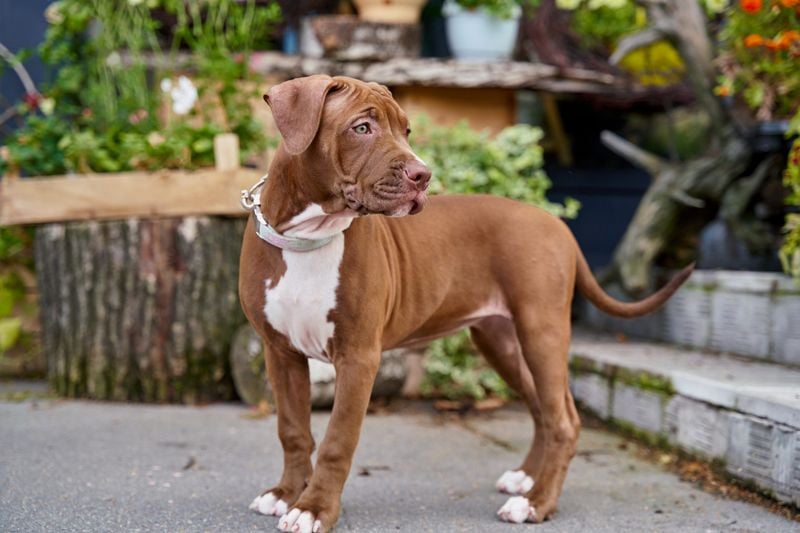
When the Pit Bull crossed the Atlantic, its role began to evolve. In the United States, the breed transitioned from a participant in blood sports to a reliable farm dog. This shift was crucial in redefining the Pit Bull’s image and function.
On American farms, Pit Bulls proved their worth by herding livestock, protecting property, and even hunting. Their adaptability and work ethic earned them a respected place in rural communities. Such versatility showcased their ability to excel in diverse environments.
Through this transformation, the Pit Bull began to shed its reputation as merely a fighter. Its newfound roles highlighted its intelligence and capability, paving the way for further acceptance and appreciation in American homes.
5. Why Early 20th Century Families Loved Pit Bulls as “Nanny Dogs”
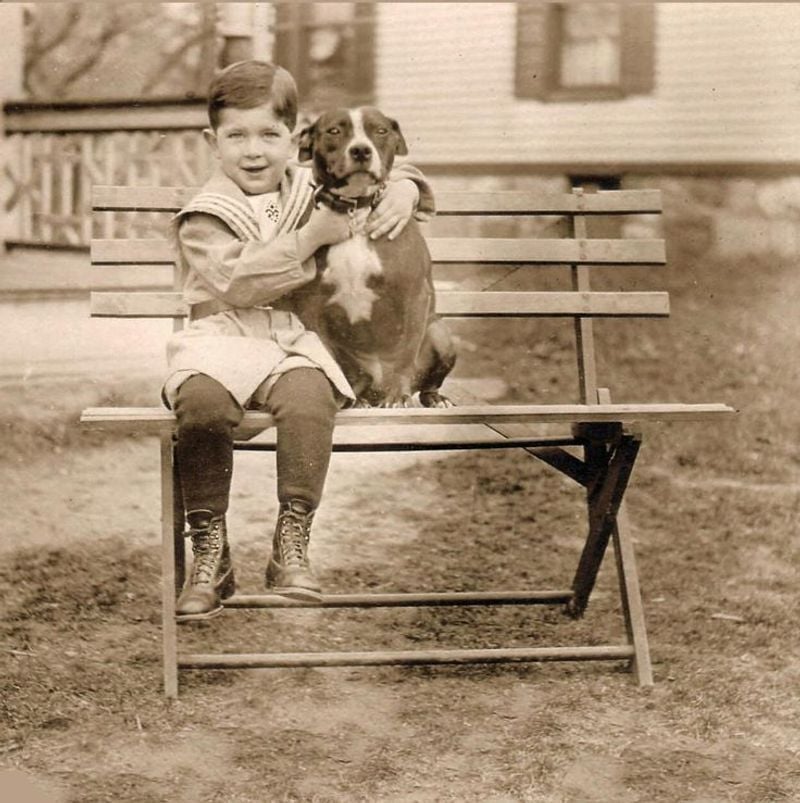
In the early 1900s, Pit Bulls earned the affectionate nickname “nanny dogs.” This reputation stemmed from their gentle and protective nature towards children. Many families trusted these dogs to watch over their little ones, a testament to their loving disposition.
The breed’s patience and loyalty made them ideal companions in households, contributing to their popularity. Stories of Pit Bulls exhibiting kindness and care towards children circulated widely, further solidifying their status as beloved family pets.
During this time, the Pit Bull’s image was one of a trustworthy and endearing companion. The “nanny dog” moniker reflected the breed’s evolving role and the deep bond they shared with families across America.
6. Media Mascots and War Heroes: The Pit Bull’s Golden Age
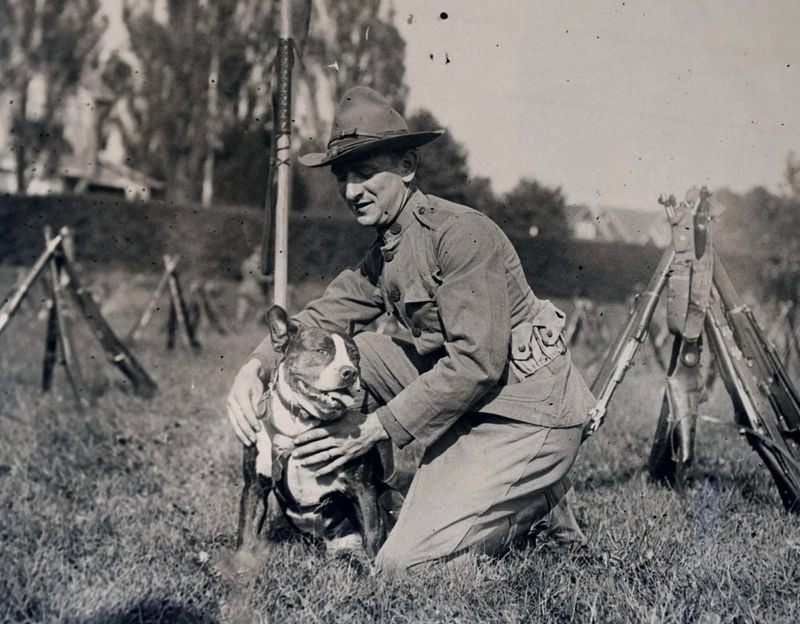
During the early 20th century, Pit Bulls became media darlings and even war heroes. Their image graced posters and advertisements, portraying them as symbols of courage and loyalty. This was a period when the breed’s public perception was at its peak.
Pit Bulls served valiantly during World War I, embodying the spirit of bravery and commitment. Their presence on the battlefield as mascot dogs bolstered soldiers’ morale and provided companionship in trying times.
The breed’s popularity during this golden age highlighted its adaptability and positive traits. As beloved symbols of strength, they found a place not only in homes but also in the nation’s heart, reinforcing their status as American icons.
7. How Breeding Altered Pit Bull Temperament Over Time
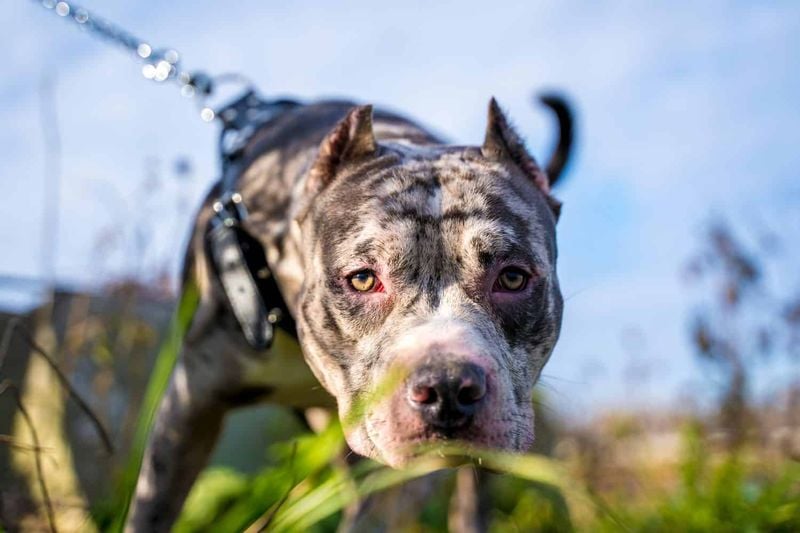
The temperament of Pit Bulls has undergone significant changes due to breeding practices. Initially bred for tenacity and aggression in the arena, their temperament shifted as they were adapted to different roles.
Selective breeding focused on reducing aggression and enhancing traits like loyalty and affection. This transformation was driven by the breed’s transition into family and working environments where such qualities were prized.
Today’s Pit Bulls often showcase a blend of gentleness and protectiveness, a testament to the nuanced breeding efforts over the years. This evolution highlights the impact of thoughtful breeding on the breed’s demeanor, making them cherished companions.
8. The Rise of Breed-Specific Traits Like Loyalty and Drive
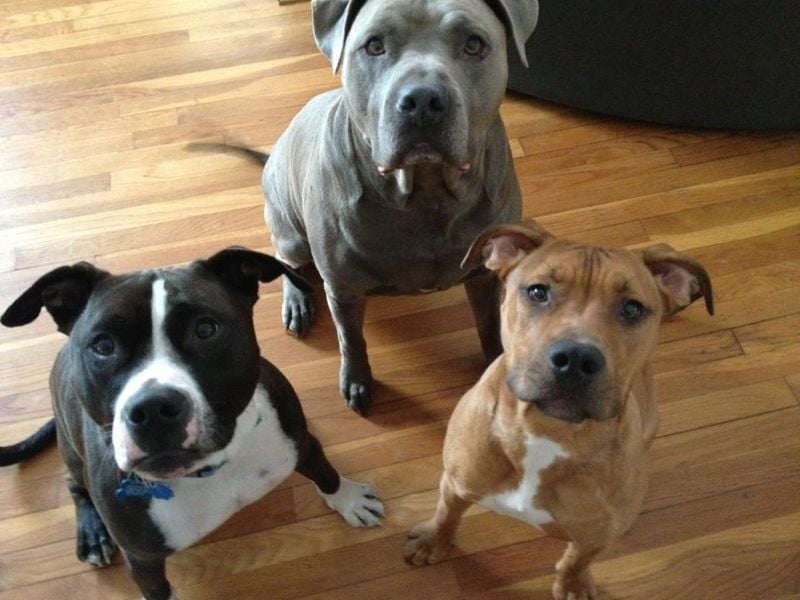
A hallmark of the modern Pit Bull is its unwavering loyalty and drive. These breed-specific traits have been carefully cultivated over generations, shaping the dog’s character and behavior.
Breeders prioritized these qualities to create dogs that were not only family-friendly but also effective working animals. The result is a breed that remains devoted to its family while displaying an eagerness to engage in various activities.
This focused breeding effort has positioned the Pit Bull as a versatile and adaptable companion. Its persistent loyalty and energy continue to endear it to those who appreciate its unique blend of characteristics.
9. The Role of Backyard Breeding in Behavioral Instability

Unfortunately, not all breeding practices have been beneficial. Backyard breeding, often driven by profit rather than preservation of traits, has led to behavioral instability in some Pit Bulls.
Irresponsible breeders may overlook essential genetic factors, resulting in dogs with unpredictable temperaments. This can lead to challenges for owners and the breed’s reputation as a whole.
Addressing this issue requires education and support for ethical breeding practices. By focusing on the well-being and stability of the breed, the negative impact of backyard breeding can be mitigated, restoring balance and health to Pit Bulls.
10. The Hidden Costs of Overbreeding and Inbreeding
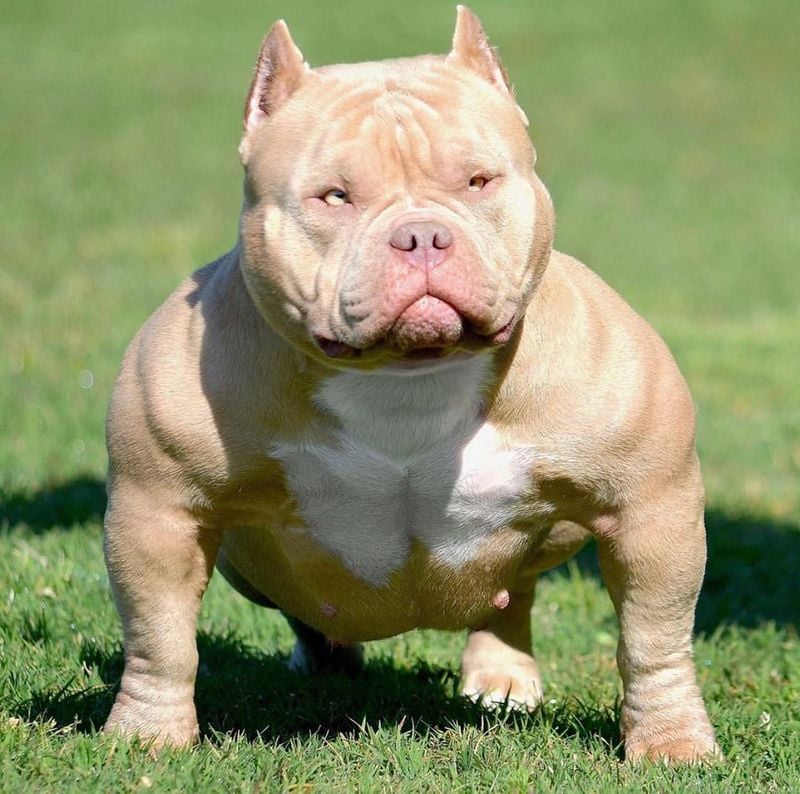
Over time, excessive breeding has introduced significant challenges for the Pit Bull. Overbreeding and inbreeding can lead to a host of health problems, including genetic disorders and reduced lifespan.
These practices often prioritize quantity over quality, compromising the health and vitality of the dogs. This results in Pit Bulls that may suffer from conditions like hip dysplasia and heart disease.
Raising awareness about the consequences of such breeding is crucial. By promoting responsible practices, we can preserve the health and integrity of the breed, ensuring future generations of Pit Bulls thrive.
11. Common Hereditary Health Issues in Modern Pit Bulls

Modern Pit Bulls face a range of hereditary health issues, largely due to past breeding practices. Common conditions include hip dysplasia, heart disease, and skin allergies, affecting the quality of life for many dogs.
These health problems underscore the importance of informed breeding. By understanding and addressing genetic predispositions, breeders can improve the overall health of the breed.
Efforts to reduce the prevalence of these issues involve careful selection of breeding pairs and routine health screenings. Through these measures, the Pit Bull community can work towards healthier generations, ensuring the breed’s continued vitality and well-being.
12. How Responsible Breeding Can Reverse Damage
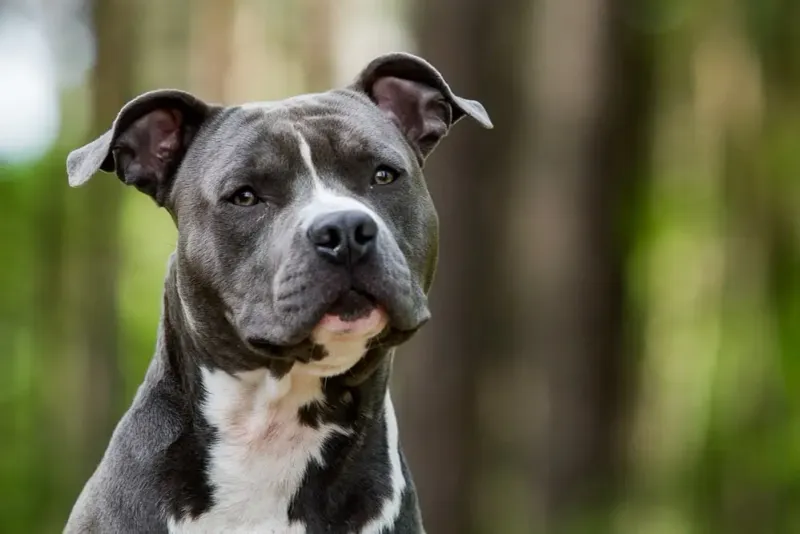
The path to reversing the damage caused by irresponsible breeding lies in promoting responsible practices. Ethical breeders play a crucial role in this process, focusing on the health and temperament of their dogs.
Responsible breeding involves thorough health checks, genetic testing, and a commitment to maintaining breed standards. By prioritizing these aspects, breeders can help restore the Pit Bull’s reputation and quality of life.
As the community embraces responsible breeding, the positive changes in the breed become evident. Healthier, stable Pit Bulls emerge, reflecting the careful efforts of those dedicated to the breed’s future.
13. How Pit Bulls Went from Family Favorite to Feared Breed
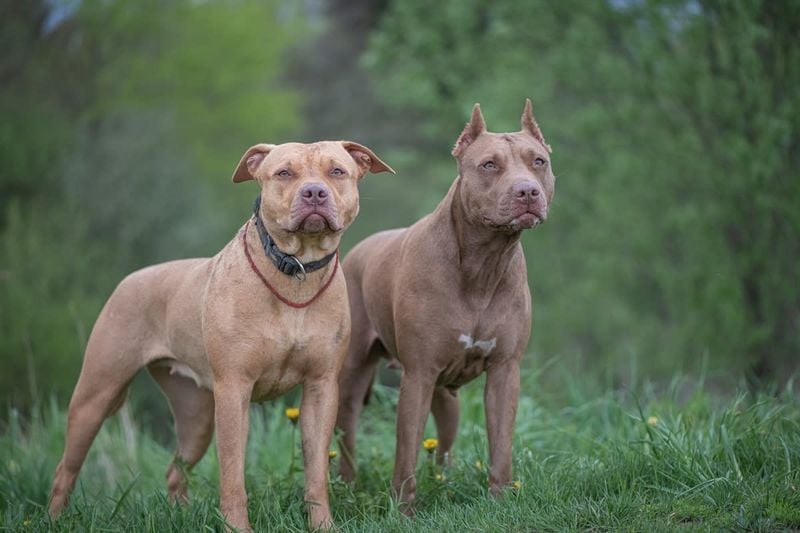
Once adored as family favorites, Pit Bulls’ reputation has shifted over the decades. Changes in societal attitudes and unfortunate incidents have contributed to their portrayal as a feared breed.
Media sensationalism often highlights negative stories, overshadowing the positive aspects of the breed. This shift has led to misconceptions and stereotypes that many Pit Bull owners work hard to dispel.
Understanding the breed’s history and recognizing the impact of environmental factors can help change public perception. By sharing stories of loving Pit Bulls, advocates aim to restore their image as loyal companions, deserving of a second chance.
14. Media Influence and the Rise of the “Dangerous Dog” Label
Media plays a pivotal role in shaping public perception of Pit Bulls. Sensational stories and headlines have contributed to their label as a “dangerous dog” breed, often without considering context or individual temperament.
The power of media can amplify fears and misunderstandings, making it challenging for advocates to present a balanced view. This one-sided portrayal perpetuates fear and stigma, impacting the breed’s acceptance in society.
Efforts to counter this narrative involve sharing positive stories and educating the public about responsible ownership. By promoting understanding and empathy, the media’s influence can be redirected towards fostering appreciation for the breed’s true nature.
15. The Role of Breed-Specific Legislation in Public Perception
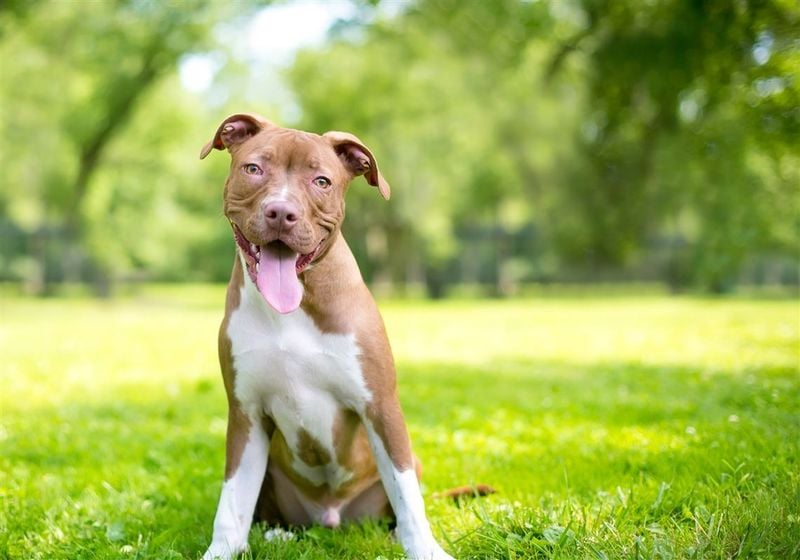
Breed-specific legislation (BSL) has significantly affected the perception of Pit Bulls. Such laws often aim to restrict or ban ownership, based on the assumption that the breed is inherently dangerous.
BSL can lead to fear and misunderstanding, reinforcing negative stereotypes. Critics argue that these laws are misguided, focusing on breed rather than individual dog behavior and responsible ownership.
Advocacy against BSL emphasizes education and the importance of assessing dogs on a case-by-case basis. By challenging these laws, advocates hope to create a more informed and fair approach to breed management, fostering a culture of understanding and support for Pit Bulls.
16. What Today’s Pit Bull Is Really Like (Spoiler: It Depends)
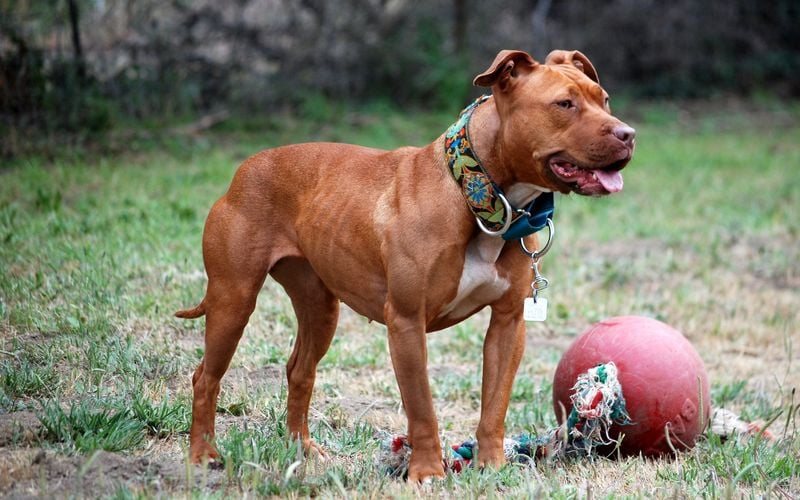
Today’s Pit Bull is a diverse breed, with individual temperaments and appearances shaped by genetics, environment, and upbringing. While some may exhibit the high energy and drive of their ancestors, others are calm and gentle.
This variability highlights the importance of considering each dog as an individual. Responsible owners recognize that factors such as training, socialization, and care greatly influence a Pit Bull’s behavior and personality.
Celebrating this diversity allows owners to appreciate and nurture the unique qualities of their Pit Bulls. By focusing on individuality, the breed’s complexity and beauty are fully realized, offering endless potential for companionship and love.
17. The Efforts of Ethical Breeders and Rescuers
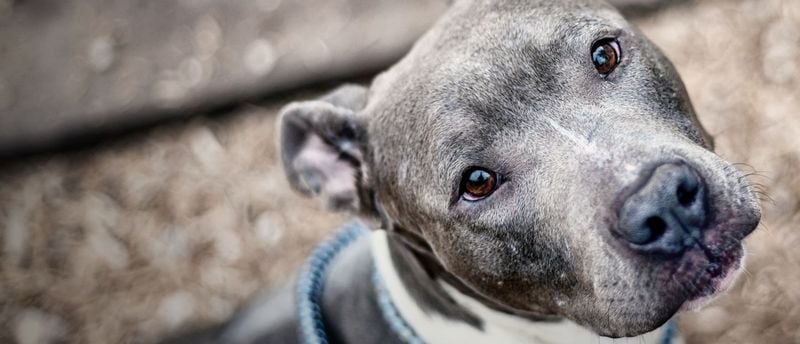
Ethical breeders and rescuers are at the forefront of preserving the Pit Bull’s legacy. They work tirelessly to ensure the breed’s health and well-being, countering the negative effects of past practices.
Through careful selection and rehabilitation efforts, these advocates restore balance and integrity to the breed. Their dedication results in Pit Bulls that are not only healthy but also exemplify the positive traits originally intended by breeders.
Supporting ethical breeders and rescuers is essential for the breed’s future. Their efforts demonstrate the potential for positive change, inspiring others to join the mission of safeguarding the Pit Bull’s true legacy.
18. How DNA Testing Is Helping Reclaim the Breed’s Identity
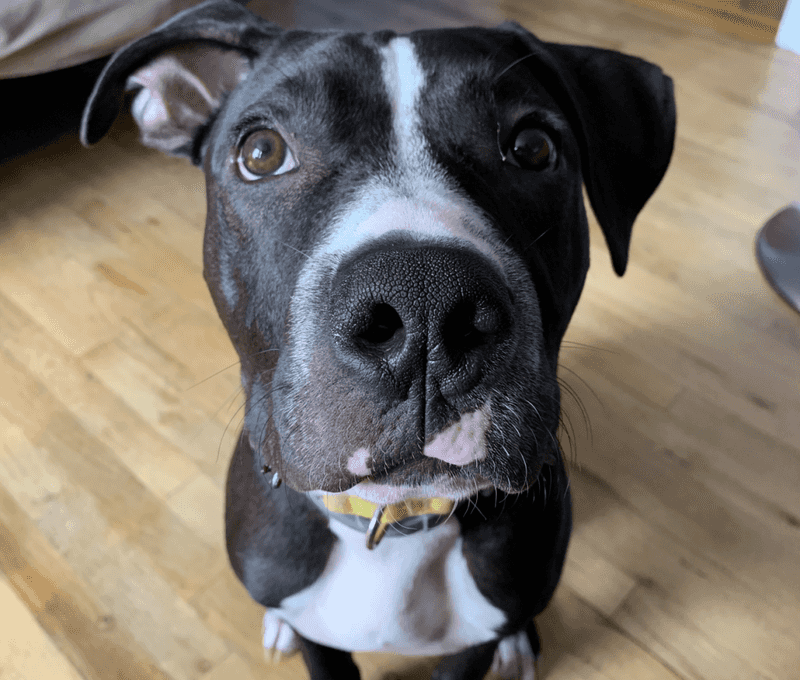
DNA testing has become a valuable tool in the effort to reclaim the Pit Bull’s identity. By understanding a dog’s genetic makeup, owners and breeders can gain insights into its heritage and potential health issues.
This knowledge helps dispel myths and stereotypes, providing a clearer picture of what constitutes a Pit Bull. It also assists in making informed decisions about breeding and care, promoting the breed’s overall well-being.
Embracing DNA testing fosters a greater appreciation for the breed’s complexity and history. By uncovering the genetic secrets of Pit Bulls, we gain a deeper understanding of what makes them unique, paving the way for informed advocacy and support.
19. What the Pit Bull’s Story Tells Us About Dog Breeding Ethics
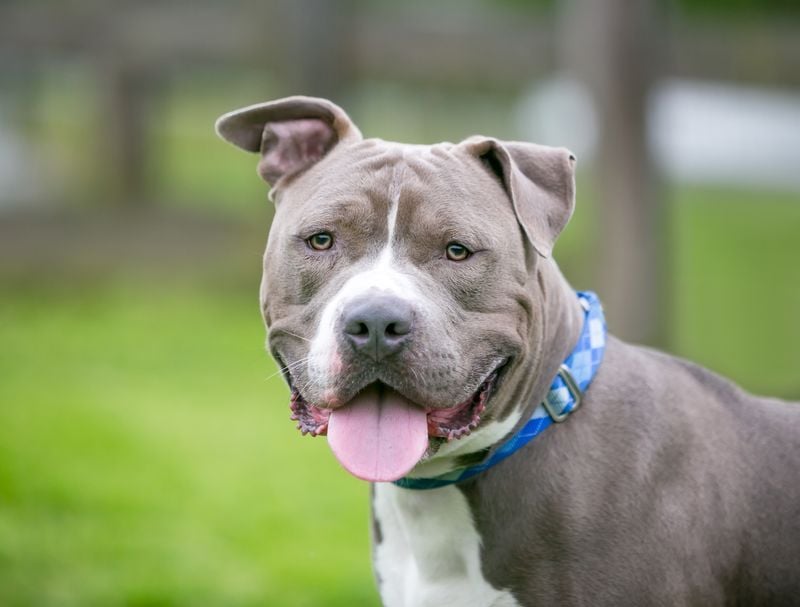
The story of the Pit Bull offers valuable lessons about dog breeding ethics. It highlights the impact of human decisions on the health and perception of a breed, underscoring the responsibility of breeders.
Ethical considerations include prioritizing health, temperament, and the preservation of positive traits. These principles guide breeders in making decisions that benefit the breed and its future generations.
Reflecting on the Pit Bull’s journey encourages a more thoughtful approach to breeding. By learning from past mistakes, breeders can ensure responsible practices that promote the well-being of dogs, fostering a culture of care and respect.
20. How You Can Help Restore the Pit Bull’s True Legacy
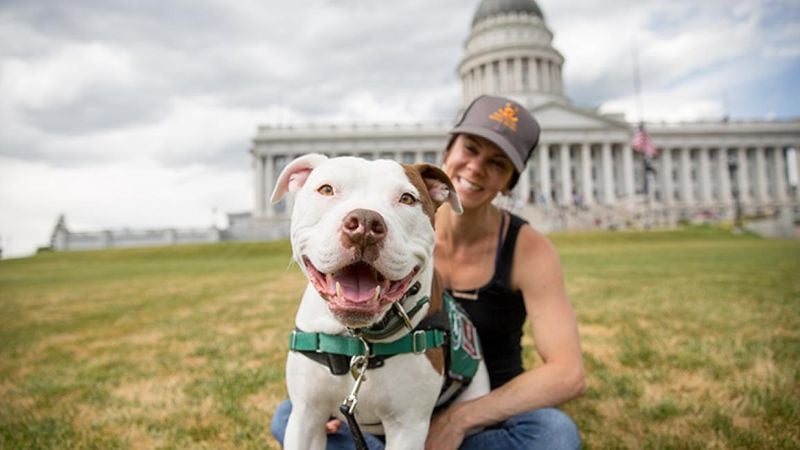
Restoring the Pit Bull’s legacy involves collective effort and dedication. As an advocate, you can play a crucial role in changing perceptions by educating others and promoting responsible ownership.
Supporting rescue organizations, fostering open dialogue, and sharing positive stories are effective ways to contribute. These actions help dismantle stereotypes and showcase the breed’s true nature as a loving and loyal companion.
Together, we can work towards a brighter future for Pit Bulls. By embracing empathy and understanding, the breed’s legacy can be restored, allowing them to thrive once more as cherished members of our families and communities.