
The 30 Most Overpriced Dog Breeds
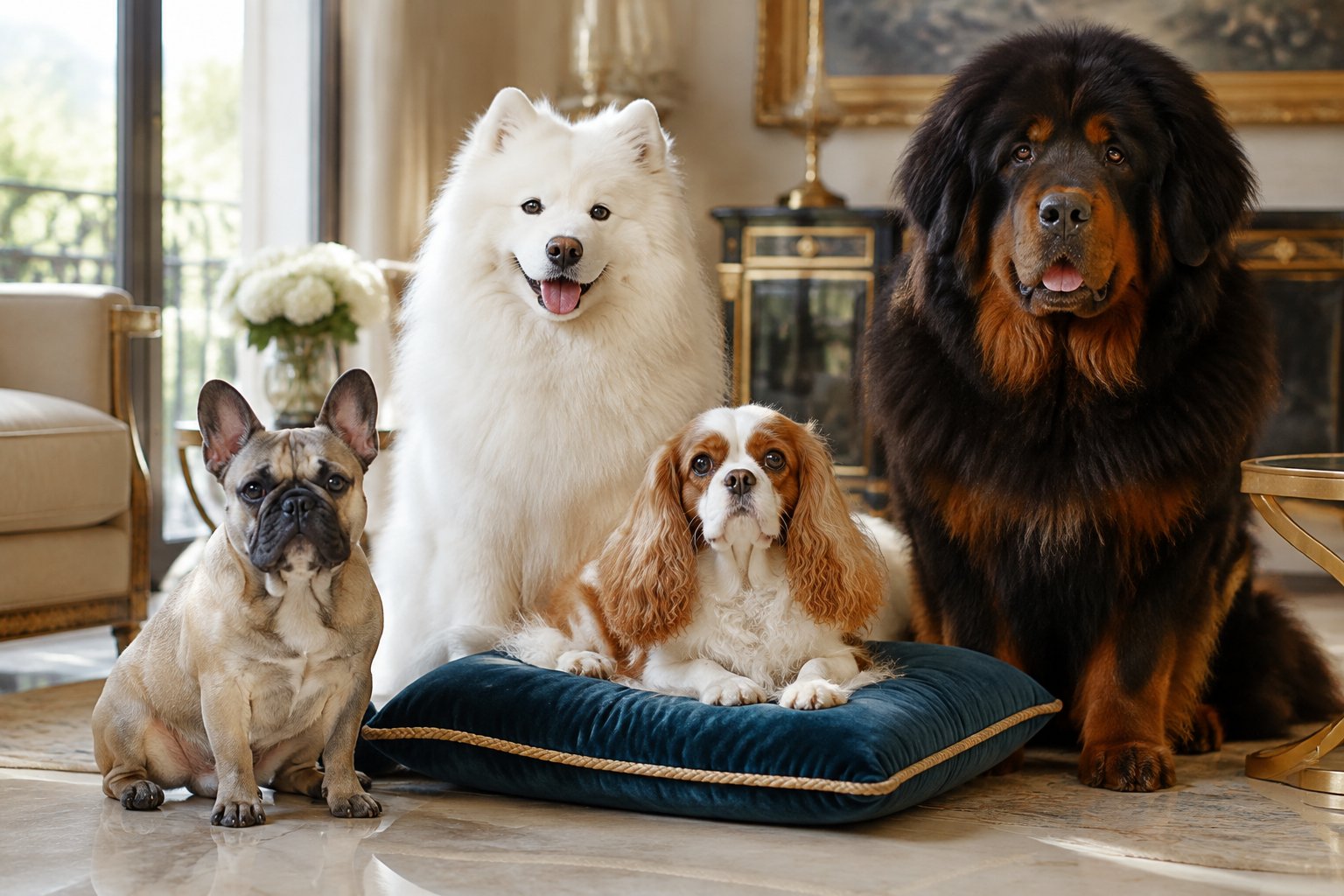
A dog’s price tag usually tells you how much demand there is for the breed, not how healthy or long-lived the puppy will be. Some of the most expensive breeds in America come with a long list of well-known health problems, short lifespans or care needs that keep costing you long after you bring the puppy home.
That’s what “overpriced” means here. None of these dogs are bad pets, and plenty of owners adore them. But when you weigh the purchase price against breathing problems, heart disease, cancer risk or a life of only six to eight years, the value looks a lot shakier. The facts below come from vet school research, RVC VetCompass studies, insurers and the breed clubs themselves. If you still want one of these breeds, buy from a breeder who health-tests and shows you the results.
1. French Bulldog
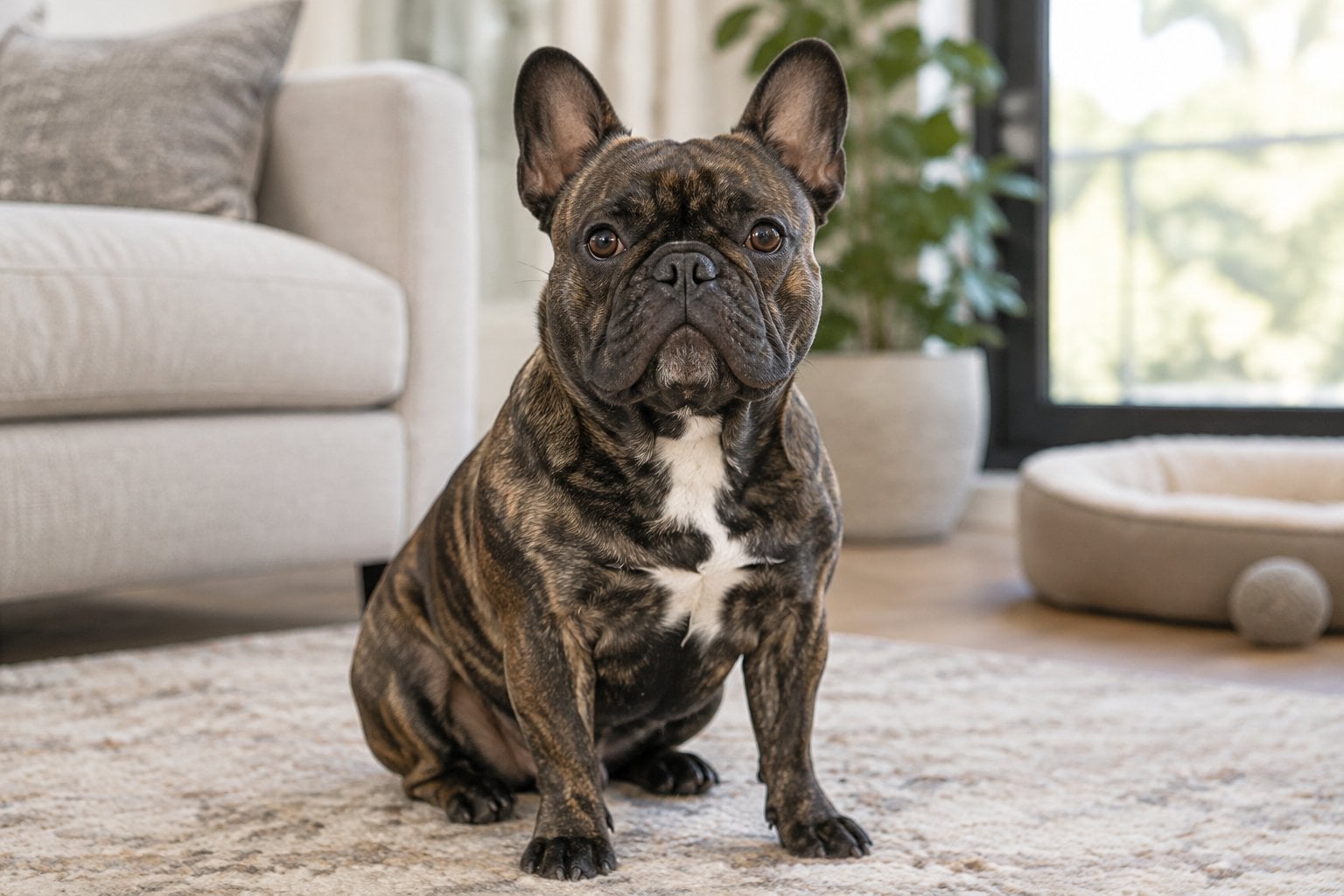
The French Bulldog has topped the AKC’s popularity rankings in recent years, and its puppies are some of the priciest. Part of the reason is how they’re born: most Frenchie litters arrive by C-section, and many of these dogs can’t mate without help, which drives up breeding costs. Buyers then pay even more for trendy colors like blue and merle that the breed standard doesn’t accept.
What you get for that money is a fragile dog. A VetCompass study of UK vet records found French Bulldogs had a higher risk of 20 of the 43 common disorders it looked at, including breathing problems, ear infections and skin fold infections. A 2022 VetCompass life table put their life expectancy at birth at just 4.53 years, the lowest of the breeds studied, though the authors noted the breed’s young population may pull that number down. Many need airway surgery to breathe comfortably.
2. English Bulldog
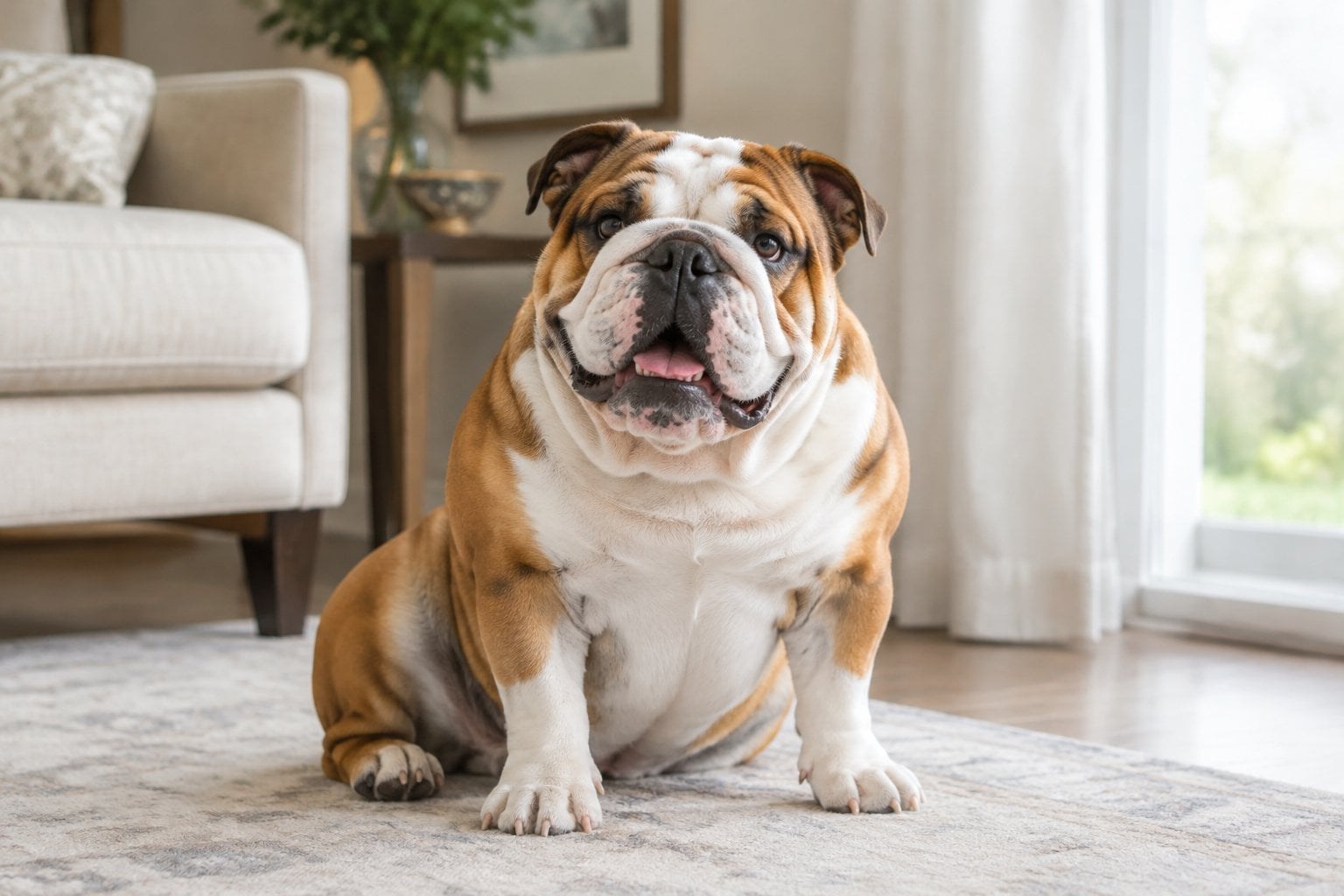
English Bulldogs have always been expensive, and the reason is the same as with Frenchies: most litters are delivered by C-section and breeding often needs artificial insemination. That price gets you a dog with one of the heaviest health burdens of any breed.
A 2022 Royal Veterinary College study found Bulldogs had a higher risk of 24 of the 43 disorders it checked, including breathing trouble, skin fold infections, cherry eye and other eye problems. VetCompass life tables gave them a life expectancy of about 7.4 years. Hip dysplasia is also very common in the breed, and their flat faces make heat and exercise risky. Many Bulldogs spend their lives on medicated wipes, eye drops and allergy treatment, and some need airway or eyelid surgery. You pay a premium up front and then keep paying for a dog whose body makes daily life hard work.
3. Tibetan Mastiff
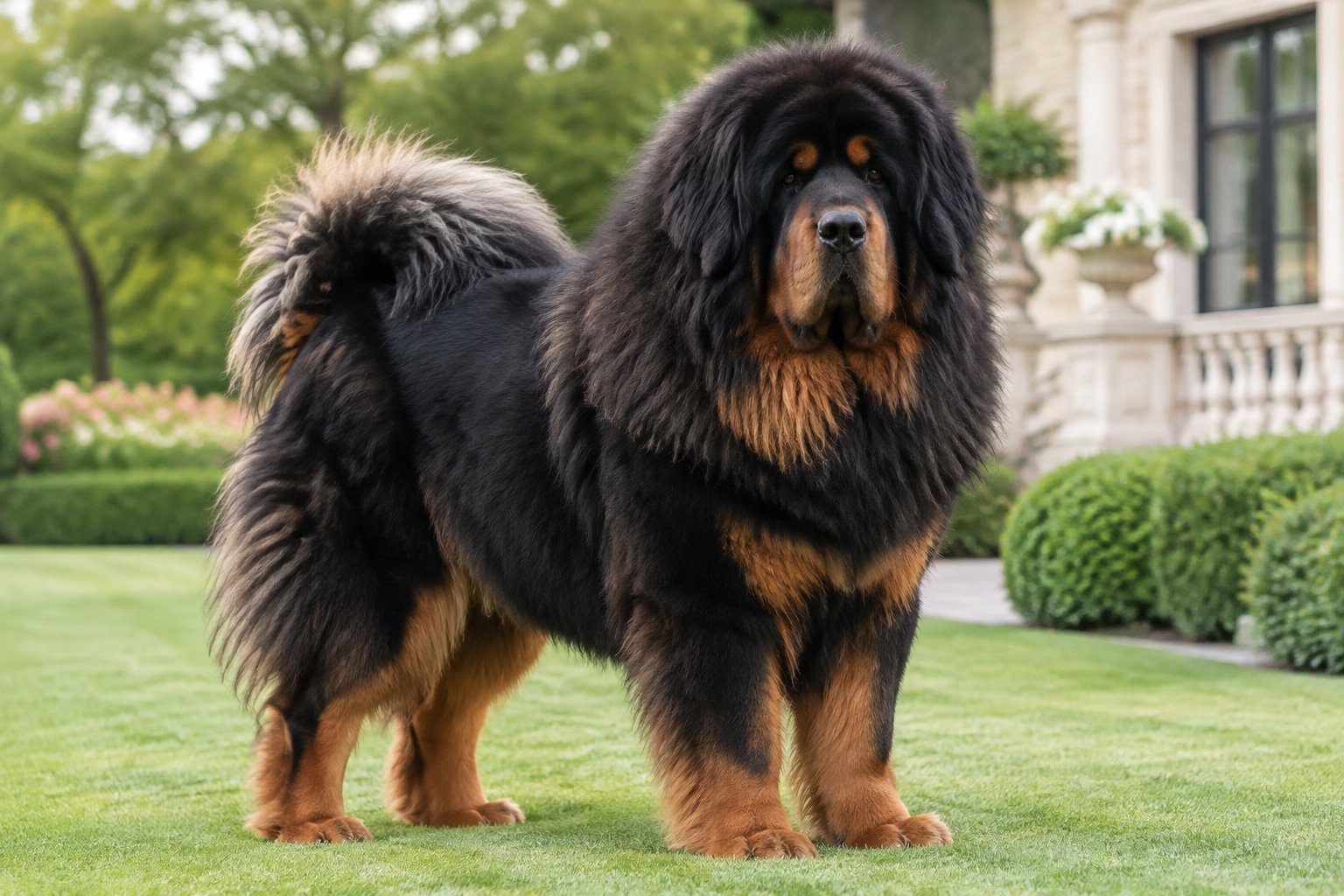
The Tibetan Mastiff is famous for record prices. During China’s boom, a red Tibetan Mastiff named Big Splash reportedly sold for about 10 million yuan in 2011, and breeders claimed even higher sales after that. When the craze ended, prices crashed and news reports described many of these dogs being abandoned.
The breed itself is a big, independent guardian that was never meant to be a status symbol. It sheds heavily, can be hard to train and needs a secure yard and an experienced owner. Health-wise, the breed is prone to hip dysplasia, hypothyroidism and an inherited nerve disease called canine inherited demyelinative neuropathy. A 2026 VetCompass study of giant breeds in the UK found Tibetan Mastiffs averaged just 4.8 years of life, one of the shortest lifespans of any giant breed in the study. That’s a lot of money for a dog that may not be with you for long.
4. Cavalier King Charles Spaniel
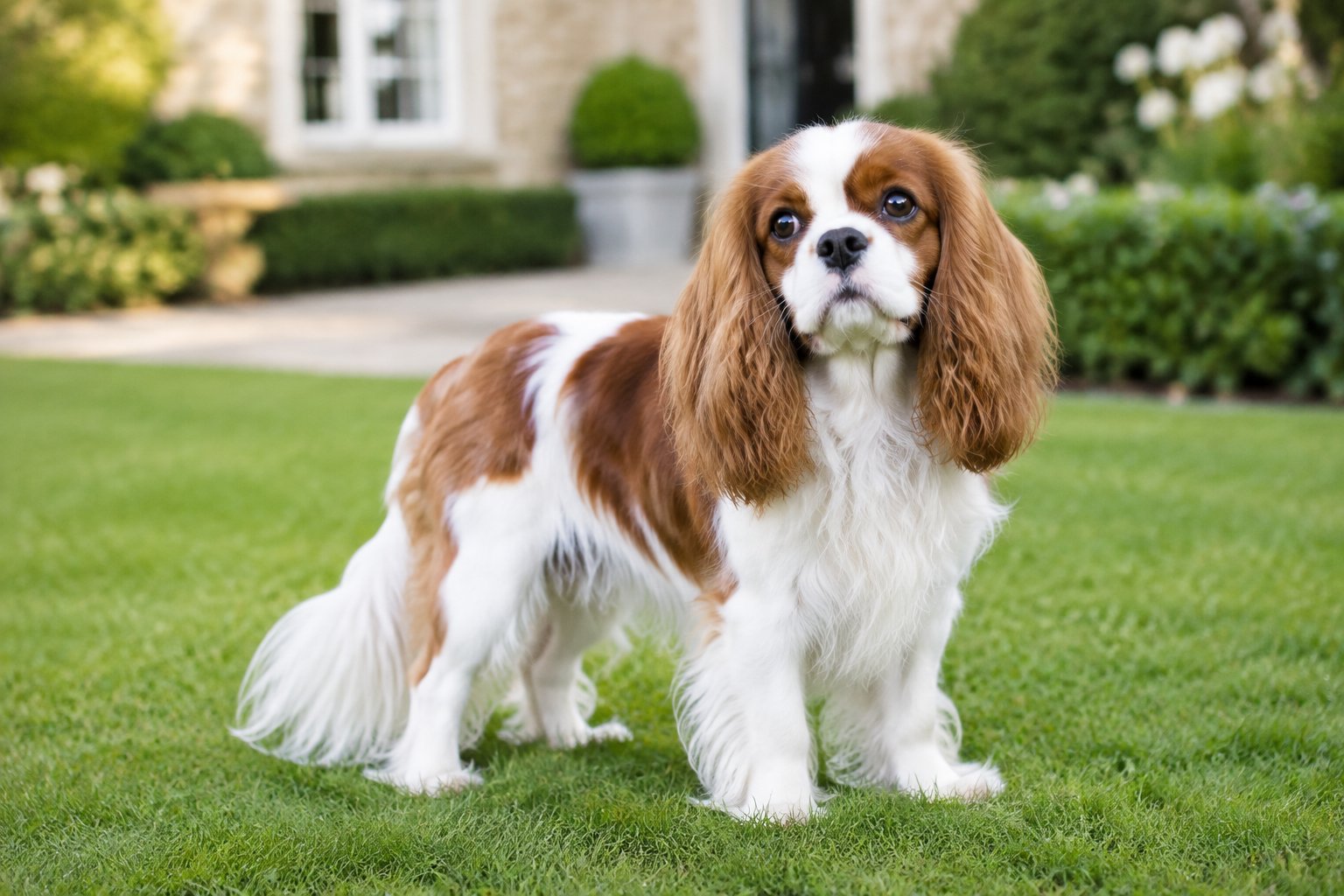
Cavaliers are sweet, gentle and in high demand, which keeps puppy prices high. Sadly, the breed carries two serious inherited problems that owners should know about before paying.
The first is mitral valve disease, a heart condition where a valve slowly leaks. Research shows it is extremely common in the breed, with one study noting that as many as 90% of Cavaliers develop it by age 10, and it is a leading cause of death. The second is syringomyelia, where fluid-filled cavities form in the spinal cord because the skull is too small for the brain. It can cause pain and scratching at the neck, and MRI studies have found it in a large share of dogs even when they show no signs. Responsible breeders screen hearts every year and MRI-scan breeding dogs, but that adds cost, and many puppies are sold without any testing at all.
5. Bernese Mountain Dog
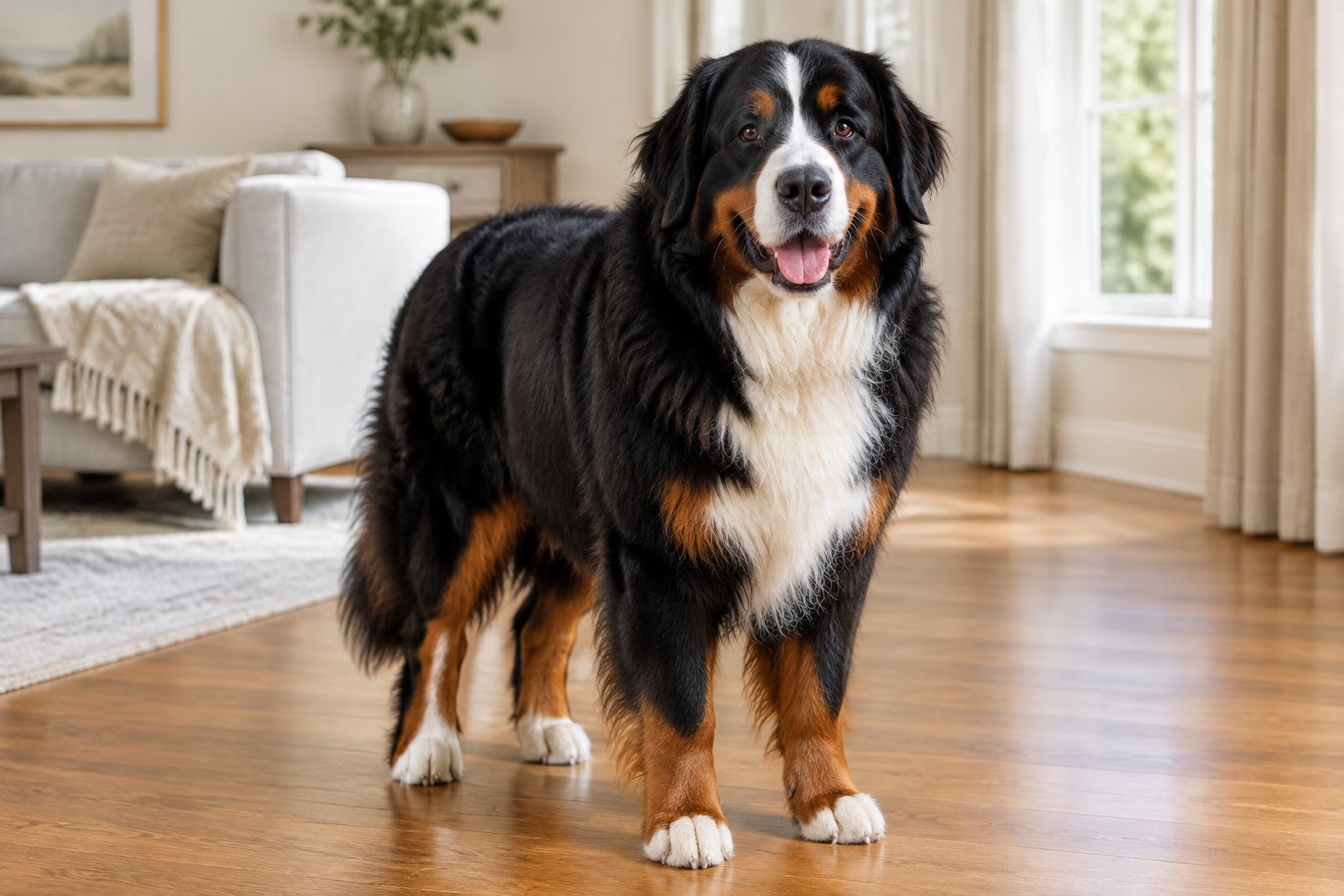
Bernese Mountain Dogs are beautiful, calm and wonderful with kids, and demand for puppies is strong. The heartbreak is how short their lives tend to be. A Swiss study of nearly 400 Berners found a median life expectancy of 8.4 years, and a Danish study put the average at about 7 years.
Cancer is the main reason. In the Swiss study, tumors were the most common cause of death, accounting for more than half of the dogs that died. The breed is especially prone to histiocytic sarcoma, an aggressive cancer that genetic researchers say affects roughly a quarter of Berners, and dogs usually survive only weeks to months after diagnosis. Hip and elbow dysplasia and bloat are also concerns. Add a thick coat that sheds constantly and a big appetite, and you’re paying a lot for a dog you may only have for seven or eight years.
6. Dogue de Bordeaux
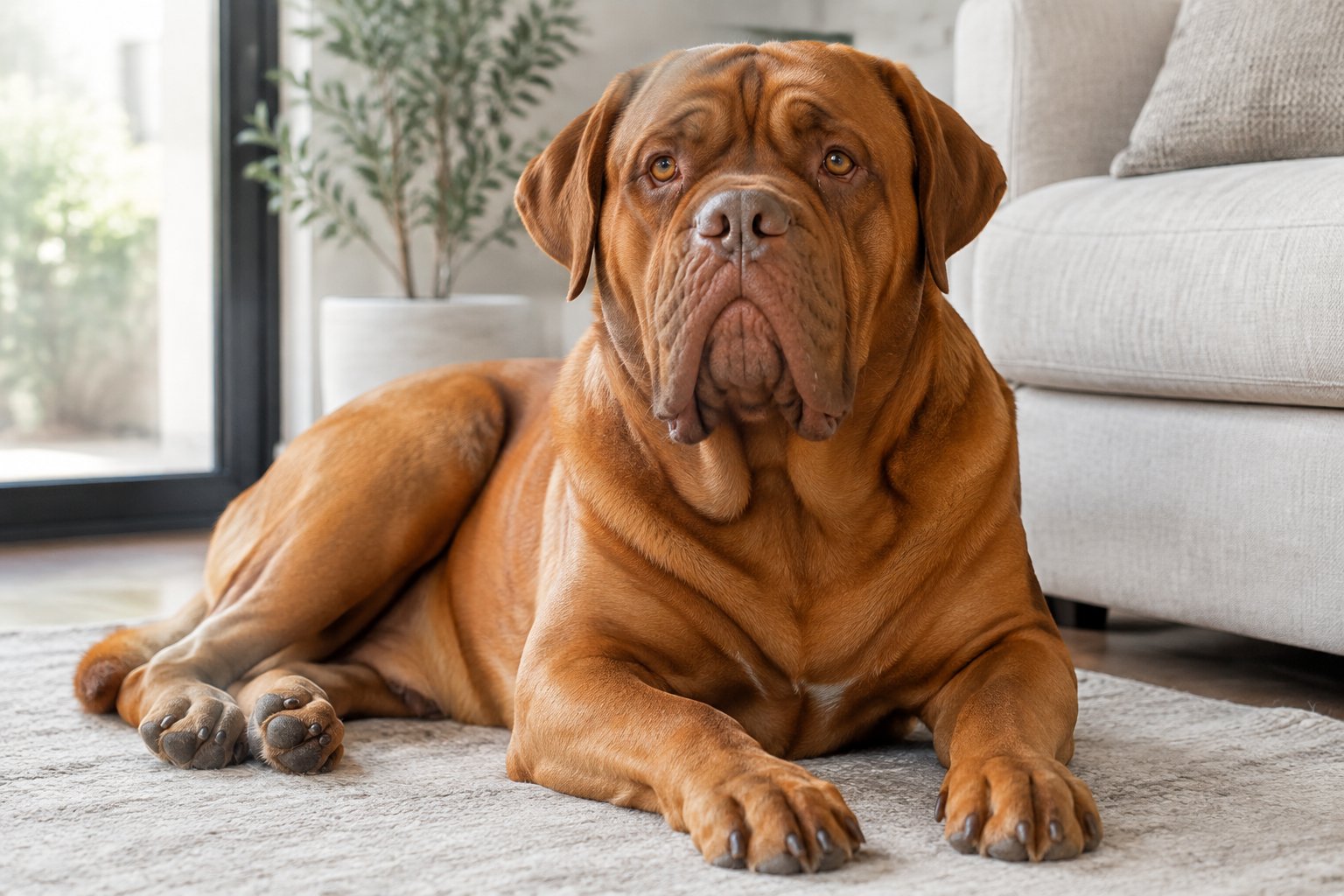
The Dogue de Bordeaux, the big red mastiff from the movie Turner & Hooch, is a pricey breed with one of the shortest lifespans of any dog. A small VetCompass sample of UK dogs that died between 2009 and 2011 found a median age at death of just 5.5 years, the lowest of any breed listed. Even later research groups it among the shortest-lived breeds.
The breed’s massive head and body bring a long list of problems. Heart disease such as aortic stenosis and cardiomyopathy shows up in the breed, along with bloat, hip and elbow dysplasia, and skin fold infections. Many struggle in hot weather. They also drool heavily and eat a lot, so day-to-day costs are high too. Buyers who pay a premium for a Dogue should go in knowing the odds of a long life are not on their side.
7. Pug
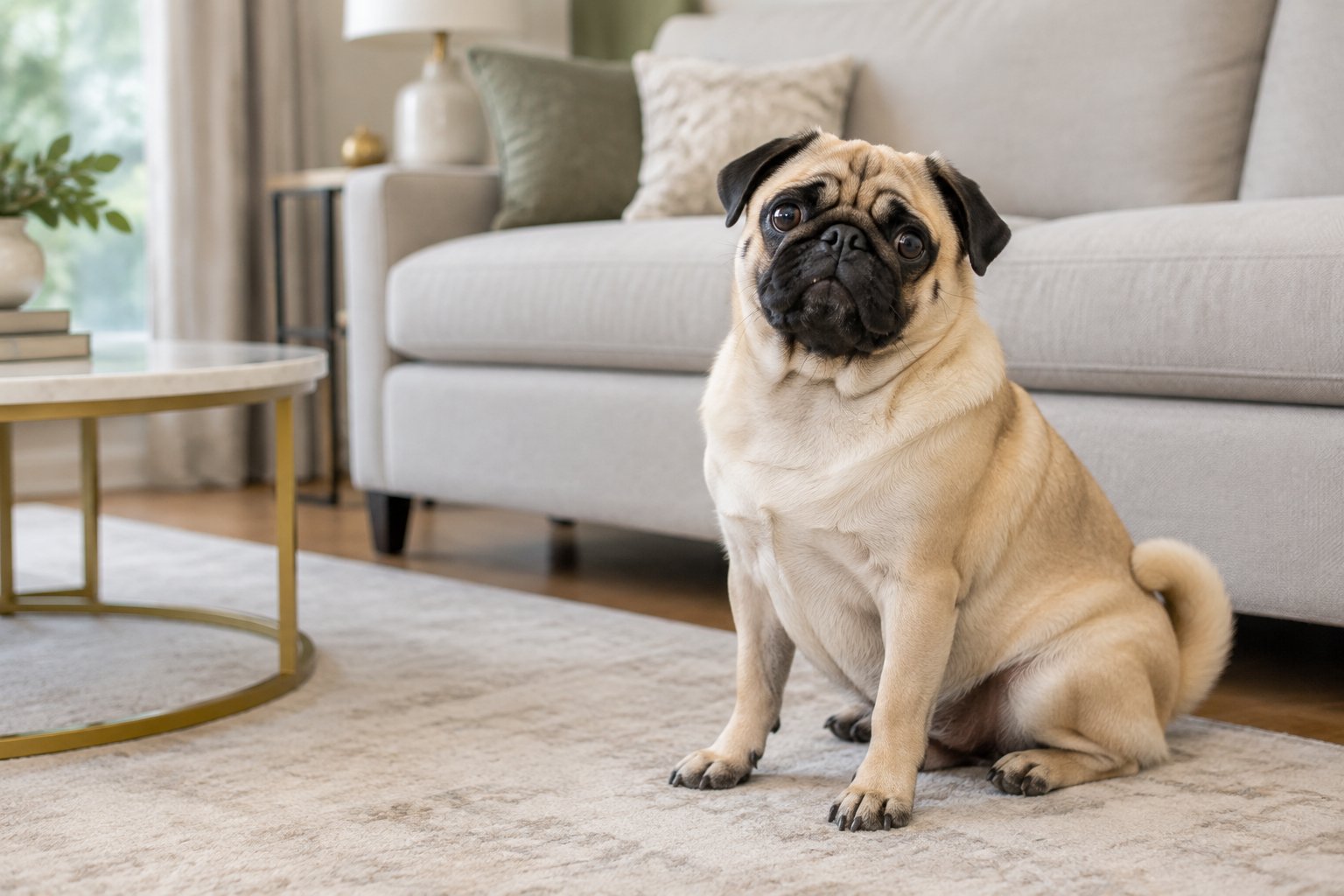
Pugs are charming, funny little dogs, and their popularity keeps prices high. But a 2022 Royal Veterinary College study comparing Pugs with other breeds concluded the breed can no longer be considered a typical dog from a health point of view. Pugs had almost twice the odds of having at least one disorder recorded in a year, and dramatically higher odds of brachycephalic obstructive airway syndrome, the breathing problem caused by their flat faces.
VetCompass life tables gave Pugs a life expectancy of about 7.7 years. Their bulging eyes are easily scratched or ulcerated, and an injury can even push an eye out of its socket. Skin fold infections, obesity and a deadly brain inflammation called pug dog encephalitis also affect the breed. Many Pugs snore, overheat easily and need airway surgery, so the purchase price is only the start.
8. Cane Corso
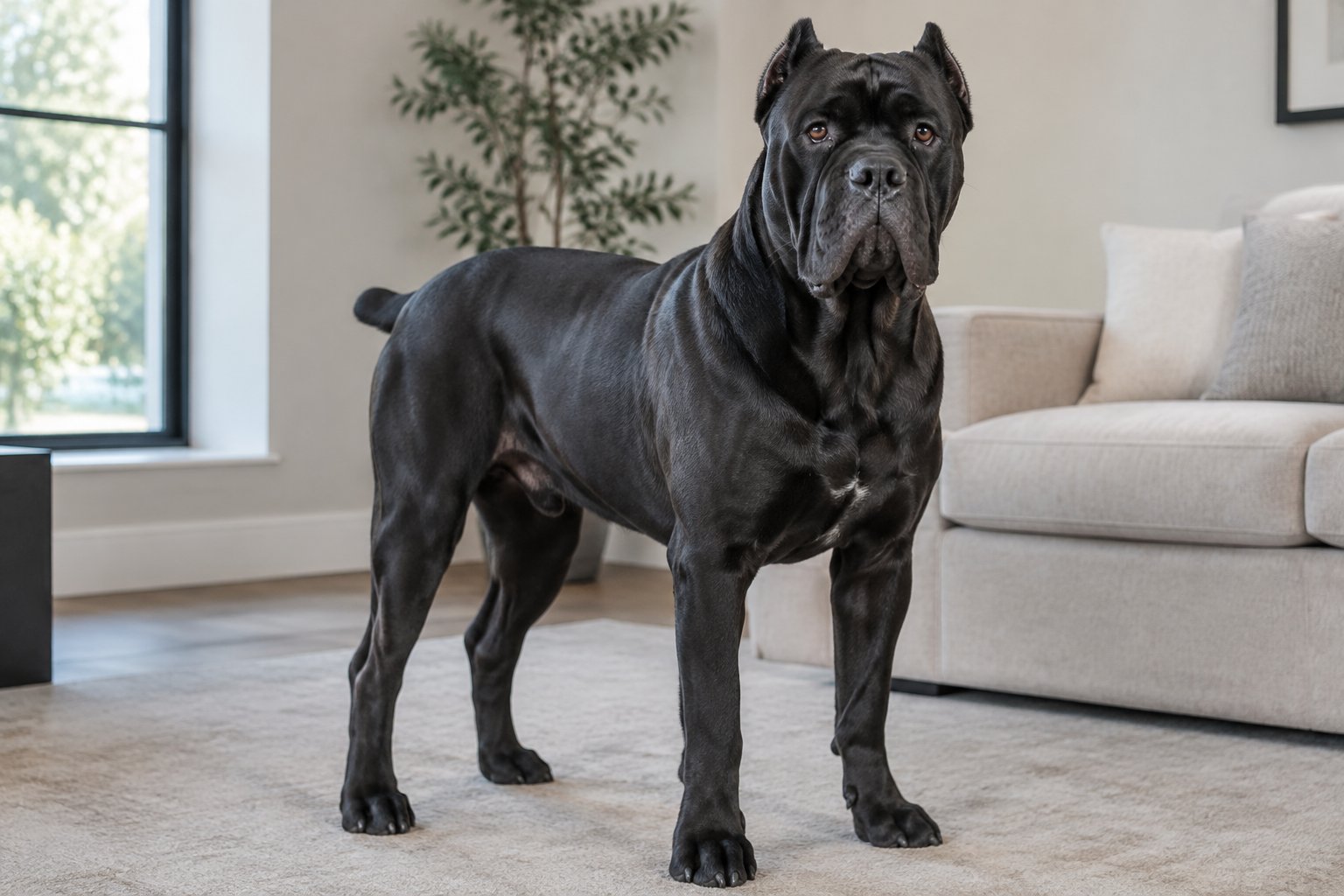
The Cane Corso has shot up the popularity charts, and puppies from well-known lines sell for serious money. Many buyers want one as a guard dog, but this is a powerful, strong-willed breed that needs experienced handling and lots of training, and some landlords and insurers restrict it.
Health is the other cost. Like most large mastiff breeds, the Corso is prone to hip and elbow dysplasia, bloat and eyelid problems such as entropion and ectropion, where the eyelid rolls in or droops out. In a 2024 GoCompare analysis of UK pet insurance prices, the Cane Corso was the single most expensive breed to insure. The AKC lists a typical lifespan of 9 to 12 years, shorter than many family dogs. If you pay top dollar for a Corso, budget for training, insurance and joint care too.
9. Chinese Shar-Pei
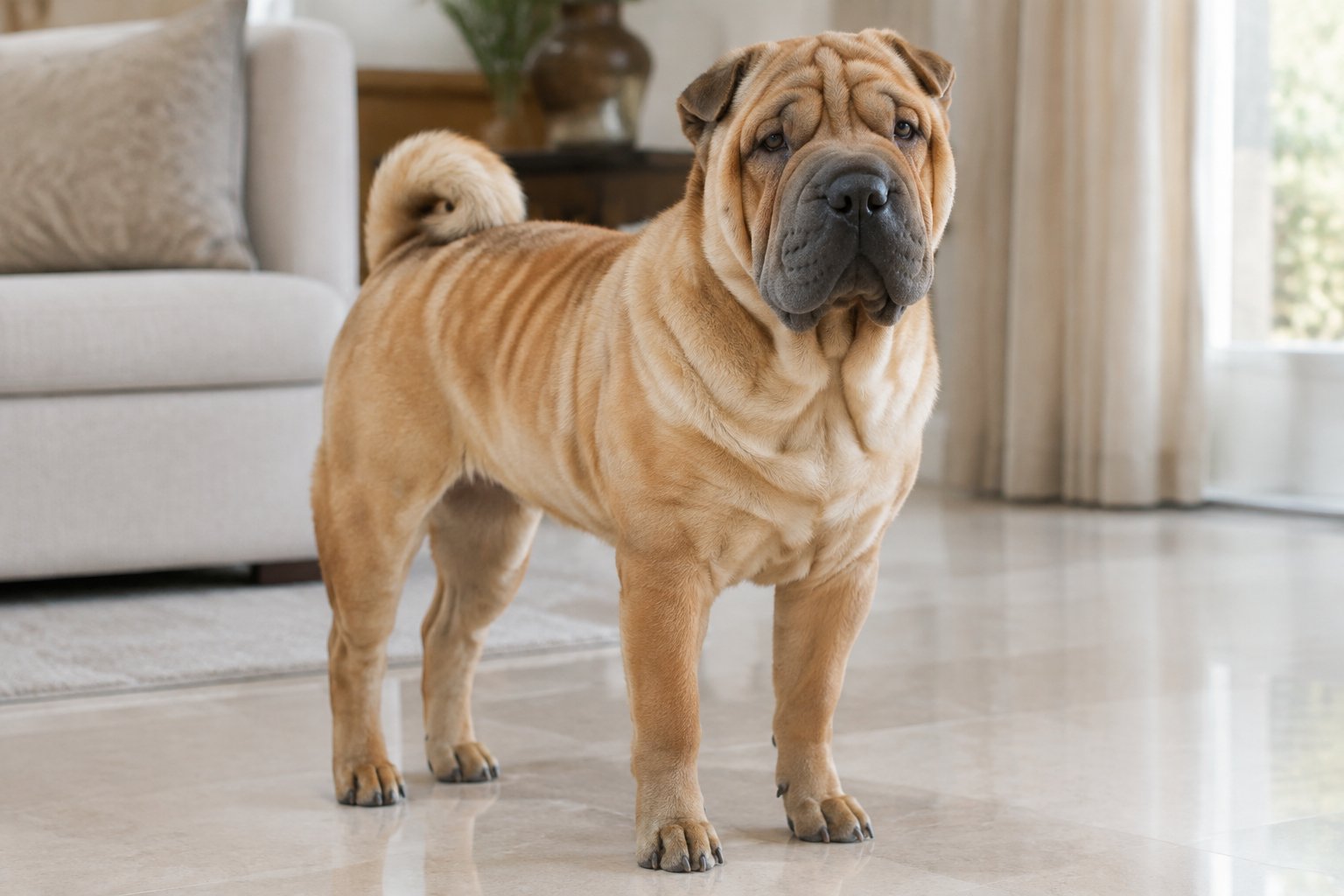
The wrinkly Shar-Pei looks one of a kind, and buyers pay for that look. Those famous folds, though, are behind many of the breed’s health problems.
The skin folds trap moisture and bacteria, so skin infections are common. Entropion, where the eyelids roll inward and rub the eye, is so widespread in the breed that many puppies need their eyelids tacked or surgically corrected. The breed also has its own inherited disease, familial Shar-Pei fever, which causes repeated bouts of high fever and swollen hocks. Over time it can lead to amyloidosis, where abnormal protein builds up in the kidneys and can cause kidney failure. Ear infections are frequent too, because the ear canals are narrow. Owners often end up with ongoing vet visits, medicated shampoos and specialist eye care for a dog that cost plenty to begin with.
10. Irish Wolfhound
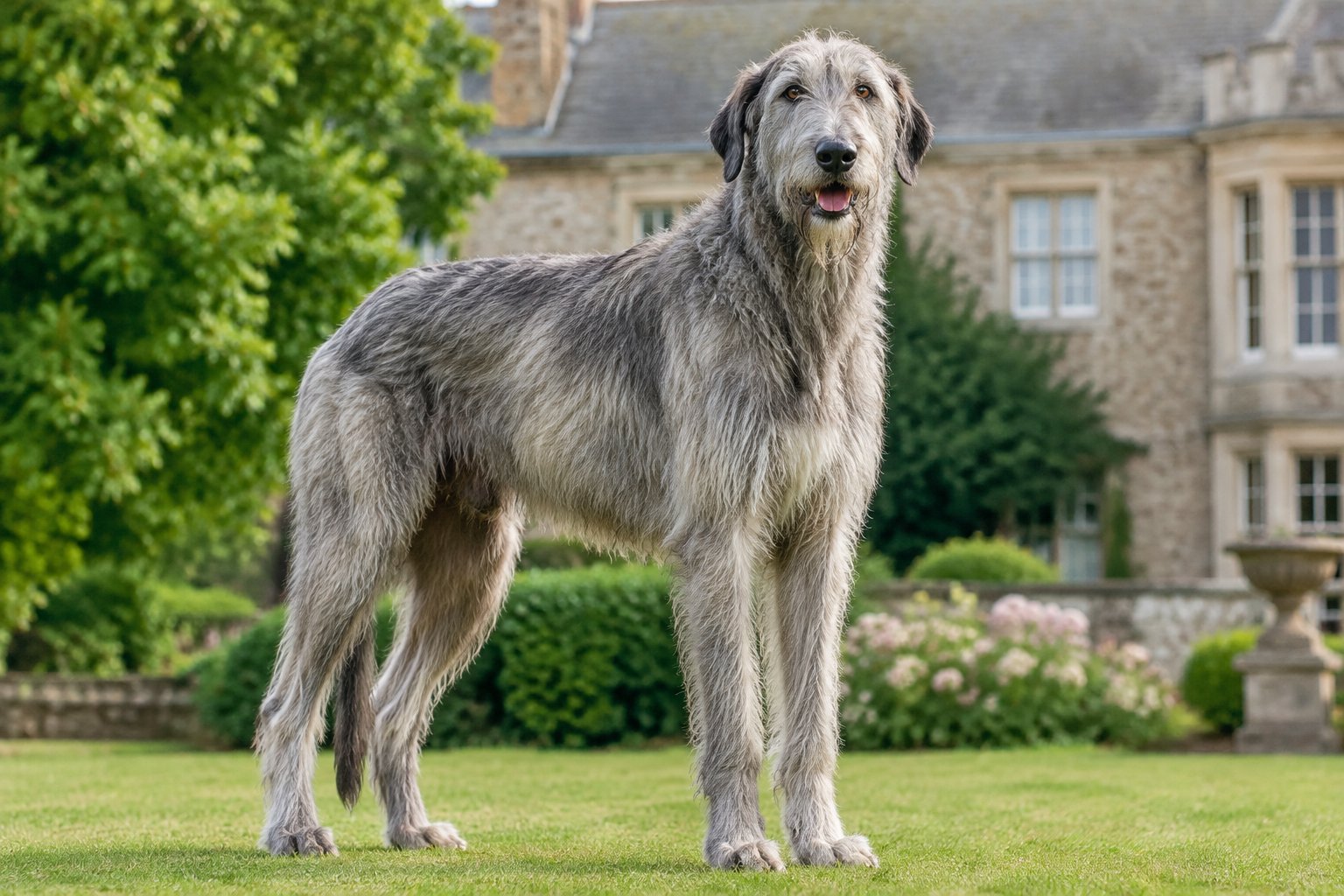
The Irish Wolfhound is the tallest dog breed, and buying one from a good breeder isn’t cheap. Feeding and housing a dog that size isn’t either. The hard part is how little time you get. The Irish Wolfhound Club of America gives a lifespan of 6 to 8 years, and a review of the breed’s research found average lifespans reported anywhere from about 5 to under 9 years.
Heart disease is the big worry. Dilated cardiomyopathy is common in the breed, and a Swedish study based on insurance data found Irish Wolfhounds were 29 times more likely to die of heart-related causes than the comparison breed. Bone cancer, bloat and joint problems round out the list. Giant dogs also mean giant bills, because medication, anesthesia and even X-rays are priced by size. It’s a gentle, noble breed, but the cost per year of companionship is high.
11. Great Dane
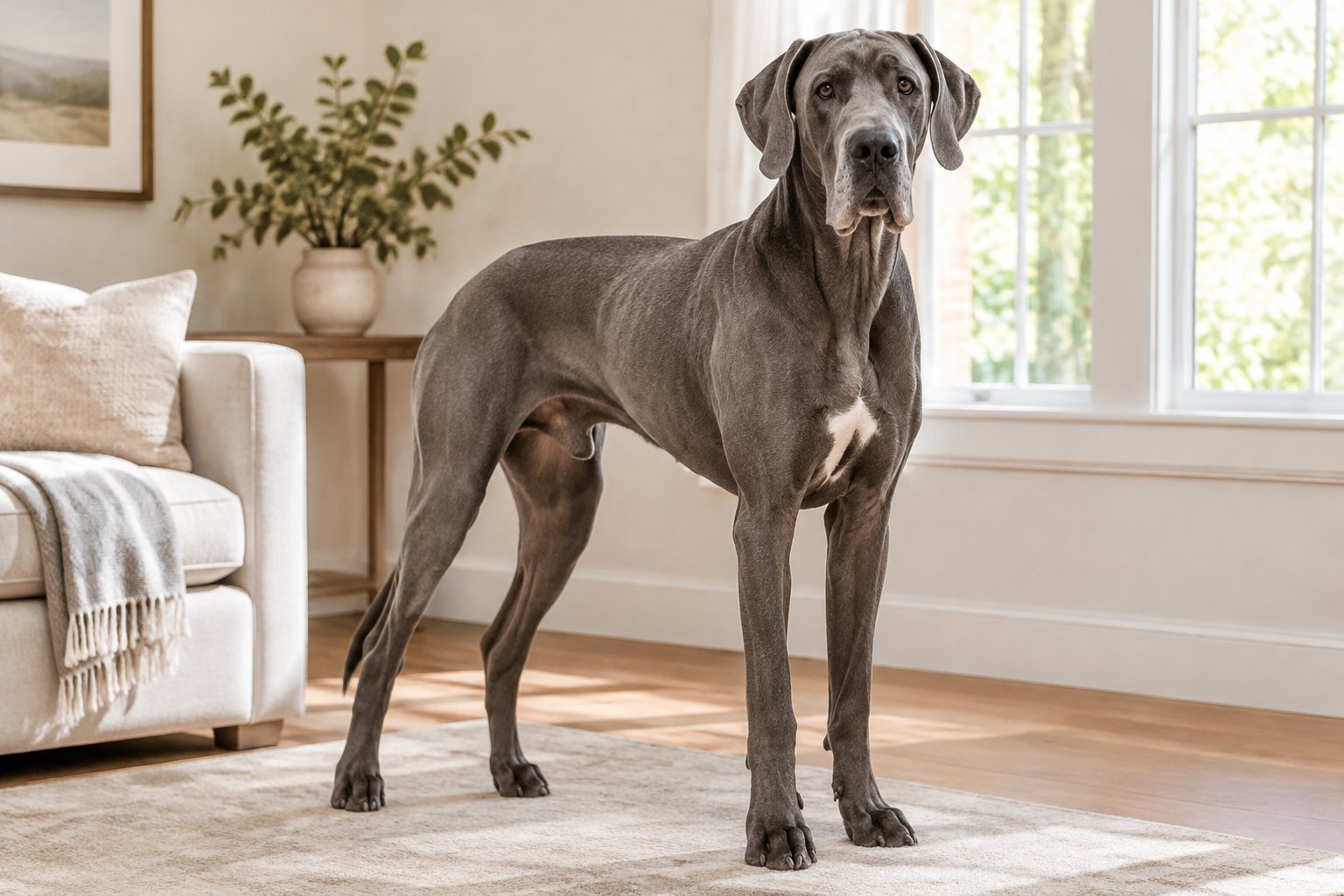
Great Danes are gentle giants, and well-bred puppies from health-tested parents carry a high price. Their biggest risk is bloat, or gastric dilatation-volvulus, a life-threatening emergency where the stomach twists. Cornell’s vet school puts the Great Dane first on its list of large, deep-chested breeds prone to it, and a well-known Purdue study estimated a lifetime risk of about 42% for the breed.
Because of that, many owners pay for a preventive stomach-tacking surgery called a gastropexy, often done during spaying or neutering. Danes are also prone to dilated cardiomyopathy, wobbler syndrome (a neck problem that affects walking), bone cancer and joint trouble. The AKC gives a lifespan of 7 to 10 years. Everything costs more with a dog this size, from food and beds to medicine and surgery, so the price tag at purchase is just the down payment.
12. Chow Chow
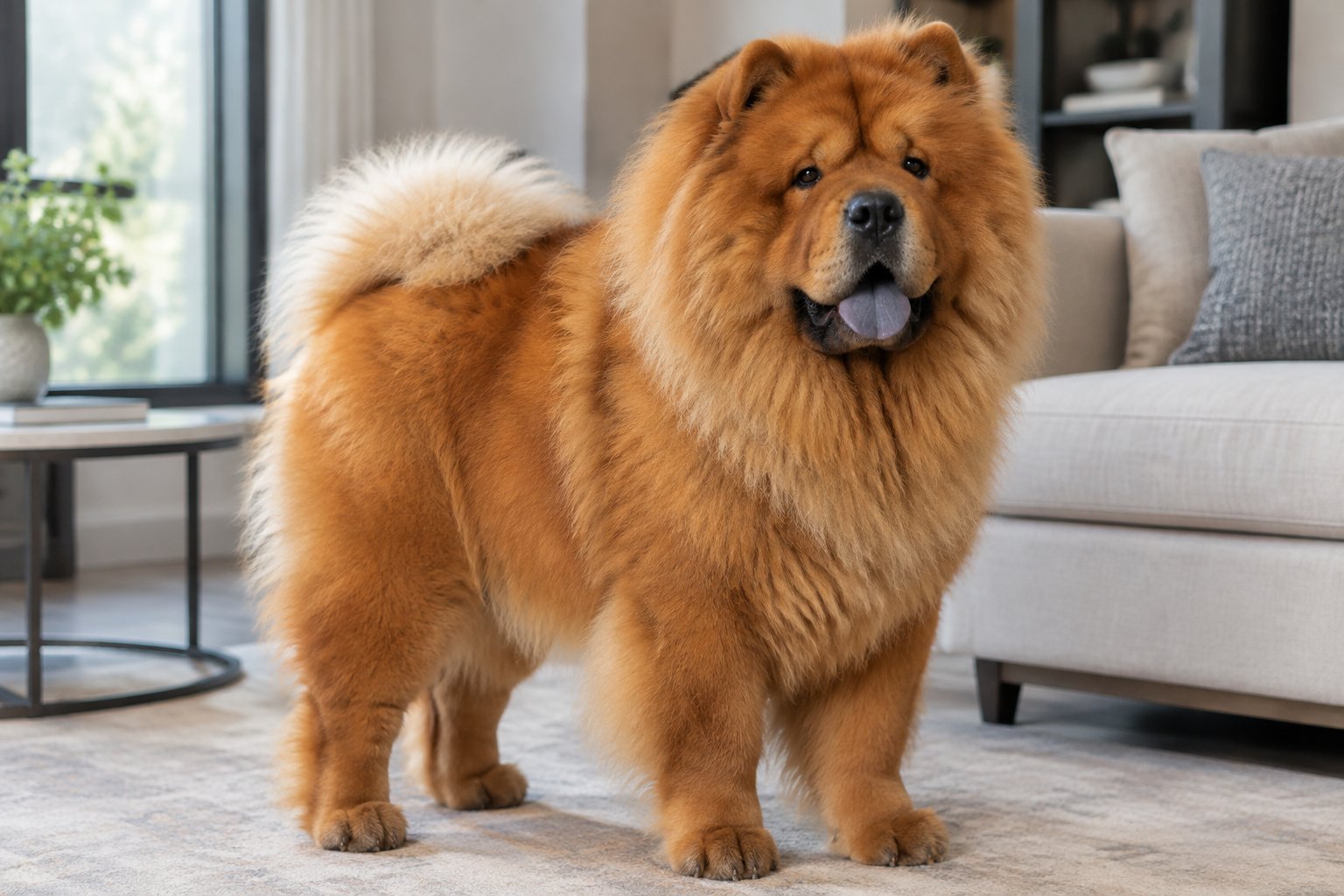
The Chow Chow’s lion-like mane and blue-black tongue make it stand out, and puppies sell for a lot. But it’s one of the breeds that costs the most in upkeep. Chows are prone to entropion, where the eyelids roll inward and scratch the eye, and many need surgery to fix it. Hip and elbow dysplasia are common, and their deep-set eyes and thick coats bring skin and eye problems.
That dense double coat needs regular brushing to prevent mats and hot spots, and the breed handles heat poorly. Chows are also known for being aloof and independent, so they aren’t the easy, friendly family dog some buyers expect. In GoCompare’s 2024 UK analysis, the Chow Chow ranked among the five most expensive breeds to insure. You’re paying a premium for looks, and then paying again for grooming and eye care.
13. Samoyed
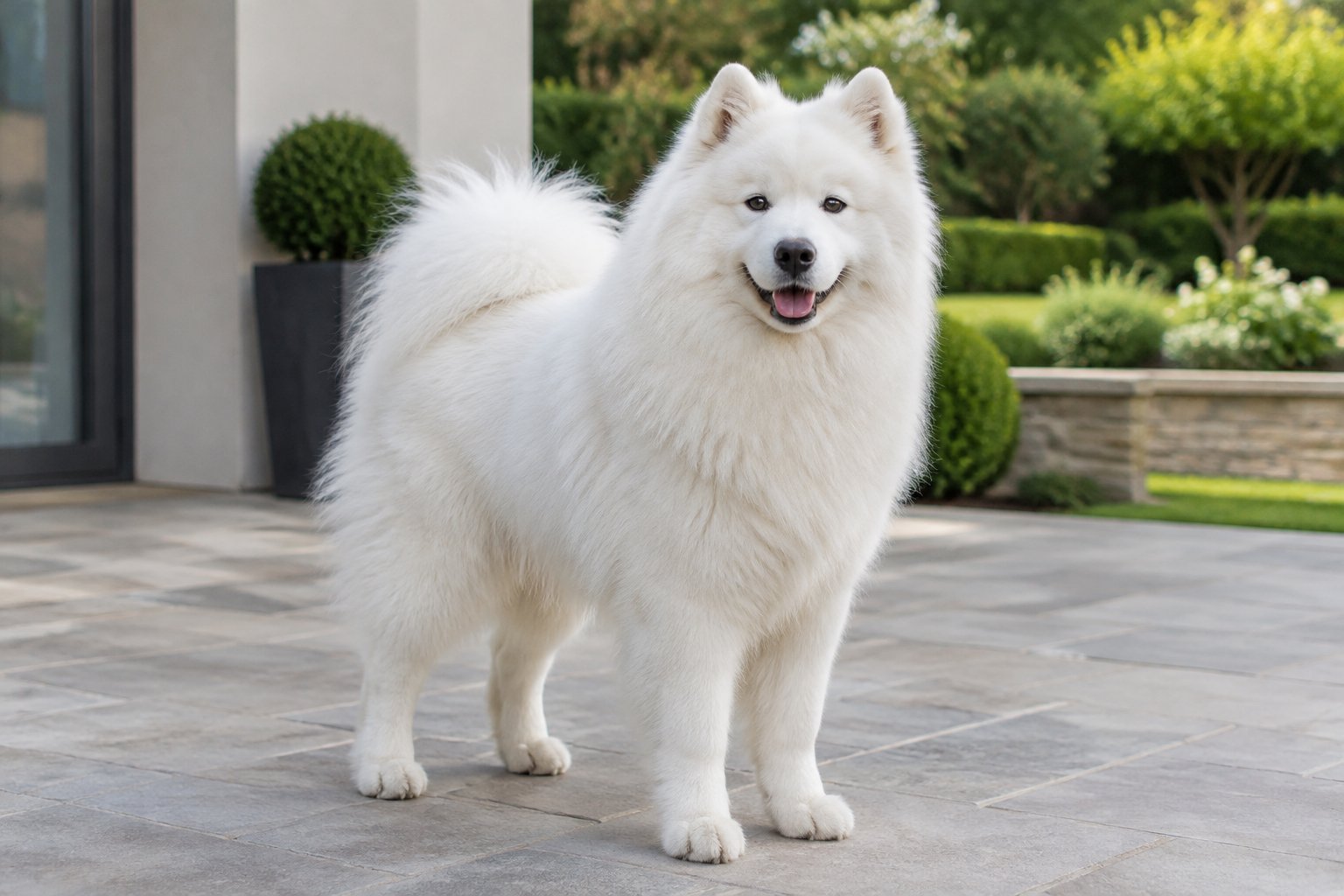
With its fluffy white coat and famous “Sammy smile,” the Samoyed is one of the most photographed breeds online, and demand keeps puppy prices high. Behind the smile is a dog with real care needs and some serious inherited conditions.
Samoyeds are prone to hip dysplasia and eye diseases such as progressive retinal atrophy. The breed also has its own inherited kidney disease, Samoyed hereditary glomerulopathy, which can cause kidney failure in young males, and Samoyeds are among the breeds more likely to develop diabetes. That gorgeous coat sheds heavily and needs hours of brushing, and the breed was built for cold, so heat is a concern. Samoyeds are also vocal, energetic working dogs that get destructive when bored. If you’re paying top dollar for the look, know that the grooming and exercise bill comes with it.
14. Doberman Pinscher
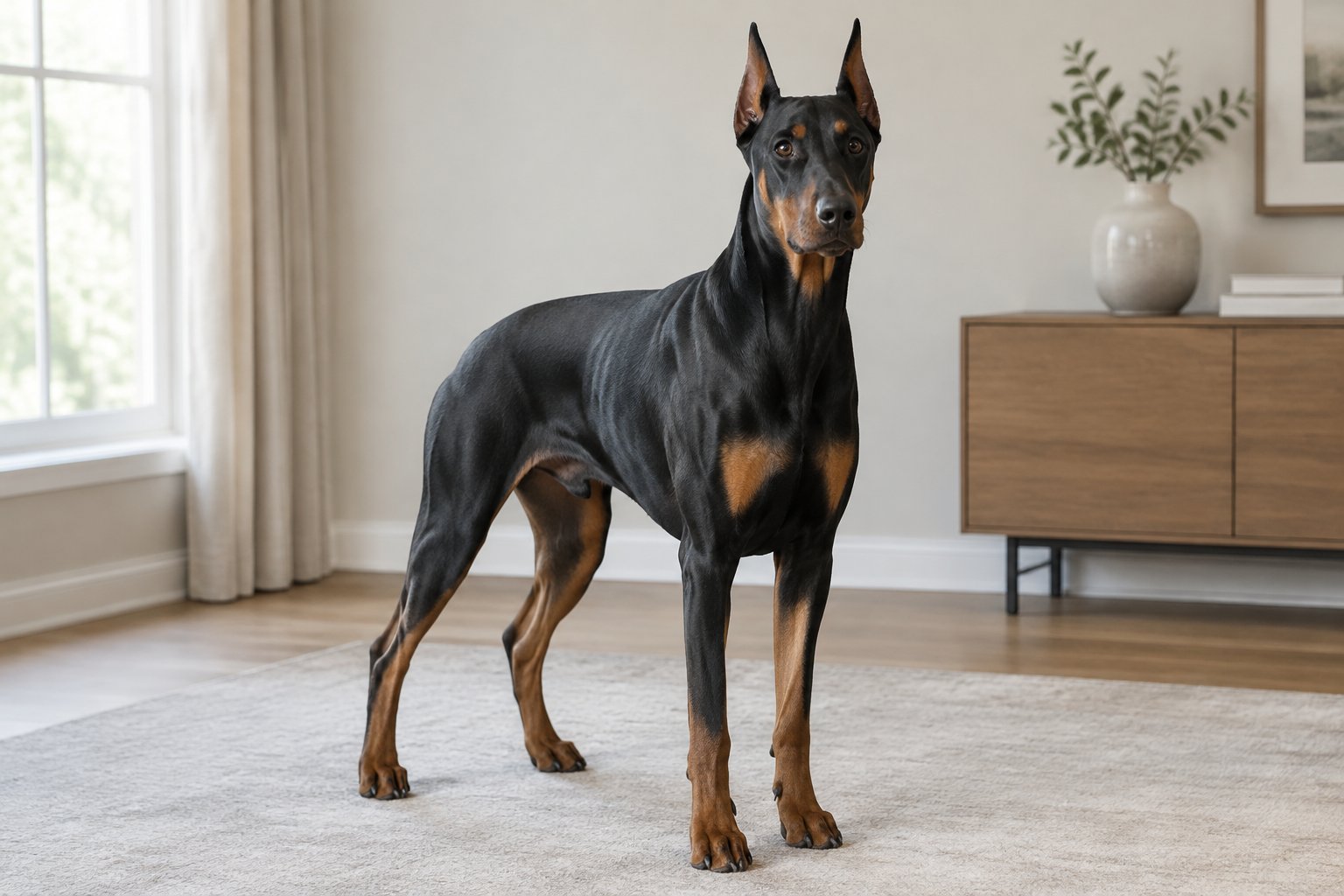
Dobermans are smart, loyal and athletic, and puppies from proven lines are expensive. The breed’s biggest problem is its heart. A study of 412 European Dobermans found that about 58% developed dilated cardiomyopathy, a disease where the heart muscle weakens and enlarges. It can cause sudden death, sometimes in dogs that seemed perfectly healthy.
Because of that, vets recommend yearly heart screening with a 24-hour Holter monitor and echocardiograms, which adds a real cost every year. Dobermans can also inherit von Willebrand disease, a bleeding disorder, and wobbler syndrome, a neck condition that affects walking. There are DNA tests for some of these, and good breeders use them, but no test fully rules out heart disease. You pay a premium for a beautiful, devoted dog with a high chance of a serious heart problem.
15. Golden Retriever

Golden Retrievers are America’s classic family dog, and that demand has pushed puppy prices way up, especially for pale “English cream” or “white” goldens marketed as rare. They aren’t a separate breed; they’re simply lighter-colored Golden Retrievers, and the color says nothing about health.
The real issue for this breed is cancer. The Golden Retriever Club of America has estimated that around 60% of goldens die of cancer, especially hemangiosarcoma and lymphoma. The problem is serious enough that the Morris Animal Foundation launched the Golden Retriever Lifetime Study, following more than 3,000 goldens through their lives to find out why. Hip and elbow dysplasia, skin allergies, ear infections and hypothyroidism are also common. Goldens are wonderful dogs, but paying extra for a trendy coat color doesn’t buy you a healthier one.
16. Leonberger
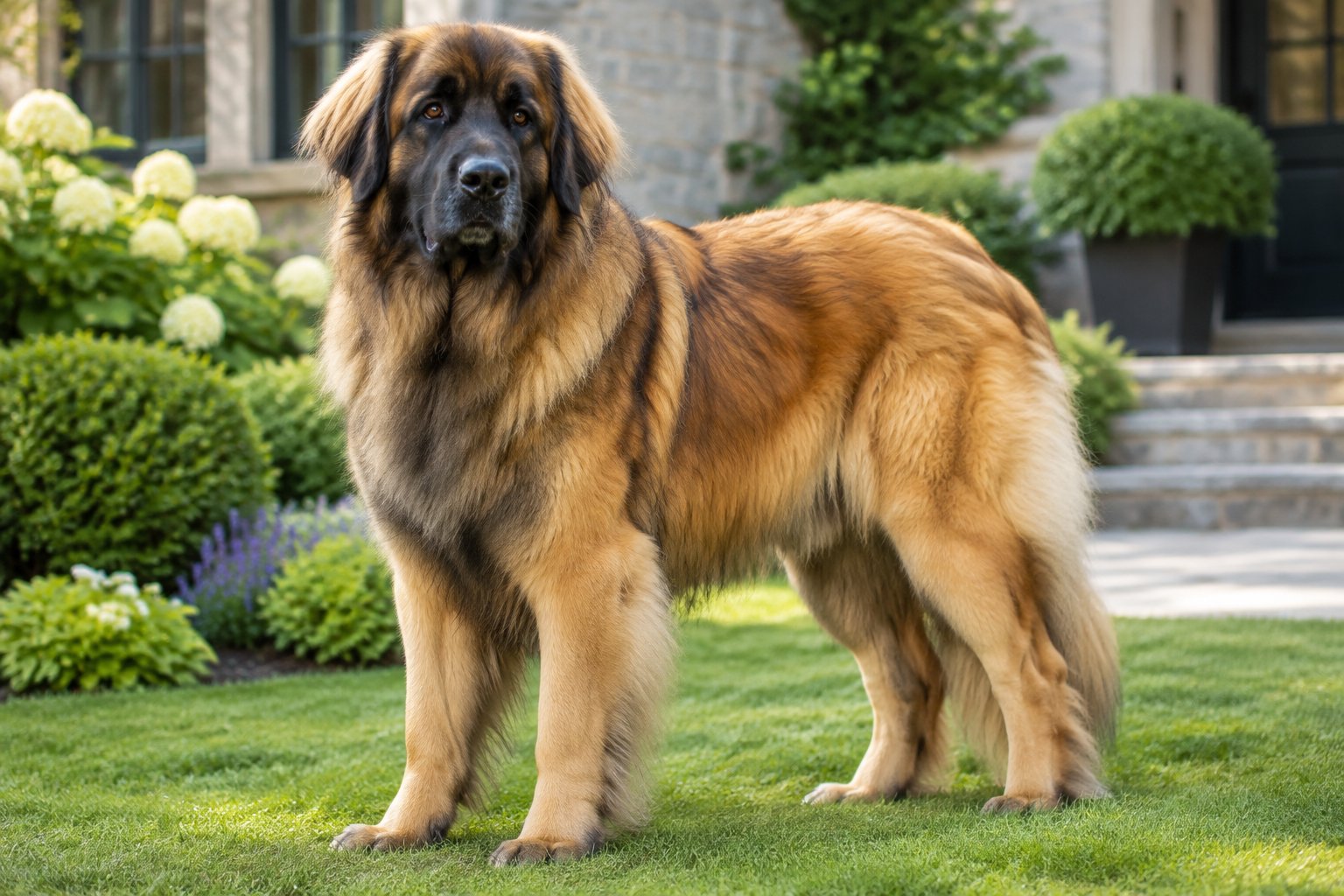
The Leonberger is a giant, lion-maned family dog that is still fairly rare in the US, which makes puppies expensive and waiting lists long. Like most giant breeds, it doesn’t live long, and it carries some inherited diseases specific to the breed.
The best known is Leonberger polyneuropathy, a nerve disease that causes weakness, an odd gait and breathing or voice changes. Researchers have found DNA mutations, known as LPN1 and LPN2, that together explain only part of the cases, so even tested dogs can be affected. The breed is also prone to bone cancer and hemangiosarcoma, plus hip dysplasia, bloat and eyelid problems. Feeding and grooming a dog this size adds up fast, and medication doses go up with weight. Leos are lovely companions, but their price buys a short, expensive life more often than buyers expect.
17. Neapolitan Mastiff
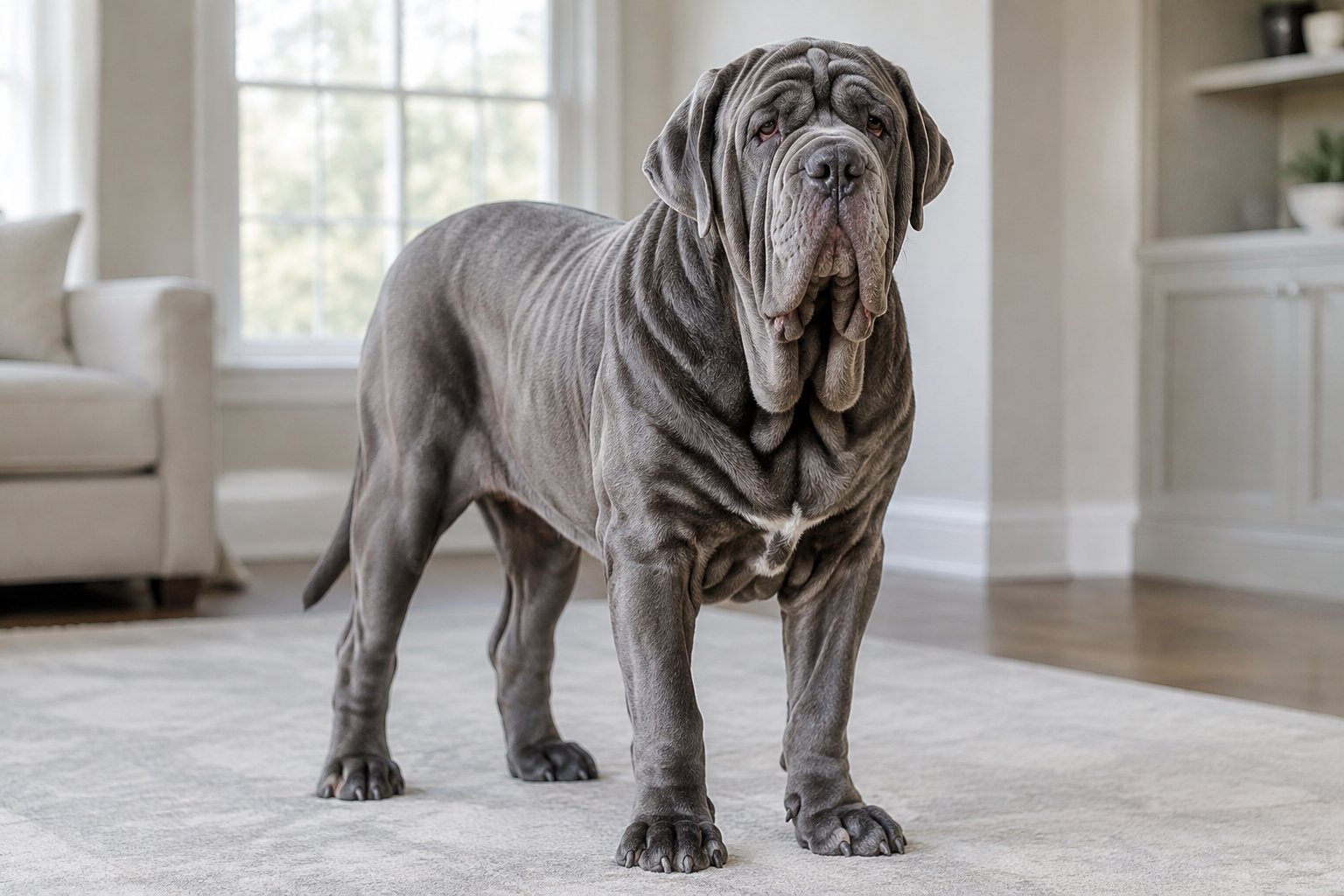
The Neapolitan Mastiff, with its dramatic folds and heavy jowls, is a costly breed to buy and a costly one to keep. All that loose skin is bred on purpose, and it causes many of the breed’s problems.
The eyelids often droop or roll inward, so cherry eye, entropion and ectropion are common and may need surgery. Skin fold infections need constant cleaning. Like other giant mastiffs, Neos are prone to hip and elbow dysplasia, bloat and heart disease, and they handle heat poorly. The AKC gives a lifespan of just 7 to 9 years. Neos also drool a lot, eat a lot and need a strong, experienced owner, since they were bred as guardians. When you add up the purchase price, giant-dog vet bills and a short life, few breeds give you less time per dollar.
18. Boston Terrier
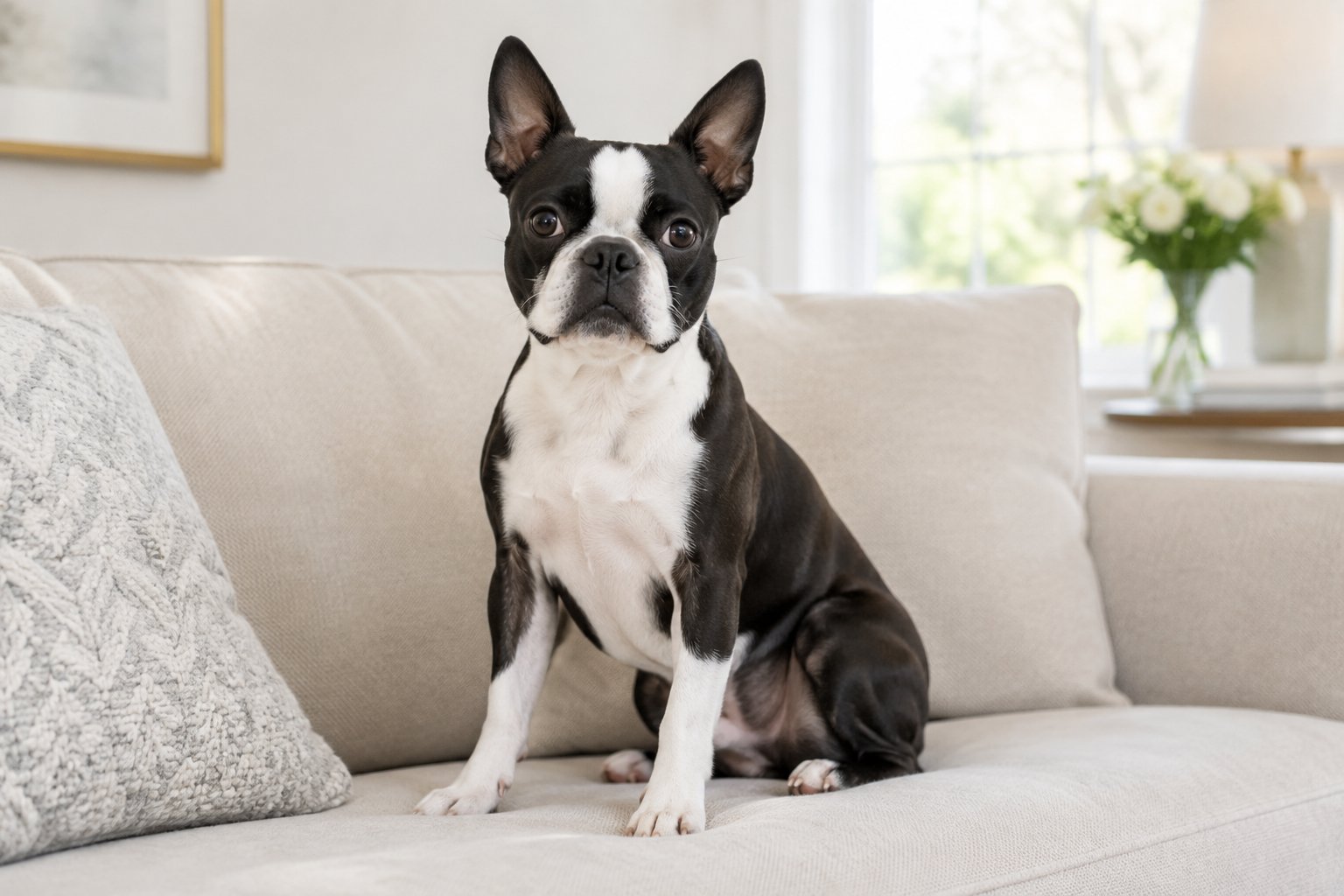
The Boston Terrier is small, friendly and easy to live with, which makes it a popular choice, and breeding costs keep puppy prices higher than you might guess. A survey of UK Kennel Club breeders found that about 92% of Boston Terrier litters were delivered by C-section, one of the highest rates of any breed. That surgery cost gets passed on to buyers.
Bostons are a flat-faced breed, so many have narrowed nostrils and airway problems that make them snore, overheat and struggle with exercise. Their large, prominent eyes are prone to injuries, corneal ulcers and cataracts. Skin allergies, luxating kneecaps and deafness also show up in the breed. Many Bostons live long, happy lives, but buyers should look for open nostrils and ask breeders about eye and airway health before paying a premium.
19. Rottweiler
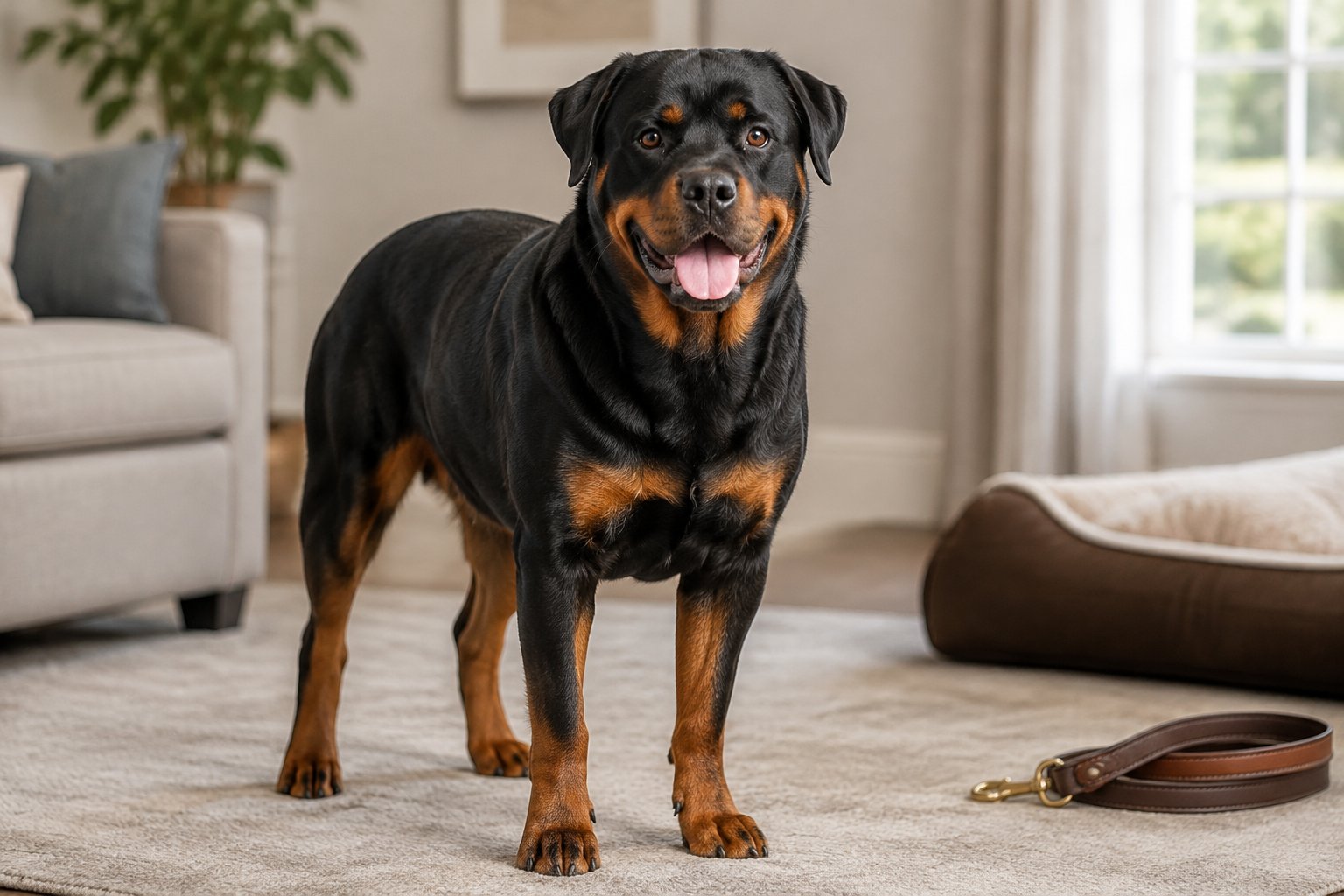
Rottweilers are powerful, loyal dogs, and puppies from European or show lines can be very expensive. The breed, though, carries a high cancer risk. Rottweilers are one of the breeds most at risk of osteosarcoma, an aggressive bone cancer that often strikes the legs of middle-aged dogs, and they are also prone to histiocytic sarcoma and lymphoma.
Joint problems are common too. Hip and elbow dysplasia and cruciate ligament tears can mean costly surgery, and a heart defect called subaortic stenosis appears in the breed. The AKC gives a lifespan of 9 to 10 years. Rotties also need serious training and socialization from day one, and some insurers and landlords restrict them. A well-bred Rottweiler can be a great companion, but you’re paying a lot for a dog with a higher-than-average chance of a hard diagnosis.
20. Newfoundland
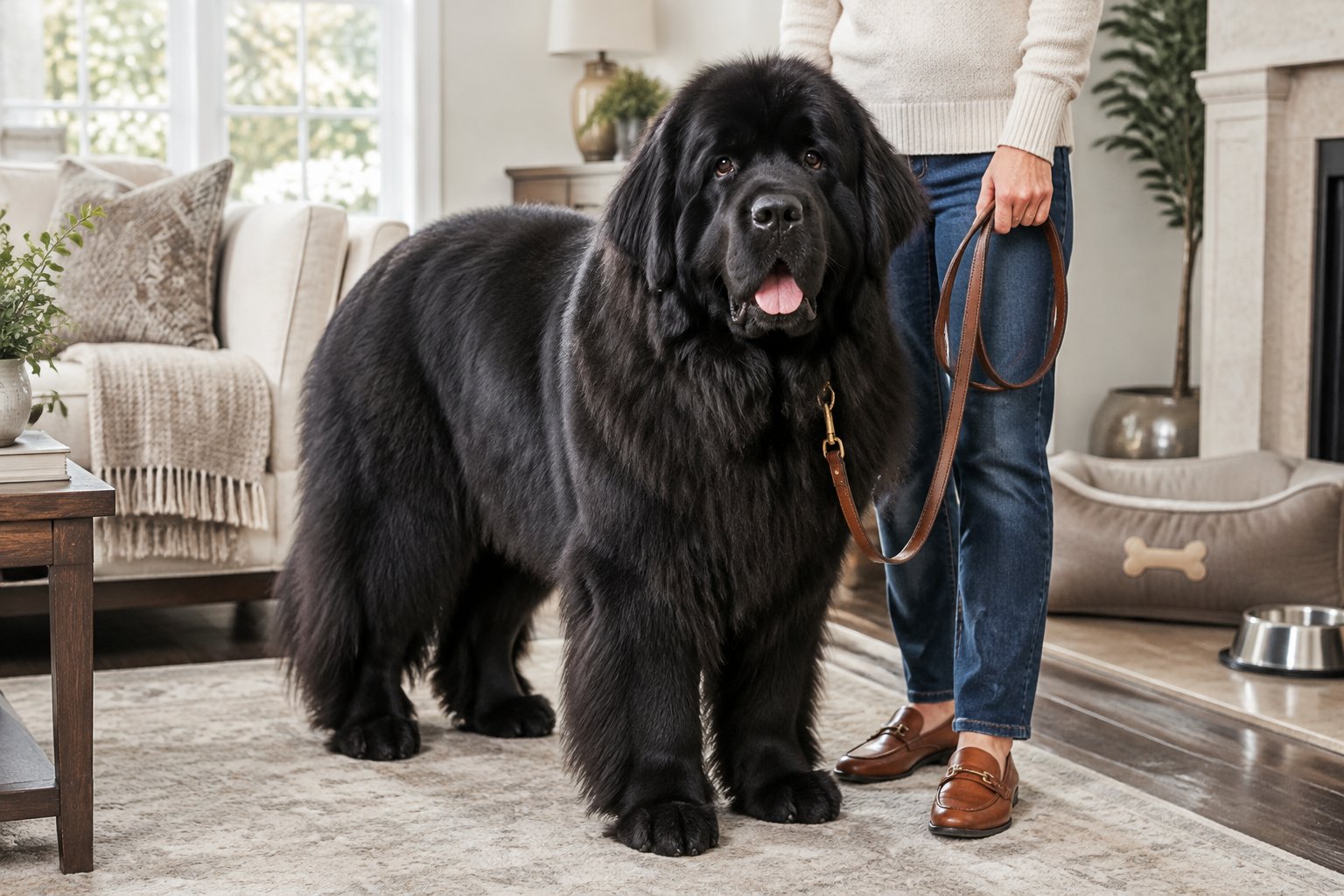
Newfoundlands are famously sweet, patient giants, and their puppies are pricey. They’re also one of the more expensive breeds to keep, starting with food and the sheer size of everything they need.
Health problems are common in the breed. Subvalvular aortic stenosis, a narrowing below a heart valve, is a known inherited issue, and responsible breeders have hearts checked by a cardiologist. Cystinuria, which causes bladder stones that can block the urinary tract, has a DNA test, and Newfies are prone to hip and elbow dysplasia and torn cruciate ligaments. The AKC lists a lifespan of 9 to 10 years. Add a thick, shedding coat that needs regular grooming, plus drool everywhere, and you have a breed that costs far more than its purchase price over a fairly short life.
21. Saint Bernard
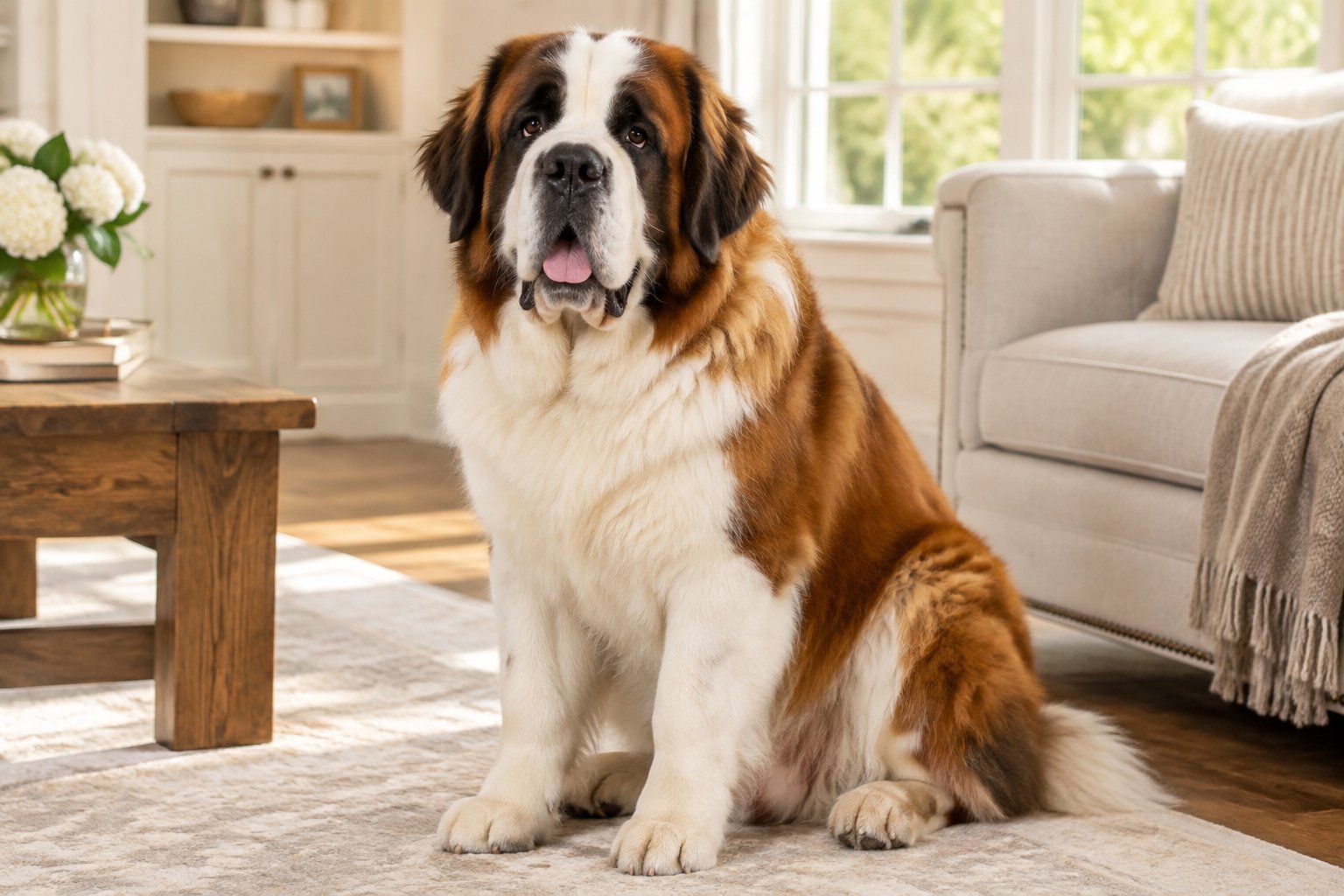
The Saint Bernard is a beloved giant with a big price tag, both at purchase and every month after. The AKC gives the breed a lifespan of 8 to 10 years.
Like other giant breeds, Saints are prone to bloat, which can kill within hours without emergency surgery. Hip and elbow dysplasia are common, and dilated cardiomyopathy and bone cancer both appear in the breed. Their droopy eyelids can lead to entropion, ectropion and cherry eye, and their heavy bodies and thick coats make them overheat easily. Feeding a dog that can weigh well over 100 pounds isn’t cheap, and medicine and anesthesia doses climb with size. Saints are gentle and devoted, but buyers often underestimate how much a giant dog with this many health risks will cost in a short time.
22. Bullmastiff
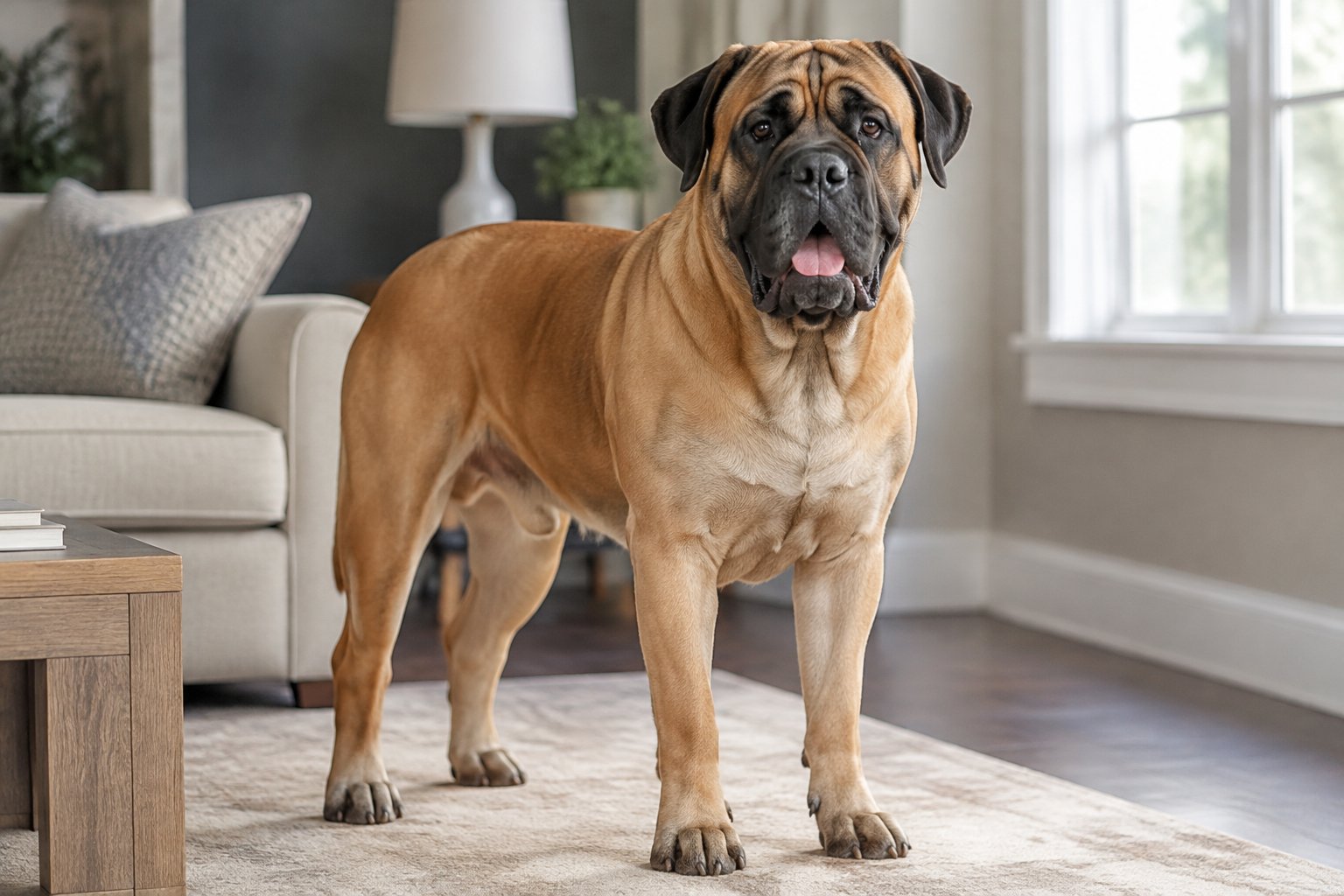
The Bullmastiff was bred to guard English estates, and today well-bred puppies are expensive. The AKC gives the breed a lifespan of just 7 to 9 years, and the health list is long for that short time.
Bullmastiffs are prone to lymphoma, a cancer of the lymph nodes, along with bloat, hip and elbow dysplasia and eyelid problems like entropion. Their short muzzles can make breathing and heat harder for them than for many large breeds. In a 2020 comparison by the Australian site Mozo, the Bullmastiff came out as the most expensive breed to insure in that country, a good sign of how much insurers expect these dogs to cost. Bullmastiffs are calm and loyal at home, but the combination of a high price, frequent health issues and a short life puts them firmly on this list.
23. Mastiff
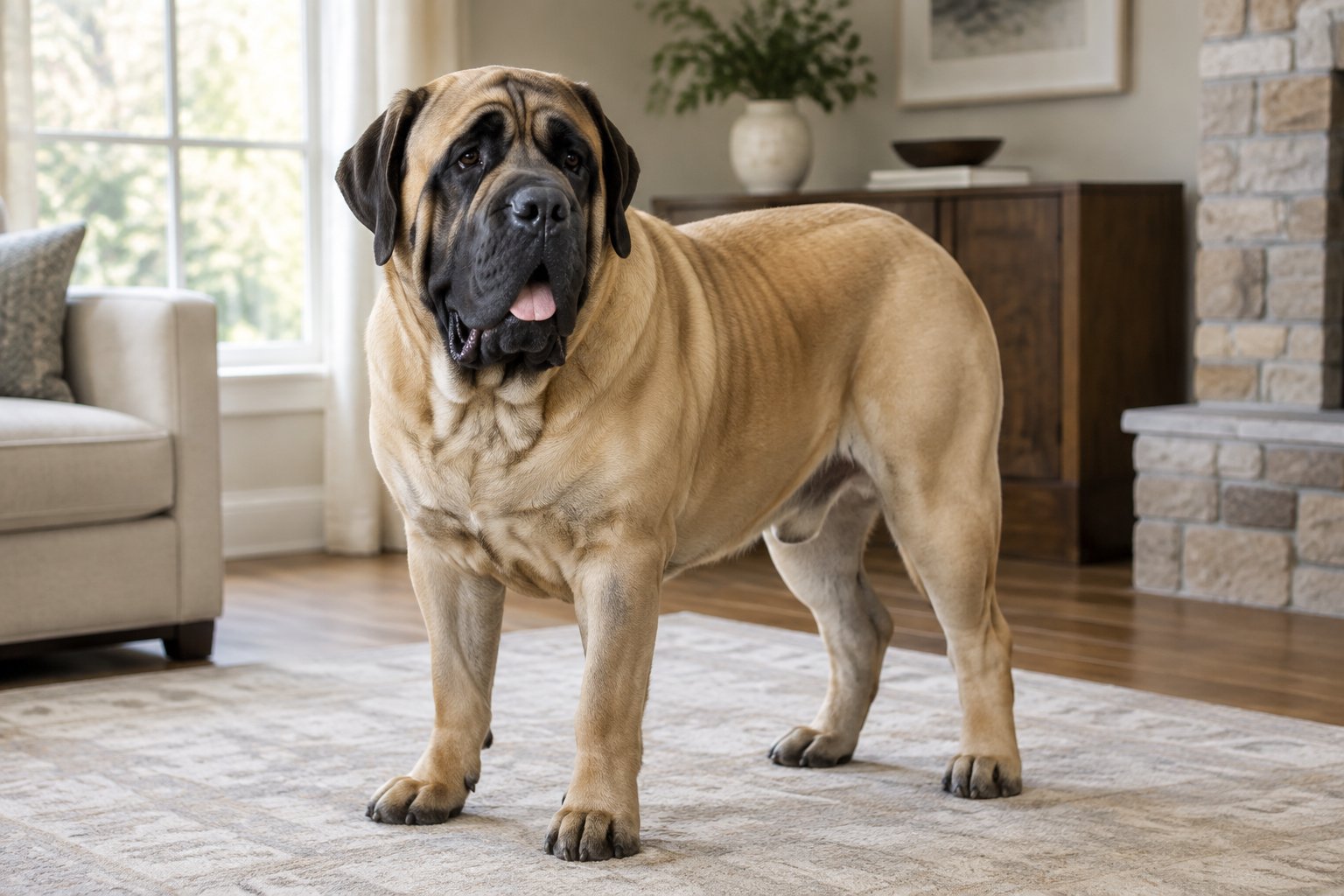
The English Mastiff is one of the heaviest dog breeds, and buying one from a health-testing breeder costs a lot. Insurance data shows what comes next. US insurance comparison sites have reported that the Mastiff has the highest average pet insurance premium of any breed, at more than three times the national average.
That’s because the list of problems is long. Mastiffs are prone to bloat, hip and elbow dysplasia, torn cruciate ligaments, and bone cancer. Cystinuria, which causes bladder stones, and progressive retinal atrophy, an inherited eye disease that leads to blindness, also run in the breed. The AKC gives a lifespan of 6 to 10 years. Everything is bigger with a Mastiff, from the food bill to the dose of every medication. They are gentle, mellow dogs, but they are among the costliest breeds to own for the time you get with them.
24. Pomeranian

Pomeranians are tiny, fluffy and very popular, and sellers charge extra for so-called “teacup” or “micro” Poms. There is no such official size. Breeding for ever-smaller dogs often means using runts and can increase health problems, so the most expensive Poms may be the least healthy.
Even standard-sized Poms have well-known issues. Collapsing trachea, where the windpipe weakens and flattens, causes a honking cough. Luxating kneecaps are common, and dental disease is a big problem in such small mouths, often leading to tooth extractions. The breed is also known for a hair-loss condition called alopecia X, sometimes called black skin disease. Tiny Poms can suffer low blood sugar and are easily injured by falls or being stepped on. Poms often live long lives, but paying a premium for an extra-small one is paying more for more risk.
25. Yorkshire Terrier

Yorkshire Terriers are actually one of the longer-lived breeds; VetCompass life tables gave them a life expectancy of about 12.5 years. So why are they here? Because so many are sold as pricey “teacup” Yorkies, and that’s where the value falls apart.
There is no official teacup size, and breeding very tiny dogs raises the risk of problems. Yorkies are more likely than most breeds to be born with a liver shunt, a blood vessel defect that keeps the liver from filtering toxins and often needs surgery. They are prone to collapsing trachea, luxating kneecaps, low blood sugar as puppies, and severe dental disease, since their small mouths crowd the teeth. Their long silky coat also needs regular grooming. A standard, well-bred Yorkie can be a good value, but extra-small ones often cost more to buy and more to keep alive.
26. Dachshund
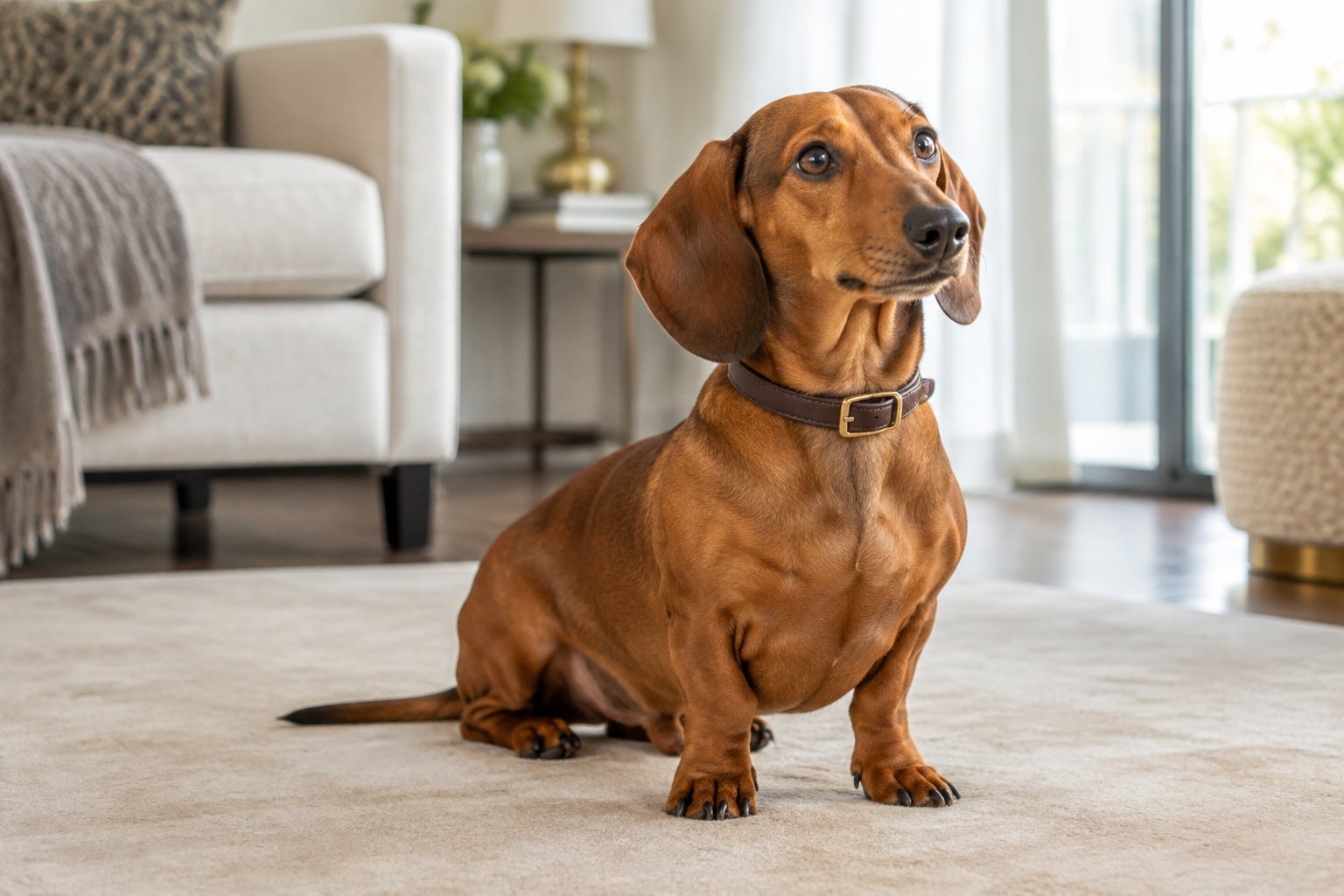
Dachshunds are popular, and sellers charge extra for fancy coat patterns like dapple and piebald, or for miniature sizes. Breeding two dapple (merle) dogs together produces “double dapples,” which have a much higher risk of being born blind or deaf.
The breed’s biggest problem comes from its long back and short legs. Dachshunds are the breed most at risk of intervertebral disc disease, where a spinal disc ruptures and presses on the spinal cord. Estimates suggest about one in four Dachshunds will have back problems at some point, ranging from pain to sudden paralysis, and spinal surgery often costs thousands of dollars. Keeping them lean and limiting jumping off furniture helps lower the risk. Doxies are fun, brave little dogs, but buyers paying extra for a pattern or size should budget for possible back trouble.
27. Shih Tzu

The Shih Tzu is a cheerful lap dog, and puppies, especially “imperial” or extra-small ones, often sell for more than buyers expect. “Imperial” isn’t a recognized size; it’s a marketing label.
The Shih Tzu is a flat-faced breed, so breathing problems, snoring and heat sensitivity are common. Its large, prominent eyes are easily scratched, and dry eye, corneal ulcers and eye injuries are frequent reasons for vet visits. Small, crowded mouths lead to dental disease, and many Shih Tzus need regular cleanings and extractions. Skin and ear allergies show up often too. Then there’s the coat: it grows continuously and needs professional grooming every few weeks, or daily brushing at home, which adds up over a lifespan that can run well into the teens. It’s a sweet companion, but the purchase price is the smallest part of the bill.
28. Pekingese
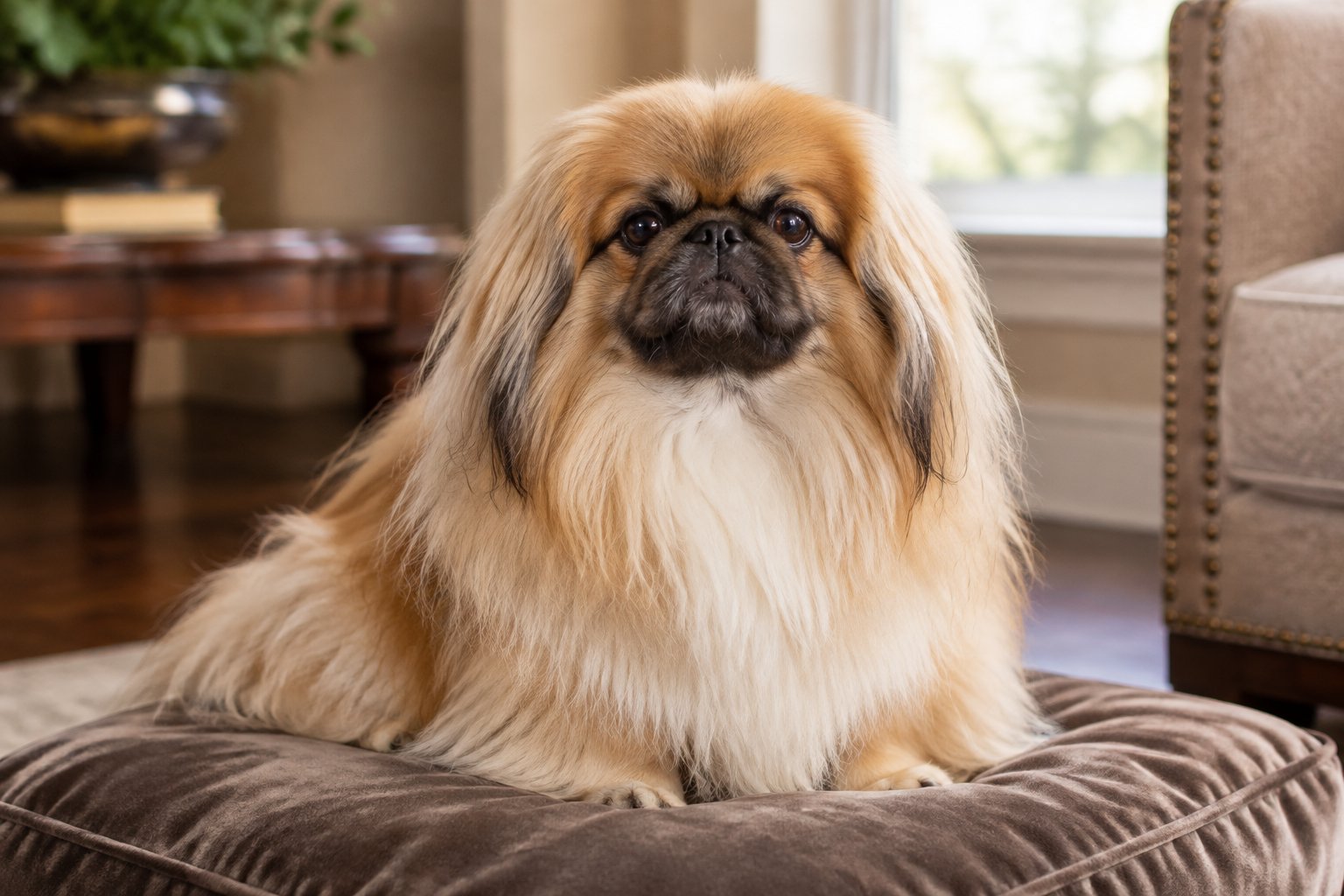
The Pekingese was once kept by Chinese royalty, and good puppies are still fairly expensive and hard to find. The breed, though, has been bred toward an extremely flat face and long, low body, and that brings a lot of health problems.
Pekes are prone to breathing problems from their short muzzles and often struggle in heat or with exercise. Their large, bulging eyes are at real risk of injury, and an eye can even slip out of its socket after a minor bump. Like other long-backed breeds, they’re at risk of intervertebral disc disease. Skin fold infections around the nose, dental crowding and heart valve disease also appear in the breed. Many Pekingese litters are delivered by C-section because of the puppies’ large heads. Add a heavy coat that needs daily brushing, and this little dog costs far more than its size suggests.
29. German Shepherd
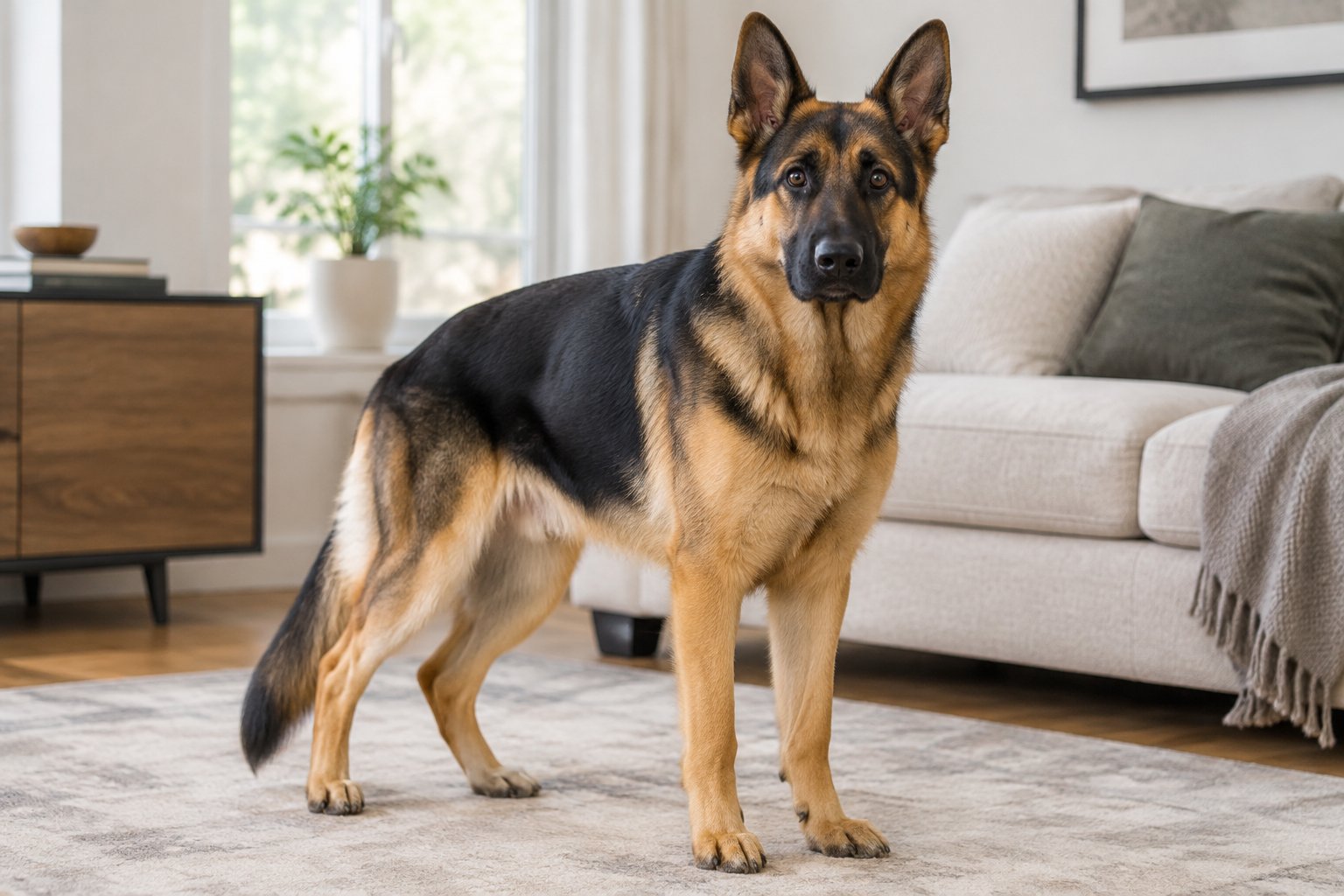
German Shepherds are smart, loyal working dogs, and puppies from top show or working lines can cost a lot. But the breed has some of the best-known health problems in the dog world, especially in its back end.
A VetCompass study of German Shepherds in the UK found that the most common causes of death were musculoskeletal disorders and inability to stand. Hip and elbow dysplasia are common, and degenerative myelopathy, a spinal cord disease that slowly paralyzes the back legs, has a DNA test because it shows up so often in the breed. Show lines bred with very sloped backs have drawn criticism from vets for worsening these problems. German Shepherds also get exocrine pancreatic insufficiency, a digestive disorder that needs lifelong enzyme supplements, plus allergies and ear infections. A well-bred shepherd is a fantastic dog, but price and health don’t always line up.
30. Boxer
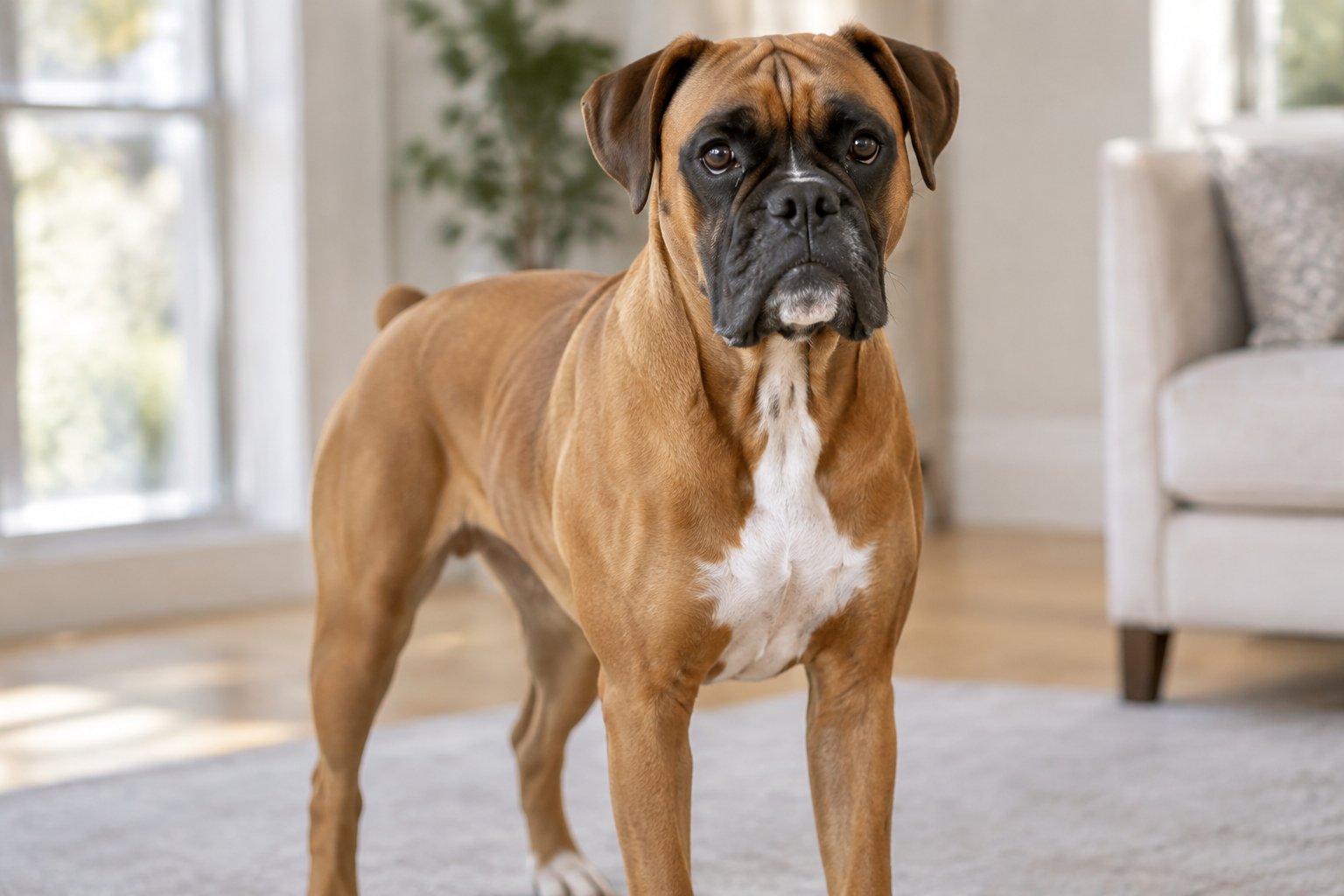
Boxers are playful, goofy family dogs, and well-bred puppies are not cheap. The breed, sadly, has one of the higher cancer rates in dogs. Boxers are especially prone to mast cell tumors, skin cancers that need surgery and sometimes chemotherapy, along with lymphoma and brain tumors.
The breed also has a heart disease named after it: boxer cardiomyopathy, also called arrhythmogenic right ventricular cardiomyopathy. It causes irregular heartbeats and can lead to fainting or sudden death, and vets recommend Holter monitoring to catch it. A heart defect called aortic stenosis appears in the breed too. Boxers have short muzzles, so they don’t handle heat well, and bloat and hip dysplasia round out the risks. The AKC gives a lifespan of 10 to 12 years. Boxers are wonderful with kids, but budget for vet care well beyond the purchase price.


